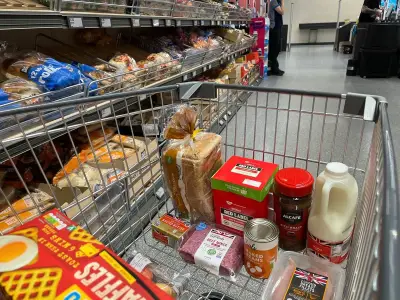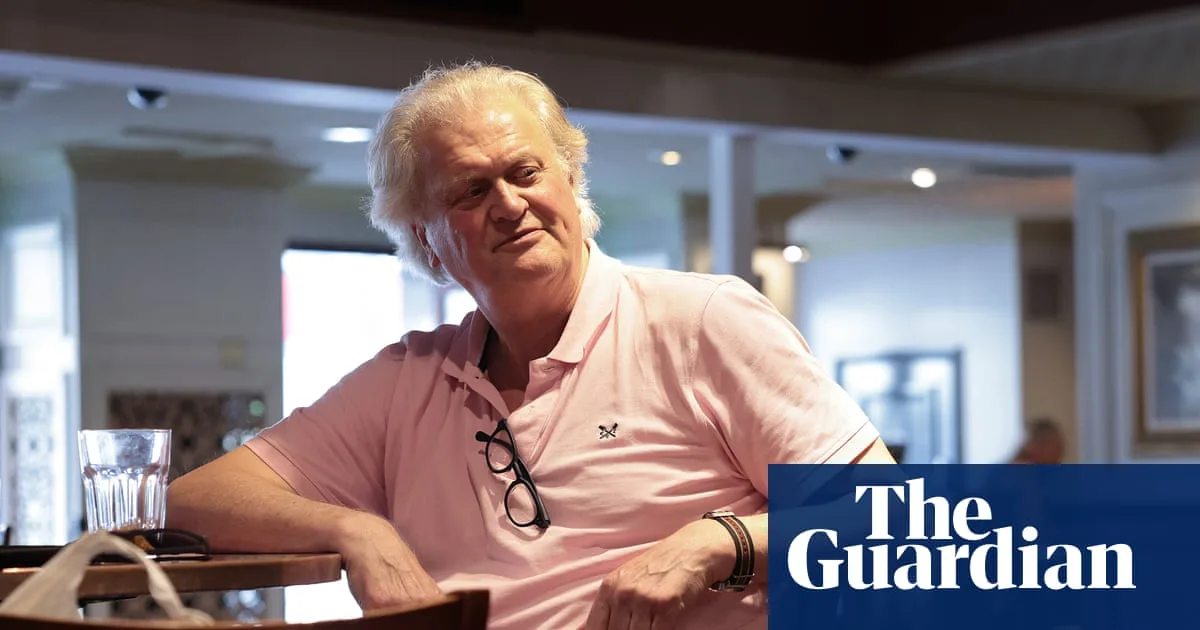
Tim Martin, the boss of pub chain Wetherspoons, has pledged to keep price increases to a 'minimum' after blaming a beefed-up packaging tax and rising energy bills for additional costs. The recently introduced 'extended producer responsibility' levy on packaging will triple the company's costs from the tax to £2.4 million a year, up from £800,000, Martin said.
Martin criticised the impact of 'non-commodity' energy costs—taxes or levies added to electricity bills—which he said would add £7 million a year from this month. He attributed the increase partly to a levy supporting nuclear power station construction and a subsidy for energy-intensive industries. According to consultancy Cornwall Insight, the nuclear regulated asset base (RAB) levy is expected to add just under £10 a year to consumer bills from early next year.
'This substantial increase in levies, applicable to most consumers and businesses, will inevitably add to inflation in the coming months,' Martin said. He added that non-commodity costs would account for 62% of Wetherspoon's overall electricity costs. The company, which operates 794 pubs, has already been hit by a £60 million annual cost increase due to rises in employers' national insurance contributions and the minimum wage.
Martin's comments came as JD Wetherspoon reported a 5.1% annual increase in sales at established pubs to £2.1 billion for the year to 27 July, and a 10.1% rise in pre-tax profits to £81.4 million. However, shares fell more than 5% in early trading as investors reacted to a slowdown in sales at the start of the new financial year. Comparable sales grew 3.7% in the nine weeks to 28 September, slower than the annual rate of 5.1%.
Richard Hunter, head of markets at Interactive Investor, said there was 'limited reason for cheer' in the outlook. While revenues had recovered and climbed 17% above pre-pandemic levels, profit progress had been 'largely obliterated' by 57.8% and 34.5% growth in energy and wage costs respectively compared with pre-pandemic levels. 'The economic backdrop in the UK provides little scope for optimism,' Hunter added.