
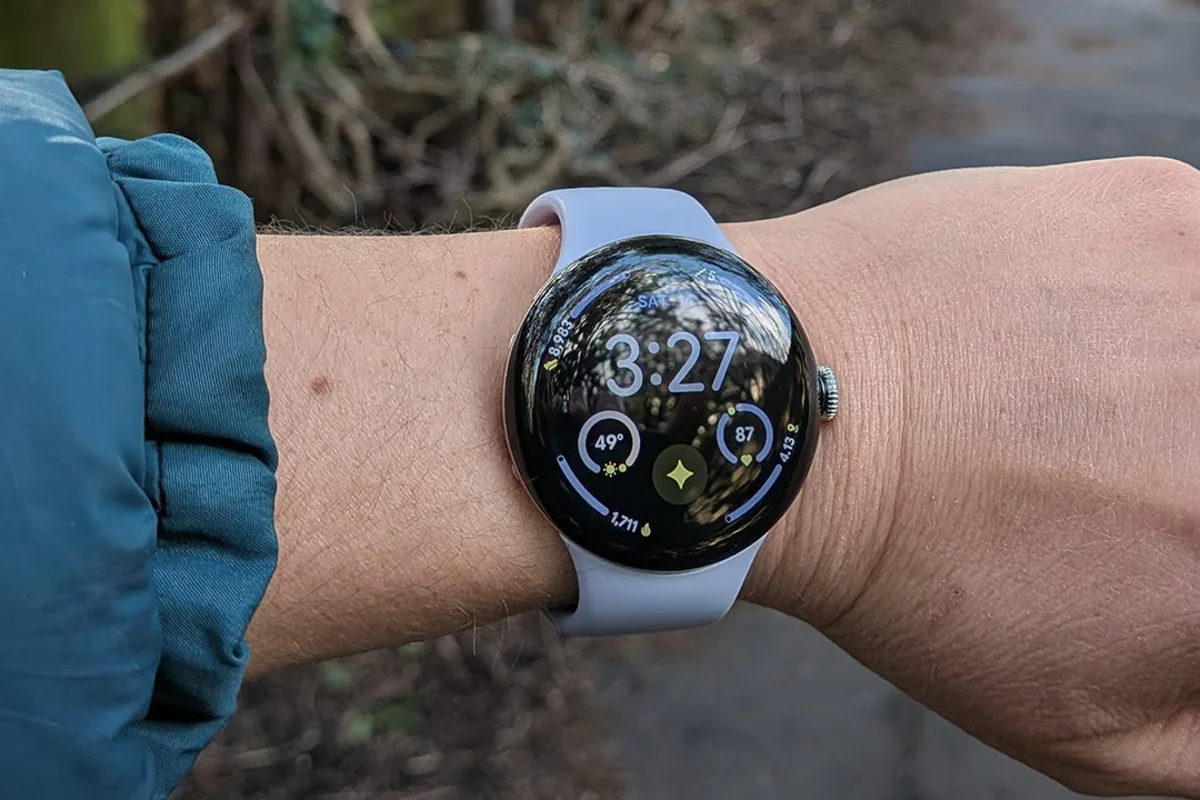
Fitness trackers have become essential tools for monitoring health and activity without the complexity of full-blown sports watches. According to a running coach who tested several models, the best options balance affordability with useful features like heart rate monitoring, sleep tracking, and step counting.
The Amazfit Active 3 Premium emerged as the top pick, offering excellent value at a moderate price. It includes offline maps, 4GB of storage, Bluetooth calling, and a torch function. While it felt slightly heavy on the wrist and had occasional touchscreen lag, its comprehensive health tracking and Zepp Coach training plans make it a strong everyday companion for those seeking lifestyle insights without premium smartwatch costs.
For budget-conscious users, the Sekonda Motion Go provides an impressive range of features for under £50. It tracks activity, heart rate, blood oxygen, sleep, and even displays WhatsApp messages. Its battery lasted longer than the advertised five to seven days, though heart rate readings were less reliable compared to a Garmin device. The single-button touchscreen interface can be confusing, but it remains a capable entry-level option.
The Polar Loop takes a minimalist approach with no display screen, focusing purely on basic activity tracking. Its simple band design is comfortable and unobtrusive, appealing to those who want straightforward data without distractions. It lacks mid-workout metrics but serves as a no-frills health monitor.
Ultimately, the best fitness tracker depends on individual needs: the Amazfit suits those wanting rich features, the Sekonda fits a tight budget, and the Polar Loop appeals to minimalists. All models offer reliable everyday tracking to help users stay active and informed about their health.




