A driving instructor has issued a crucial reminder to motorists about the rules of the road, focusing specifically on how to respond when a police officer signals to them while driving. Many drivers remain uncertain about these gestures, despite learning the Highway Code for their test.
Essential Police Arm Signals Explained
Theory test teacher Annie recently took to social media to clarify the meaning of common police arm signals, inviting her followers to share their answers in the comments. She emphasised that understanding these signals is vital for all drivers.
"Understanding police arm signals is essential for any driver," Annie stated in a TikTok clip. "These signals are designed to communicate important instructions and ensure safety on the road. Familiarising yourself with these signals can help prevent misunderstandings during critical driving situations."
Stop Signal: Immediate Halt Required
Annie began by explaining the "stop" signal, which involves an officer raising an arm vertically. This gesture indicates that drivers must stop immediately, often used at roadblocks or during traffic control operations.
Turn Right Signal: Clear Indication for Manoeuvres
Next, she covered the "turn right" signal, where an officer extends an arm horizontally with the elbow bent at a right angle and pointing upwards. This signal is crucial for informing surrounding vehicles and pedestrians about a driver's intended right turn.
Turn Left Signal: Maintaining Road Clarity
Similarly, the "turn left" signal involves an officer holding their arm straight out horizontally. Annie noted that this gesture is vital for maintaining clarity on the road, ensuring all parties understand the driver's next move.
Slow Down Signal: Proceed with Caution
Finally, Annie demonstrated the "slow down or proceed with caution" signal, where an officer moves an arm up and down. This indicates drivers should reduce their speed or proceed carefully, particularly in changing traffic conditions or hazardous situations.
Driver Reactions and Legal Obligations
Commenting on Annie's post, one user expressed gratitude: "Thank you so much for that - really helpful." Another added: "I didn't know, but now I do. Thank you."
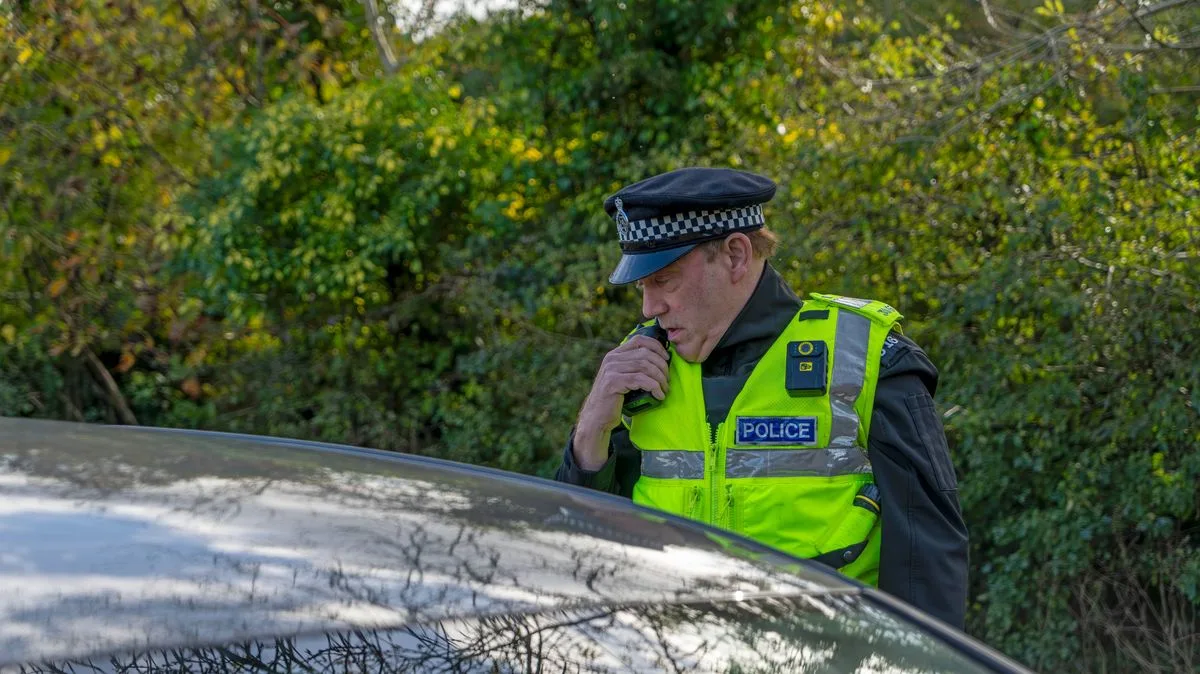
The article also highlights legal requirements when stopped by police. Officers can stop a vehicle for any reason, and drivers must pull over as soon as it is safe to do so. A government statement warns: "You're breaking the law if you do not stop."
If stopped, police can request to see a driving licence, insurance certificate, and MOT certificate. Drivers without these documents have seven days to present them at a police station. Failure to comply within this period is illegal.
Additionally, police can issue on-the-spot fixed penalty notices for minor offences, require breath tests in certain circumstances, and seize vehicles for offences like driving without insurance.