
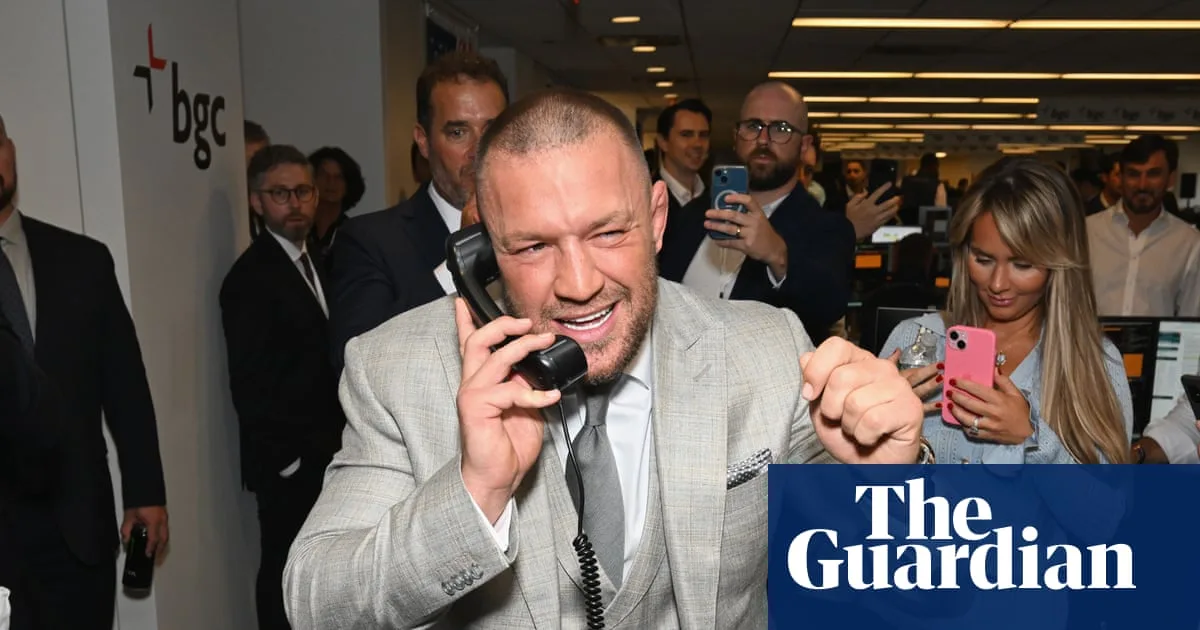
Conor McGregor has withdrawn from Ireland's presidential election, describing the nomination rules as a “straitjacket” that prevented a genuine democratic contest. The former mixed martial arts fighter announced his decision on X on Monday morning, saying it followed “careful reflection” and consultation with his family.
McGregor had pledged to curb immigration to protect “Irish culture” and return power “to the people”. He had hoped to use his social media following, which includes 10.7 million followers on X, along with endorsements from Elon Musk and tacit support from Donald Trump, to secure a place on the ballot for the 24 October election.
His bid faced significant obstacles, however. Candidates require nomination by either 20 members of parliament or four local authorities, a process McGregor claimed was “fixed” in favour of establishment figures. Opinion polls showed minimal backing, with one survey giving him just 7% support, and he had negligible support among legislators and councillors.
The 37-year-old insisted his abortive campaign had highlighted a “democratic deficit” in the constitution's eligibility rules. He said it had “magnified” the unfairness and had catalysed a movement of “Irish patriots” seeking to preserve the country's way of life. Last week, deputy prime minister Simon Harris said McGregor “represents the very worst of us”.
McGregor remains a polarising figure in Ireland, having lost an appeal in July over a civil court ruling that awarded damages to a woman who accused him of rape. Other celebrities who had expressed interest in running before withdrawing include former dancer Michael Flatley and musician Bob Geldof.
Three confirmed candidates remain: Heather Humphreys of Fine Gael, Jim Gavin of Fianna Fáil, and independent Catherine Connolly, backed by small left-wing parties. Sinn Féin has yet to decide whether to field its own candidate. A weekend poll put Humphreys on 22%, Gavin on 18%, and Connolly on 17%.




