NASA Moon Rocket Faces New Helium Issue, March Astronaut Launch at Risk
NASA Moon Rocket Hit by Helium Problem, March Launch in Jeopardy

NASA Moon Rocket Faces New Helium Issue, March Astronaut Launch at Risk

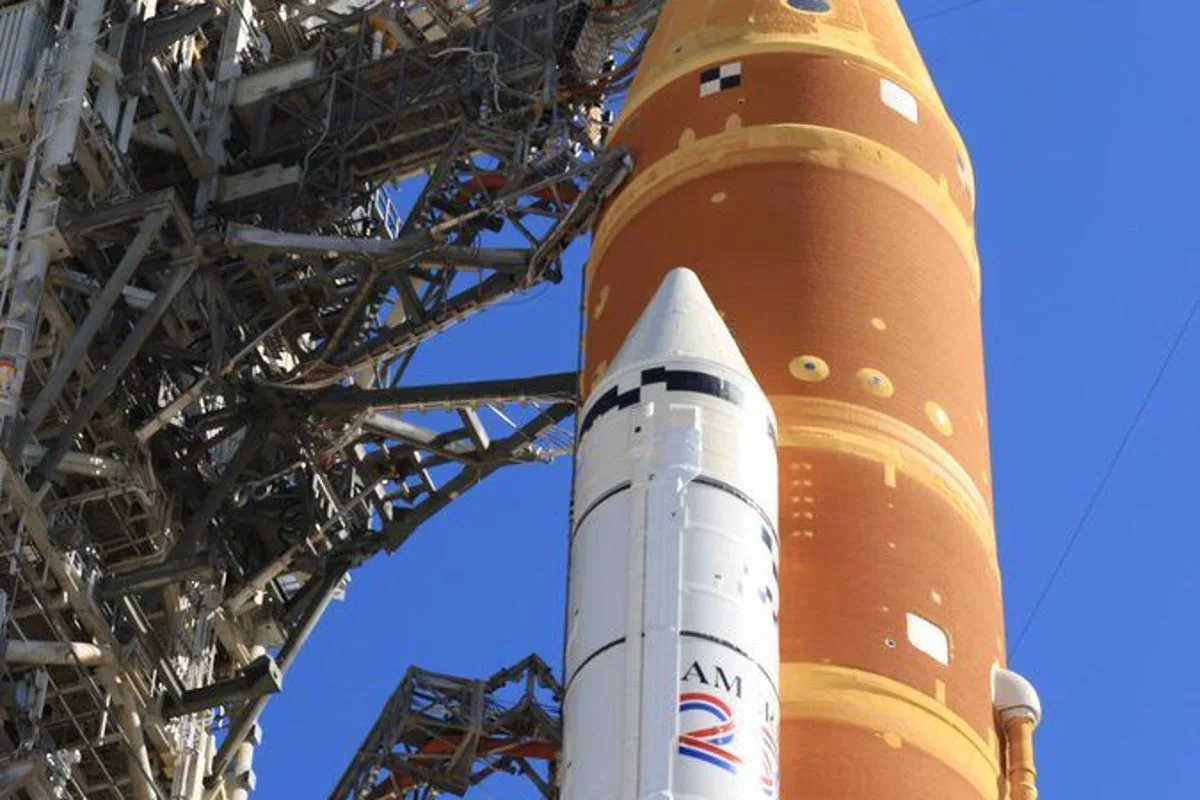
NASA's ambitious Artemis II moon mission has been hit by another significant technical setback, casting serious doubt over the planned March launch with astronauts on board. The space agency announced the latest problem on Saturday, revealing an interruption in the flow of helium to the rocket's upper stage overnight.

This development comes just one day after NASA officials had confidently targeted March 6 for what would be humanity's first crewed flight to the moon in more than half a century. The timing of this new issue has created considerable uncertainty around the highly anticipated mission timeline.

Critical Helium Flow Interruption

According to NASA's statement, the overnight incident involved a disruption in the helium supply to the Space Launch System rocket's upper stage. Solid helium flow is absolutely essential for launch operations, making this a particularly concerning development for mission managers.

The space agency is currently reviewing all available data and preparing contingency plans that include potentially returning the massive rocket to the hangar for repairs at Florida's Kennedy Space Center. Engineers are also evaluating whether the necessary work might be completed at the launch pad itself, with teams preparing for both possible scenarios.

March Launch Window in Jeopardy

NASA explicitly stated that this latest problem "will almost assuredly impact the March launch window," acknowledging the likely delay to what was supposed to be a historic return to lunar exploration with astronauts aboard.

This helium issue represents the latest in a series of challenges for the Artemis program. Previous hydrogen fuel leaks had already forced NASA to delay the Artemis II lunar fly-around mission by approximately one month. The agency had appeared to overcome those difficulties after a second fueling test on Thursday revealed minimal leaks, giving mission managers sufficient confidence to proceed with targeting the March 6 liftoff date.

Background of Technical Challenges

The Artemis II mission represents a crucial step in NASA's renewed lunar exploration program, following the successful uncrewed Artemis I test flight. The current technical difficulties highlight the complex engineering challenges involved in returning humans to the moon after decades of absence from deep space crewed missions.

NASA engineers and mission controllers are now working around the clock to assess the helium flow interruption and determine the most efficient path forward. The decision about whether to conduct repairs at the launch pad or return the rocket to the Vehicle Assembly Building will significantly impact the revised launch schedule.

Space industry observers note that such technical setbacks are not uncommon in complex space missions, particularly with new rocket systems like the Space Launch System. However, the timing of this latest issue—coming so close to the announced launch date—has created particular concern about the March timeline for what would be a landmark achievement in space exploration.