
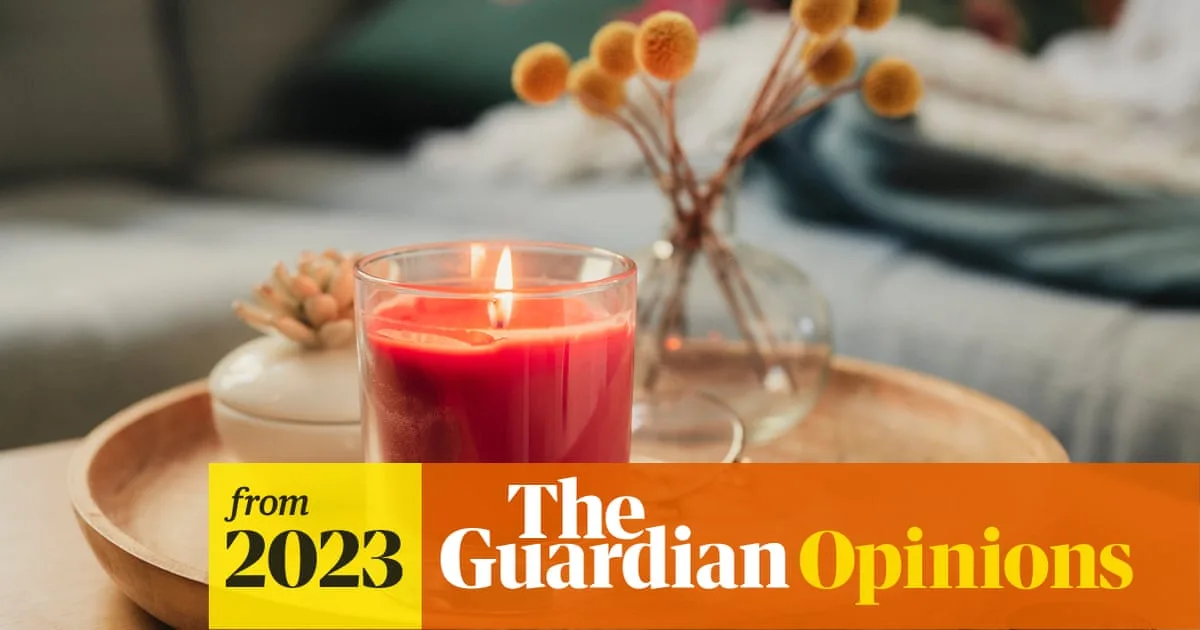
Britons are being urged to reconsider their use of scented candles, diffusers, and air fresheners, as new research highlights the potential harm these products can cause to indoor air quality. With people in high- and middle-income countries spending 85-90% of their time indoors, the average person inhales up to 20,000 litres of air daily. Exposure to indoor air pollutants can lead to eye irritation, respiratory issues, and headaches.
According to the US Environmental Protection Agency, indoor air pollutant levels are typically more than three times higher than outdoors. Sources include cooking, heating, and scented cleaning products, as well as candles, diffusers, and room sprays. These products release volatile organic compounds (VOCs) such as limonene, alpha-pinene, and formaldehyde, which can react with ozone to form toxic molecules.
Manufacturers are not legally required to disclose all chemicals used in air fresheners, and terms like “fragrance,” “perfume,” and “essential oil” can mask hundreds of undisclosed compounds. Even “green” or “natural” labels can be misleading, as essential oils can still generate pollutants like formaldehyde, a known carcinogen.
A study across the US, UK, Australia, and Sweden found that 32.2% of people report sensitivity to fragrances, which can trigger asthma and headaches. Experts advise using scented products in moderation and ventilating rooms to reduce risks.




