The BBC has found that it breached its editorial standards when it broadcast a racial slur during the Bafta awards ceremony in February. The corporation's executive complaints unit (ECU) ruled that the inclusion of the N-word was 'highly offensive' and had 'no editorial justification', though the breach was deemed unintentional.
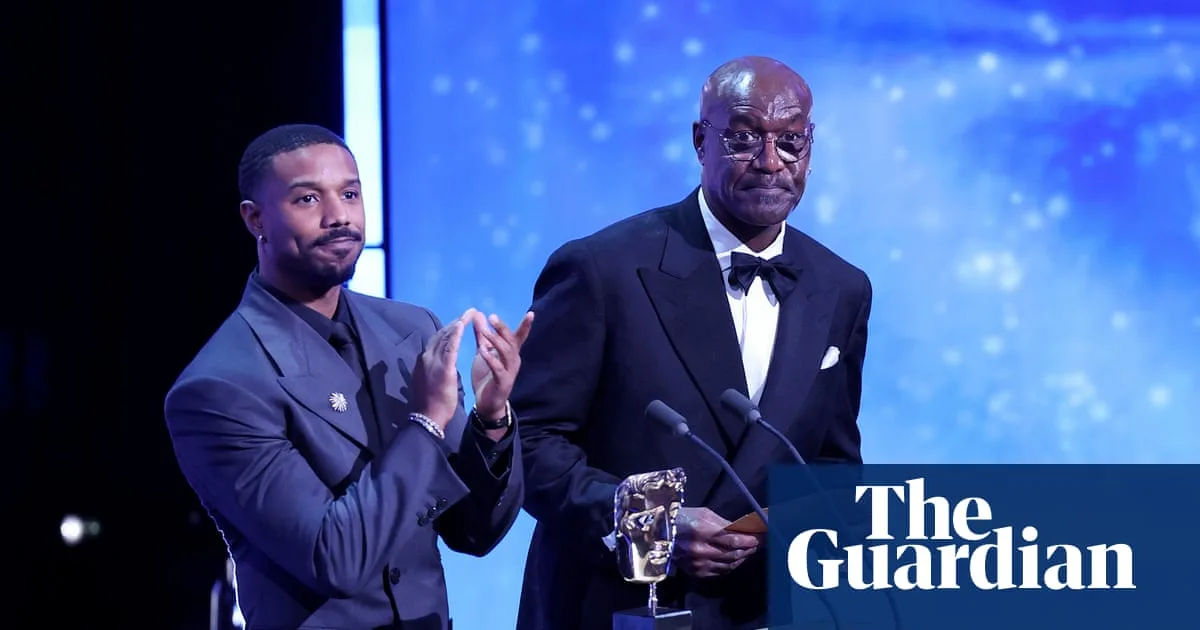
The slur was shouted by John Davidson, a Tourette syndrome campaigner, as actors Delroy Lindo and Michael B Jordan were presenting an award. The broadcast remained on BBC iPlayer overnight before being removed, which the ECU described as a 'serious mistake' that 'aggravated the offence'.
The ECU accepted that the production team monitoring the live feed did not hear the word because it was 'extremely indistinct'. However, the BBC received complaints during and shortly after the broadcast, indicating it was not entirely unintelligible. Another occurrence of the word ten minutes later was recognised and edited out immediately.

Kate Phillips, the BBC's chief content officer, apologised directly to those involved and acknowledged the hurt caused. She said the corporation must learn from its mistakes and strengthen its processes for event broadcasts.
The ECU also examined complaints about the editing of a speech containing the words 'free Palestine' from the acceptance speech of Akinola Davies Jr. It found that the decision was based on time constraints, not impartiality, and did not raise an editorial standards issue.
The BBC said it is strengthening pre-event risk assessments and reviewing its production setup for live events, as well as re-communicating the process for removing content from iPlayer.