
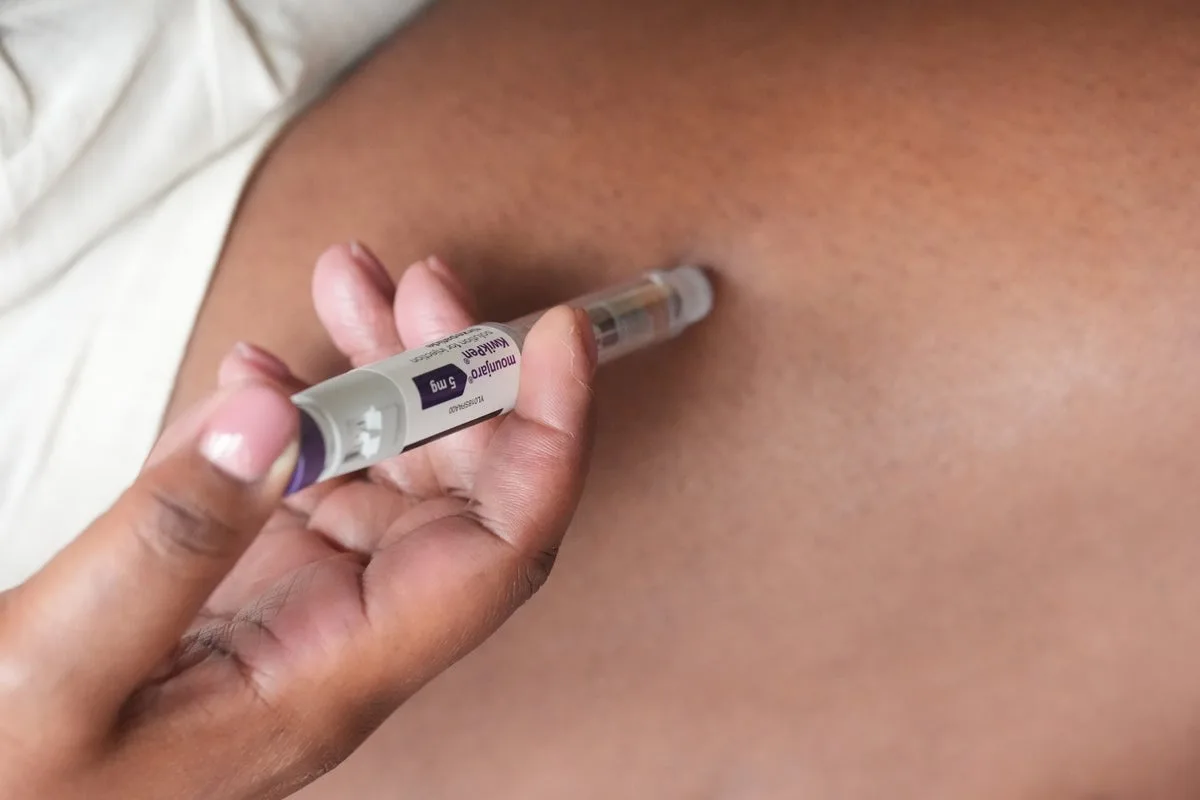
Weight loss jabs are transforming obesity treatment, but without access to affordable healthy food and ongoing support they could widen health inequalities in the UK, experts have warned. The injections, also known as GLP-1 receptor agonists, are taken by an estimated 2.4 million Britons and work by mimicking the natural hormone which regulates blood sugar, appetite and digestion.
Although drugs such as Wegovy and Mounjaro have transformed weight-loss treatment, researchers at Cambridge University and University College London (UCL) have argued that their long-term benefits depend on diet, exercise and healthcare support. “We have highlighted that obesity treatment is not just a medical issue, but a social and structural one. Without integrated dietary support and attention to food affordability, these medications could deepen existing health inequalities,” Dr Adrian Brown at UCL Medicine said.
The report, published in the journal Nature Medicine, warned that healthier diets are often more expensive, and on top of the cost of weight-loss jabs, are unaffordable for many. Dr Marie Spreckley from Cambridge University said: “The key question is not simply who can access these medications, but who can benefit from them in the long term. If access to healthy food, nutrition support and ongoing care is uneven, there is a risk that the benefits of these treatments will also be uneven.”
Researchers underline the danger of a growing “two-tier system” in obesity treatment, where some people can access medication alongside comprehensive support, while others face significant barriers to both. Because weight loss jabs not only cause rapid fat loss but lean muscle loss too, strength training to limit muscle loss as well as eating enough protein and other nutrients is advised. Side effects such as nausea and early satiety can also exacerbate this potential muscle loss and without appropriate dietary guidance and monitoring, reduced food intake may increase the risk of malnourishment.
Patients living in more deprived areas are put at increased risk because these areas often face greater barriers to healthcare and healthy food access, as well as a higher burden of obesity-related illness. Dr Cara Ruggiero at Cambridge University said: “Food insecurity remains a major reality in the UK effecting 12 per cent of UK households. Healthier foods tend to cost more, and we cannot ignore this critical context. Guidance that assumes everyone can afford and access healthy food risks being unrealistic and inequitable.”




