BAFTAs 2026 Opens with Controversial Incident Involving Racial Slur
The British Academy Film Awards (BAFTAs) in 2026 commenced under a cloud of controversy following an incident where a guest with Tourette's syndrome uttered a racial slur during the live broadcast. The event, held at the Royal Albert Hall in London, saw actors Delroy Lindo and Michael B. Jordan presenting the evening's first award when the offensive language was heard.
Details of the Incident and Guest Involved
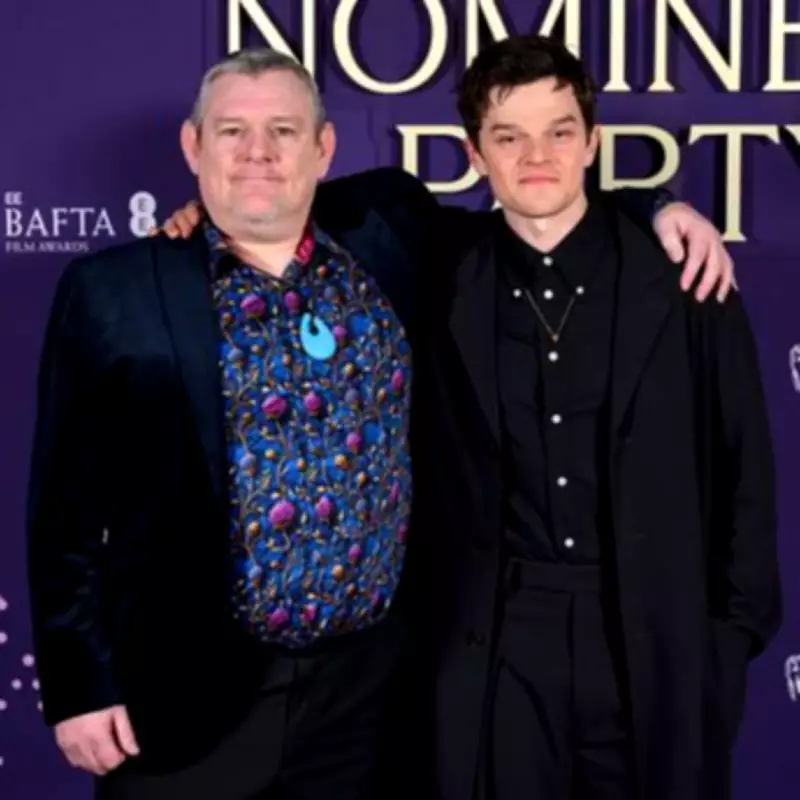
The guest in question was John Davidson, who attended the ceremony as the subject of the film I Swear, which was nominated for multiple awards. Davidson, who has Tourette's syndrome, was observed shouting intermittently throughout the night. At one point, he used the N-word while Lindo and Jordan were on stage, leading to immediate shock and concern among attendees and viewers.
Responses from Actors and the Film Industry
Robert Aramayo, who won the Best Actor award for his portrayal of John Davidson in I Swear, addressed the issue directly when questioned about the tics. He stated, "First of all, these are tics. He is ticking. We must understand that the perception of Tourette's is a shared responsibility. It is not about shouting obscenities or being abusive; it is Tourette's. They are involuntary tics. If this incident can foster a deeper understanding of Tourette's, and films contribute to that dialogue, then it is a remarkable outcome."

However, not all reactions were sympathetic. Actor Jamie Foxx criticized the comment, saying, "Out of all the words, you could've said Tourette's makes you say that... unacceptable," and added, "he meant that s***." This highlighted a divide in perspectives on how to handle such sensitive situations involving neurological conditions.
Official Statements from Broadcasters and Hosts
The BBC, which aired the ceremony, issued a formal apology following the event. A spokesperson explained, "Some viewers may have heard strong and offensive language during the BAFTA Film Awards 2026. This arose from involuntary verbal tics associated with Tourette syndrome and was not intentional. We apologise for any offence caused by the language heard."
Host Alan also commented on the incident during the show, telling the audience, "You may have noticed some strong language in the background. This can be part of how Tourette’s syndrome manifests for some individuals, as explored in the film. Thank you for your understanding and for helping create a respectful environment for everyone."
Broader Implications and Public Reaction
This incident has sparked a wider conversation about the representation of disabilities in media and the challenges of live broadcasting events where such unpredictable elements can occur. Many have called for increased awareness and education about Tourette's syndrome to prevent misunderstandings and promote empathy.
The controversy also raises questions about the responsibilities of award shows in managing sensitive content and ensuring inclusivity. As discussions continue, the film I Swear and its portrayal of Tourette's remain at the center of this debate, highlighting the power of cinema to both inform and provoke public discourse.