Public libraries across the state of Illinois will be required to stock emergency medications to reverse opioid overdoses from the start of the new year, following a series of near-fatal incidents on their premises.
A Lifesaving Legislative Response
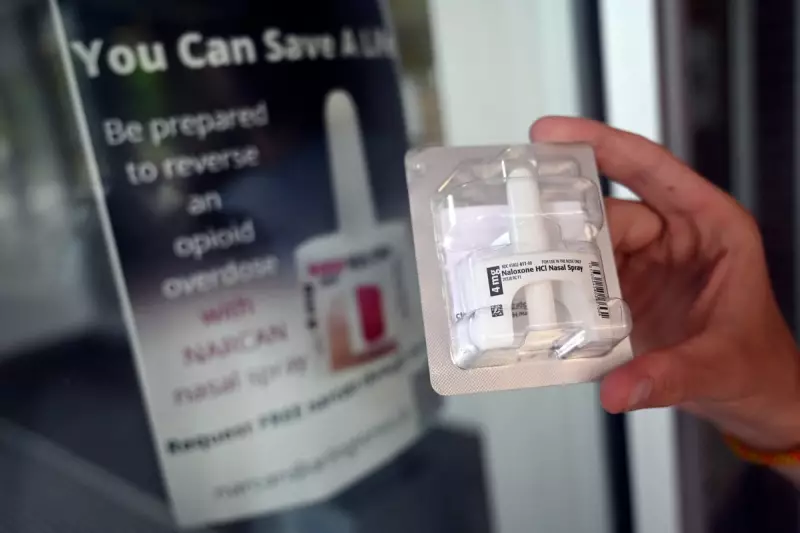
The new state law, which goes into effect on 1 January 2026, mandates that every public library in Illinois must keep opioid overdose reversal drugs such as naloxone or nalmefene on site. The legislation, sponsored by Democratic state Representative Anna Moeller, also permits trained library staff to administer the treatment if a patron is suspected of overdosing.
The Illinois Department of Public Health announced the measure earlier this month, highlighting it as a crucial step in addressing a growing public safety issue. Rob Simmons, the director of social services and public safety at the Oak Park Public Library, told the Chicago Tribune that opioid abuse among visitors is "a real challenge and an unfortunate reality." He estimated that roughly two to three people overdose at his library each year, often in the bathrooms.

Proven Effectiveness in Community Hubs
Libraries have increasingly found themselves on the frontline of the opioid epidemic. Simmons reported that staff at the Oak Park Public Library, located in a suburb west of Chicago, have already used naloxone to help save the lives of approximately 20 people. Their supplies are replenished several times a week due to demand.
"I think to have an intervention available on-site that can save lives is crucial," Simmons stated. This sentiment is echoed by Representative Moeller, who emphasised that libraries are public places frequented by many people, making them potential sites for such emergencies.
The nasal spray naloxone, commonly known by the brand name Narcan, works by rapidly blocking the effects of opioids on the nervous system. It can be administered without formal medical training, making it suitable for use in community settings.
State Support and Widespread Preparation
According to Moeller, the new law is not expected to impose a financial burden on libraries, as they can receive free opioid antagonists and training through state programmes. This proactive approach is already being adopted beyond Oak Park.
In Evanston, north of Chicago, the public library has kept naloxone sprays available for community use and has acquired a separate stash for staff to use in emergencies. Ellen Riggsbee, the library's marketing and communications manager, revealed that two-thirds of their staff have already been trained on how and when to use the medication.
"We know this is just a realistic part of a library’s work," Riggsbee said. "It’s a public library and we have to ensure the safety of everybody who comes in."
The move comes amid a national crisis driven largely by the synthetic opioid fentanyl. While the latest data from the US Centers for Disease Control and Prevention shows a recent dip, roughly 76,500 overdose deaths were reported nationwide in the 12 months leading to April 2025, underscoring the persistent severity of the epidemic.