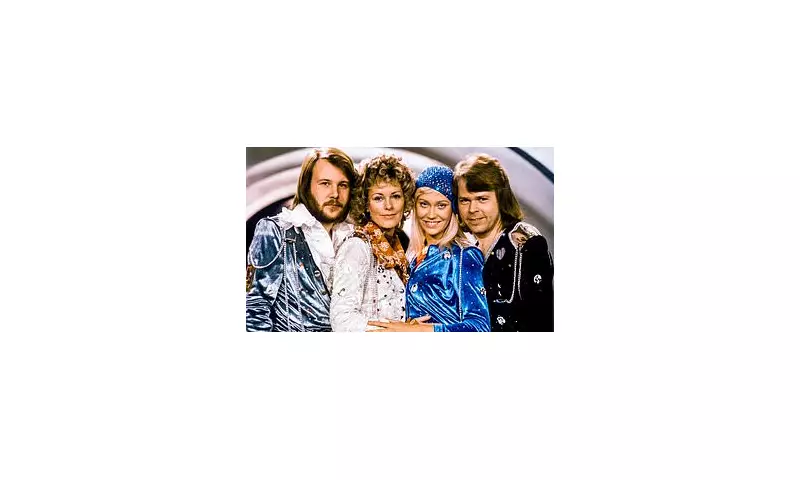
An iconic pop anthem from the 1970s has been found to offer a surprising health benefit, with scientists suggesting that dancing to Abba's 'Dancing Queen' could be particularly good for your heart.
The Perfect Rhythm for Your Heart
Researchers from Yan'an University in China conducted a study to understand how dancing to music of different tempos affects heart rate variability (HRV). HRV measures the variation in time between each heartbeat, and a higher variability is a key indicator of good cardiac fitness and resilience. Low HRV is linked to an increased risk of cardiac events.
The team monitored 160 students, dividing them into three groups. Each group danced to a different tempo: fast tracks at 140 beats per minute (bpm), medium-paced songs at 100bpm, and slower tunes at 60bpm. After several five-minute dance sessions, the scientists examined the changes in each participant's HRV.

Why 100bpm Hits the Sweet Spot
The results, published in the Journal of Manipulative and Physiological Therapeutics, were clear. The group dancing to the 100bpm music, which includes Abba's 1976 chart-topper 'Dancing Queen', showed a significantly larger improvement in heart rate variability compared to those dancing to faster or slower songs.
This suggests that the medium tempo provides an optimal level of exertion for cardiovascular benefit without overstraining the heart. In contrast, the study indicated that excessively fast rhythms, like Michael Jackson's 'Beat It' or Coldplay's 'Viva La Vida' (both around 140bpm), 'may raise the risk of post-exercise cardiac events'.
Similarly, slower classics such as Neil Diamond's 'Sweet Caroline' (approximately 60bpm) did not produce the same beneficial HRV effect. The researchers concluded that to maximise benefit and minimise risk, 'dance rhythm should not exceed 100bpm'.
A Timeless Hit with New Relevance
The findings add a new layer of appreciation for 'Dancing Queen', a song that has enjoyed enduring popularity. It spent six weeks at number one in the UK upon its release, was famously performed by Meryl Streep in the film Mamma Mia!, and has been streamed nearly two billion times globally.
This research transforms the track from a pure pop delight into a potential tool for heart health, offering a scientifically-backed reason to turn up the volume and dance to its quintessential 100bpm beat.