
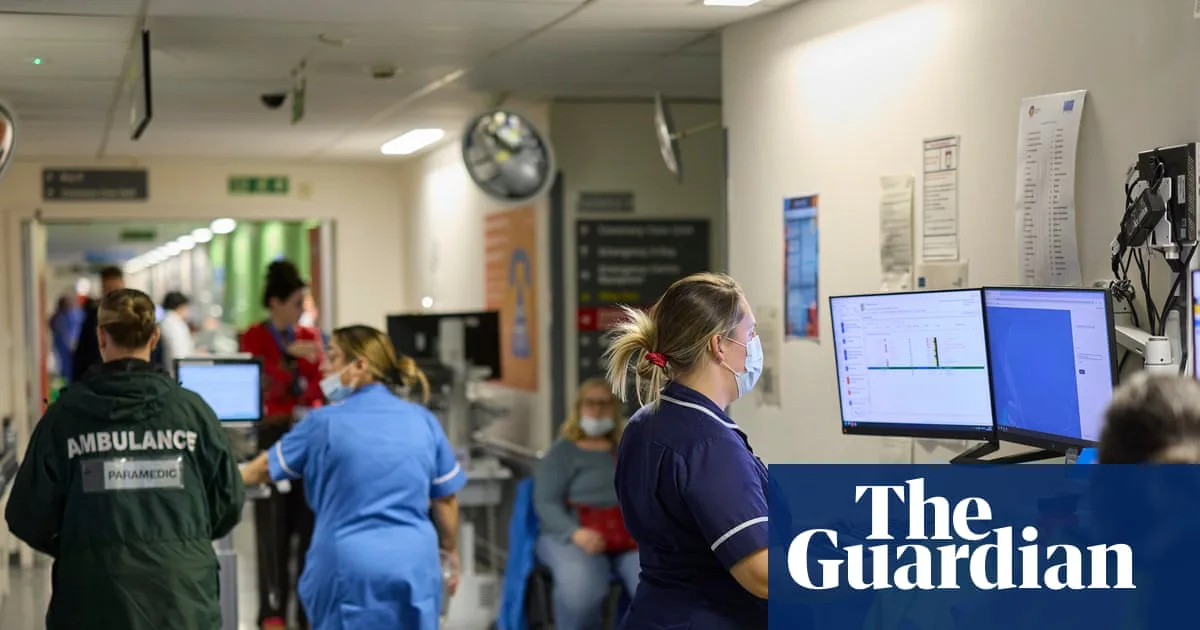
The UK Health Security Agency (UKHSA) is urging people to stay home if they have flu or Covid symptoms over Christmas, amid fears of a second surge in the New Year. Flu levels appear to be plateauing, but experts warn it is too early to confirm a peak.
NHS data shows an average of 3,140 flu patients were in hospital daily last week, an 18% increase from the previous week and significantly higher than the 2,629 at the same time last year. However, regional variations show a 4% drop in the North West, but rises of 39% in the East of England and 40% in the South West.
Resident doctors in England are striking for five days over pay, adding pressure to the system. NHS England's national medical director, Prof Meghana Pandit, said the NHS is "nowhere near out of the woods yet" and urged the public to continue seeking care as normal.
Critical care beds were occupied by 128 flu patients last week, up from 106. Norovirus-like symptoms also increased, with 427 beds filled daily, up 21%. Hospital admission rates for flu plateaued at 10.3 per 100,000, with the highest rates among those over 85 (64.6 per 100,000) and children under five (27.3 per 100,000).
Dr Alex Allen of UKHSA said flu is unpredictable and could rebound in the New Year, urging preventive measures. Health Secretary Wes Streeting highlighted the strain on the NHS and criticised the British Medical Association for strike action at a critical time, but praised NHS staff for managing under pressure.




