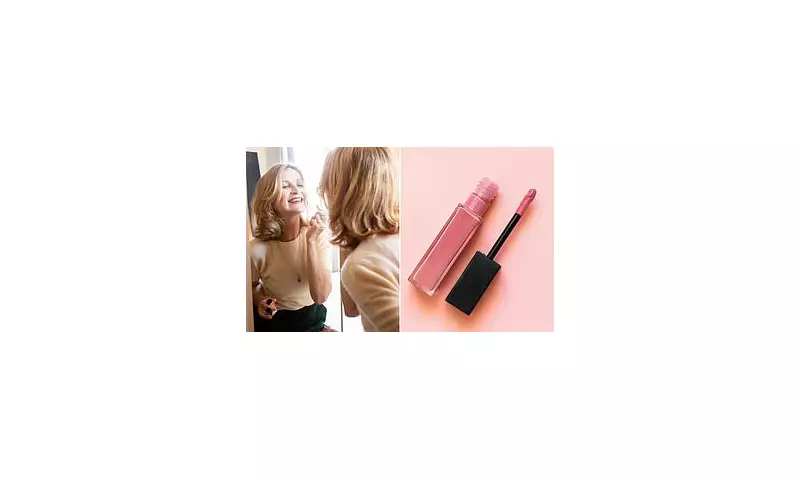
A new scientific study suggests that a simple daily ritual—applying makeup—could be a powerful tool for improving both psychological and physical health in later life. Research indicates that older women who regularly use cosmetics report better mental wellbeing and demonstrate superior physical fitness compared to those who rarely do.
The Science Behind the Lipstick Effect
Scientists from Kyoto Tachibana University in Japan set out to investigate the tangible effects of makeup on individuals aged 65 and over. Their study, involving 295 women, meticulously compared those who were regular makeup users with those who were not. Participants detailed their cosmetic habits and frequency before undergoing a series of assessments.
The research, published in the journal Healthcare, found that a significant majority—72 per cent—of the women regularly wore makeup, with foundation, lipstick, eye shadow, and blush being the most common products. This group consistently outperformed their peers in key areas.

Measurable Benefits for Mind and Body
The team conducted separate tests to gauge critical health indicators. They assessed grip strength, a recognised measure of frailty, and balance, by timing how long a participant could stand on one leg. The results were striking.
Women who regularly applied makeup scored significantly higher on mood assessments, showed greater grip strength, and could maintain their balance for longer. The researchers propose that the act of applying makeup boosts confidence, which in turn encourages greater social and physical activity. Improved balance is particularly vital, as it can reduce the risk of debilitating falls and hip fractures in older age.
More Than Skin Deep: The Psychological Pleasure
The study authors explained that the benefits extend beyond mere appearance. "Putting on make-up is a meaningful activity that may promote social participation among older women," they stated. "It stimulates the senses of touch, smell and sight, leading to psychological pleasure."
They noted that specific products, namely lipstick and eyebrow products, were particularly associated with better psychological function and dynamic balance. This holistic improvement could contribute to greater physical independence, allowing women to maintain an active lifestyle for longer.
This research offers a fresh perspective on personal care, framing it as a potential component of healthy ageing. In the UK, where surveys suggest women spend an average of around £900 a year on makeup alone, these findings highlight an investment that may yield unexpected dividends for long-term wellbeing.