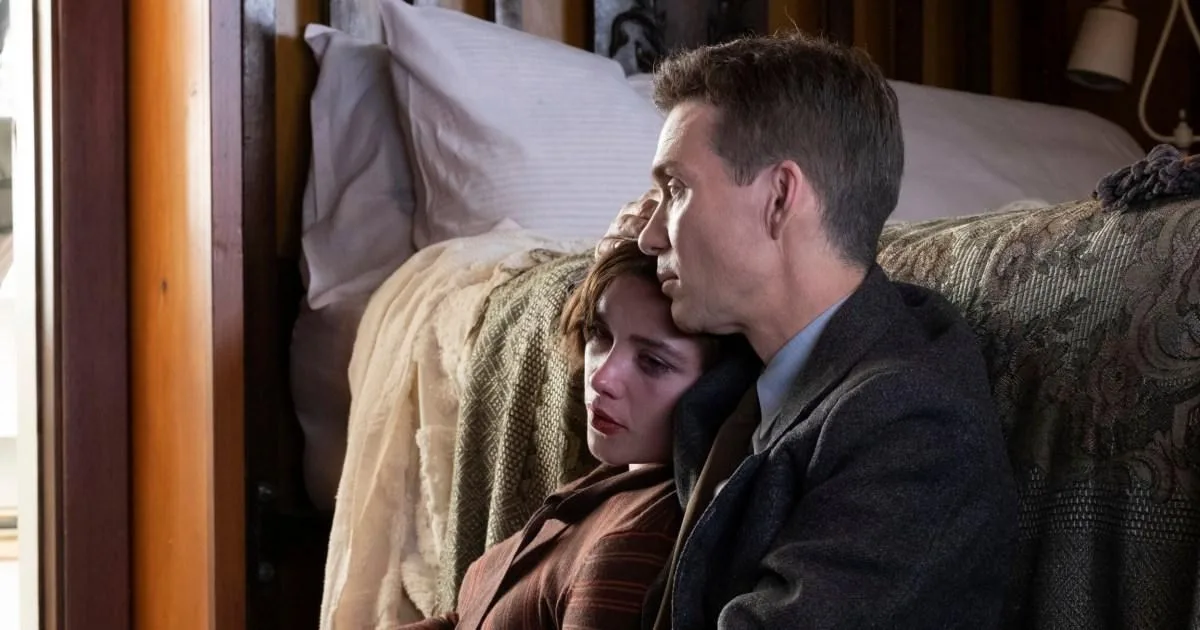
A Channel 4 drama has reignited scrutiny of the water industry, recounting the case of an eight-year-old girl who died after contracting E coli from sewage-polluted seawater. The programme, 'Dirty Business', broadcast on Monday, charts what it portrays as decades of corporate failure since privatisation.
In 1999, Heather Maughan fell ill two weeks after playing in the sea at Dawlish Warren in Devon. She developed E coli O157, a bug found in raw sewage, and later suffered kidney failure and brain damage. Her parents agreed to switch off her life-support machine. An inquest returned a verdict of misadventure, with the coroner calling for action to tackle beach sewage pollution.
The industry was privatised in 1989 under Margaret Thatcher, with promises of greater investment and efficiency. However, today it is saddled with £60bn in debt, has paid £78bn in dividends, and sewage pollution is at record levels. Ownership now includes a mix of private equity, hedge funds and sovereign wealth funds. While an EU directive brought full sewage treatment around the coastline, rivers were left out of the cleanup and continue to receive raw sewage.

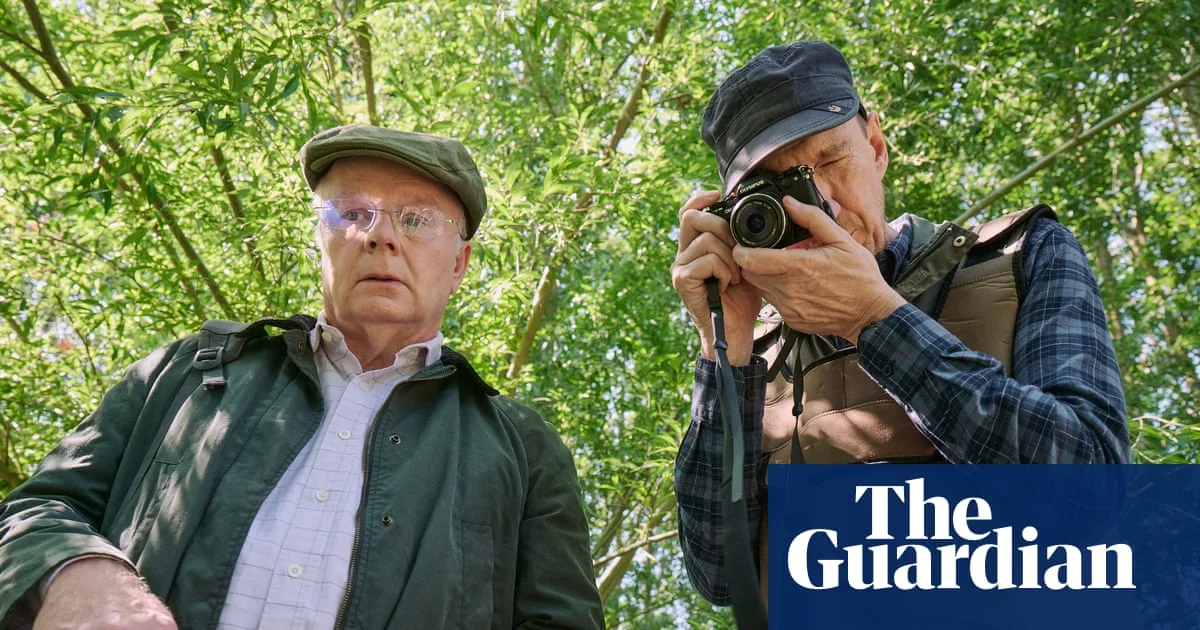
The drama focuses on two campaigners, Peter Hammond and Ash Smith, who investigated Thames Water. Their research suggested illegal sewage dumping was at least ten times higher than regulators believed. Thames Water, fined £104m last year for dumping sewage, now teeters on the edge of financial collapse. The pair have called for the company to be placed into special administration, a form of temporary public control.
The Labour government has so far resisted such a move, with a draft white paper proposing to rely on private investment to resolve the crisis. Ministers are reported to be wary of discouraging private capital. The drama thus highlights the ongoing tension between public health concerns and the industry's financial structure.