William Basinski and Anohni have recalled the creation of The Disintegration Loops, a piece of music that literally falls apart, and how it became inextricably linked with the 9/11 attacks. In the summer of 2001, Basinski, an experimental composer, decided to digitise recordings he had made in the early 1980s. As the tapes played on a loop, he noticed the music was gradually degrading as the iron oxide particles fell off the tape. Over two days, he recorded the sound as it collapsed over 20 to 60 minutes.
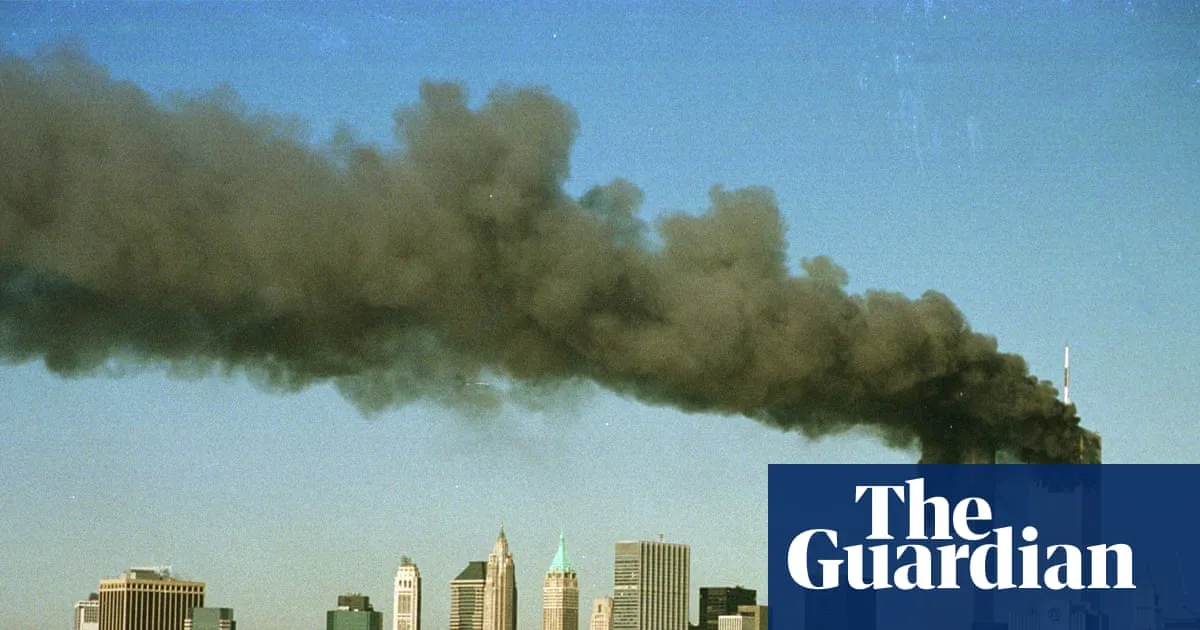
Two months later, on 11 September, Basinski watched the twin towers burn and collapse from the roof of his home in Williamsburg, New York. He played the recordings, which he named The Disintegration Loops, and realised the music had become an elegy. 'Everything changed that day,' he said. 'The world changed. And the music changed.'
Anohni, who was a frequent performer at Basinski's avant-garde space Arcadia, described the moment as feeling biblical. 'On 9/11, I remember looking with you at the view from the rooftop. The Disintegration Loops was blasting out on full volume. It was like everything got welded together suddenly by the trauma of that moment,' she said.

The Disintegration Loops, first released in 2002, has since become one of the most important musical recordings of the 21st century. Anohni's career also took off; she won the Mercury Prize in 2005 for I Am a Bird Now. Both artists credit the other with helping to spread the word about the masterpiece.