Health officials in Sydney have issued an urgent public health warning to millions of residents after three people were hospitalised with Legionnaires' disease in the city's central business district in the lead-up to Christmas.
Details of the CBD Outbreak
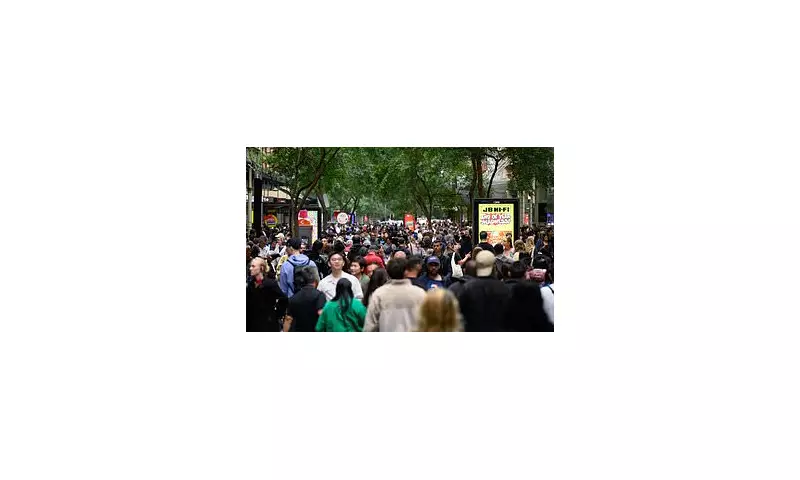
The three individuals, who are not known to each other, were infected between 9 and 18 December and required hospital treatment. NSW Health has revealed that all three spent time in the vicinity of Clarence Street. Authorities are urging anyone who has visited this area since 9 December to be vigilant for symptoms of the potentially fatal lung infection.
Legionnaires' disease is caused by inhaling airborne water droplets contaminated with Legionella bacteria. Mark Ferson, acting director of the South Eastern Sydney Local Health District, explained the transmission risk: "People are exposed if contaminated water particles from a cooling system are in the air and then breathed in." The disease is not contagious between people.

Source Investigation and Public Advice
NSW Health and the City of Sydney Council are actively working to trace the precise source of the infection. They have not ruled out the possibility that the cases are linked. Outbreaks often originate from environmental sources like the cooling towers on top of large buildings, which can become contaminated.
Symptoms can take up to ten days to develop after exposure. The public is advised to watch for the following signs:
- Fever and chills
- Cough and shortness of breath
- Severe pneumonia
Those at greatest risk include the elderly, smokers, and people with underlying lung conditions or other serious health problems.
A History of Recent Outbreaks
This alert follows two deadly outbreaks in Sydney earlier this year. In March, twelve people fell ill after visiting the CBD. One man in his 50s with pre-existing health conditions later died in hospital. In a separate outbreak in July in Potts Point, an elderly man in his 80s died and six others were hospitalised.
Authorities stress that while Legionnaires' disease can be fatal if left untreated, prompt medical attention is crucial. Anyone with concerns about potential symptoms is urged to seek medical advice immediately.