Energy Crisis Cost Scottish Economy £11 Billion, Study Reveals
A comprehensive new report has calculated that the recent energy crisis inflicted a staggering £11 billion cost on Scotland's economy, prompting urgent calls to end the nation's reliance on volatile international fossil fuel markets.
Household and Business Impacts Detailed
The analysis by the Energy & Climate Intelligence Unit (ECIU) examined the direct additional expenses borne by businesses, households, and other energy consumers from 2021 to 2024. This period saw wholesale gas prices skyrocket following Russia's invasion of Ukraine, while road fuel prices surged due to spikes in oil markets.
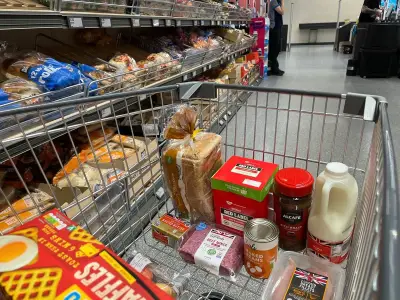
Scottish households faced an extra £5.8 billion in excess energy costs during this crisis. According to the ECIU, this equates to approximately £2,260 per household, representing about 70% of a typical Scot's annual expenditure on food and non-alcoholic drinks.
The report highlighted significant disparities, finding that residents in areas with the lowest average household incomes spent a greater proportion of their income on energy compared to those in wealthier regions.
Regional and Sectoral Breakdown
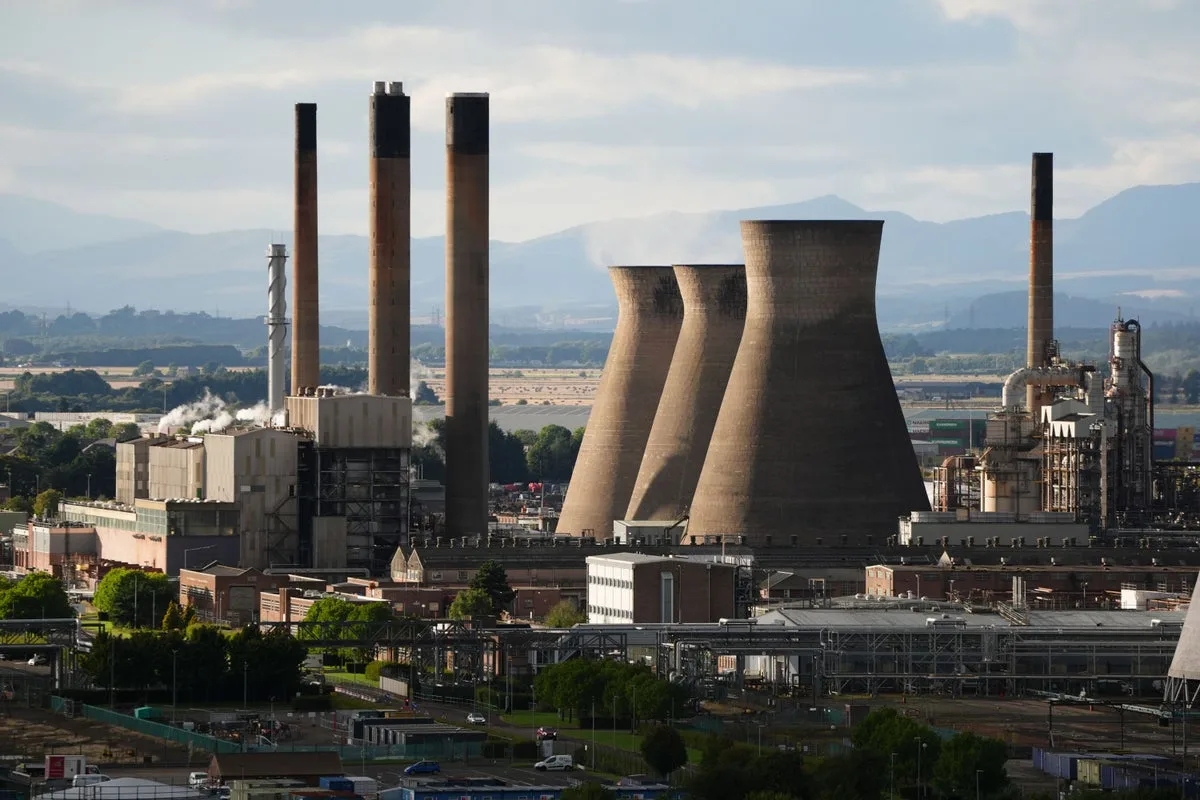
Industry across Scotland absorbed additional costs totaling £1.8 billion, with the most substantial impacts concentrated in specific regions:
- Glasgow: £800 million
- Edinburgh: £740 million
- Highlands and Islands: £560 million
- Aberdeen: £390 million
Meanwhile, commercial, agricultural, and public sector organizations had to contend with an extra £2.6 billion in energy-related expenses. The remaining £0.8 billion was attributed to non-domestic road fuels.
Vulnerability to Global Markets
The ECIU emphasized that these findings expose Scotland's profound vulnerability to global oil and gas market fluctuations. Many energy-intensive industries continue to face elevated industrial energy costs as a result.
The report referenced previous analyses indicating that the United Kingdom suffers from some of the highest energy costs in Europe, largely due to its relative dependence on gas. International Monetary Fund research suggested that the UK's reliance on imported fossil fuels left it as the worst-affected economy in Western Europe following the price spikes triggered by Russia's invasion of Ukraine.
The ECIU stated: "Our findings show a significant burden placed on Scottish consumers during the crisis, highlighting the risks for all energy consumers of reliance on volatile fossil fuel markets."
Slow Progress on Energy Transition
The report noted that while some progress has been made in reducing gas demand through increased renewable energy deployment during the crisis, advancement remains sluggish in shifting away from gas boilers for heating and decreasing dependence on oil and gas within the industrial sector.
"In an increasingly uncertain world, this raises questions about whether Scotland is prepared for another crisis," the report cautioned.
Expert and Political Responses
Professor Tavis Potts, co-coordinator at the Just Transition Lab at the University of Aberdeen, commented: "Anybody who has paid a gas bill over the past few years – businesses and families alike – has felt the impacts of Scotland's reliance on oil and gas."
He emphasized that drilling for additional North Sea gas would not resolve the underlying problem or reduce bills for consumers and industry, as output levels are too low to influence prices determined in global markets.
"To shield energy consumers from future energy price shocks in an increasingly uncertain world, lowering demand through renewables and other net zero technologies is key," Professor Potts asserted.
Mercedes Villalba, Labour MSP for the North East of Scotland, described the findings as "damning" and stated: "They reveal the immense cost of our continued dependence on international fossil fuels for households across Scotland."
Government Perspectives and Initiatives
Minister for Energy Consumers Martin McCluskey responded: "This report shows exactly why we need to push ahead with our clean power mission to bring down the cost of energy and guarantee home grown, clean power for our country."
He highlighted recent auctions securing enough homegrown clean energy to power the equivalent of 16 million homes, alongside a £15 billion-funded Warm Homes Plan designed to reduce heating costs and improve energy security.
Scottish Government Energy Secretary Gillian Martin noted: "Fundamentally, energy prices remain high compared to pre-2022 levels, and despite UK Government promises to bring them down."
She pointed out that 31% of Scotland's population currently lives in fuel poverty, advocating for greater autonomy through independence to better manage the nation's energy resources.
Martin outlined proposals for a social tariff providing automatic, targeted discounts on energy bills, which she claimed would benefit 660,000 Scottish households by an average of £700 annually. She also detailed current investments including £300 million for improving home heating and energy efficiency, plus over £197 million in Winter Heating Benefits supporting more than 1.5 million households this winter.