Canada's Olympic Hockey Heartbreak: Did Three-on-Three Overtime Spoil the Show?
Canada's Olympic Hockey Heartbreak: Overtime Format Under Fire

Canada's Olympic Hockey Heartbreak: Did Three-on-Three Overtime Spoil the Show?

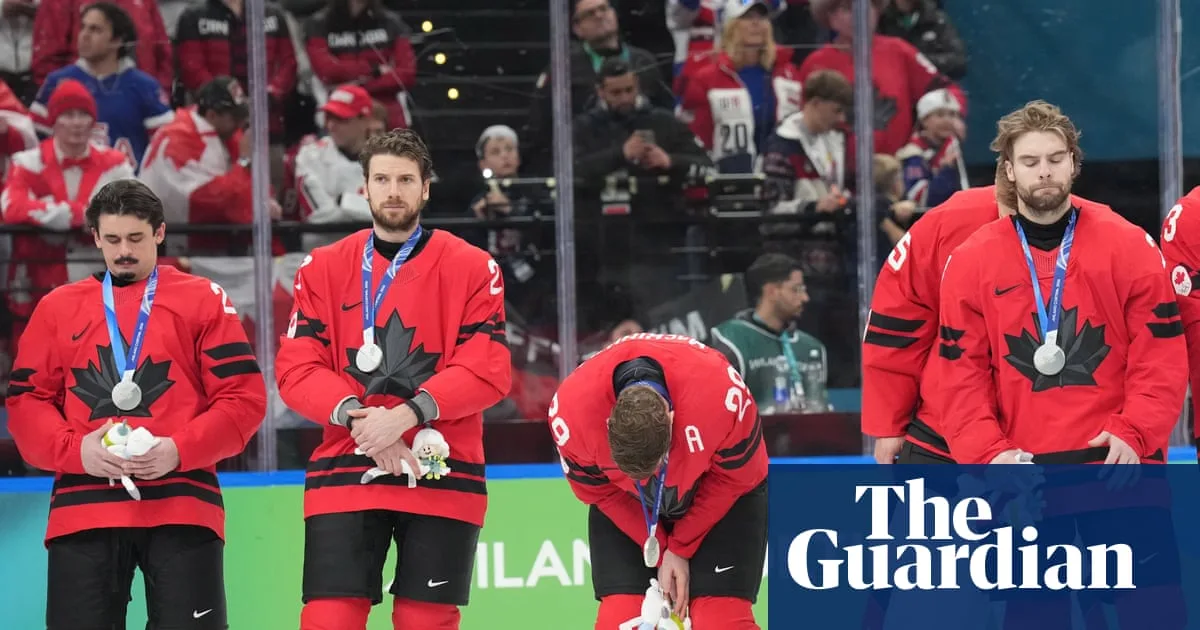
Two Olympic finals against the United States, two strong performances, and two sudden-death losses. Canada is left reeling, questioning whether the three-on-three overtime format has tarnished the pinnacle of international hockey.

Forty-six years after the Miracle on Ice, the US men and women celebrated with a pair of huge assists from what some are calling the Misrule on Ice. Following an overtime winner by Megan Keller that broke stubborn Canadian resistance in the women's final, another 2-1 win for the US against their neighbours in Milan handed the men their first gold since the famous triumph over the Soviet Union at Lake Placid in 1980.

A Format Under Scrutiny

At the end of regulation during two mesmerizing knife-edge finals, the rules decreed: enough high-quality five-on-five hockey. Let's end the drama quickly by forcing teams to play a different format to decide the most important contests in international hockey. This shift has sparked intense debate among fans, players, and analysts.

Wide Pickt banner — collaborative shopping lists app for Telegram, phone mockup with grocery list

On one hand, Canada's men have only themselves to blame for failing to capitalize on their dominance. They outshot the US 42-28, but nerves crept in, most notably when Nathan MacKinnon pushed the puck wide of an open net in the third period. However, overtime gave to Canada before it took away, with Mitch Marner scoring an extra-frame winner in the quarter-finals.

Three of the men's quarter-finals went to overtime, including the US's victory over Sweden, and Switzerland's women took bronze with an overtime win over Sweden. This prevalence raises questions about the format's suitability for high-stakes matches.

Television-Driven Decisions

Savagely abrupt endings make for great TV: cut to overjoyed winners, cut to stunned losers, and gorging on contrasting emotional overloads. It forces everyone to wait for a passage of play that could end within seconds, as it did on Sunday when Jack Hughes scored after 101 seconds.

Canada coach Jon Cooper did not blame the overtime regulations for the loss, noting players knew the rules, but he criticized the spectacle. "You take four players off the ice, now hockey's not hockey any more. There's a reason overtime and shootouts are in play – it's all TV-driven to end games," Cooper told reporters. He highlighted that this format is not used in the Stanley Cup Final or playoffs, where five-on-five overtime prevails.

An Edmonton Journal writer fumed after the women's final, "Whoever dreamed up playing three-on-three in overtime to decide a gold medal hockey game in the Olympics should be stacked into a bobsleigh and pushed down a ski jump." Virtually no one seems to think it's a good idea, with critics arguing it debases the contest into quasi-random pinball.

Fairness and Tradition at Stake

Unlike soccer, hockey is inherently exciting and not known for defensive play where teams need incentivizing to attack. The risk of an interminable match is low compared to sports like baseball and tennis, which have tinkered with rules to produce winners sooner.

Maybe there is a case for three-on-three over a guaranteed period, or sudden death with full player complements, but combining both feels extreme. The NHL and IIHF eliminated shootouts for gold medal games in favor of playing until a goal is scored, but are five-on-five shootouts any less capricious? Goalie Jordan Binnington ruefully called it a "50-50 battle."

When overtime is settled by a single shot after minimal play, there isn't enough context to conclude the outcome is fair. It leaves neutrals feeling cheated, as the format divorces from the deadlocked hour that preceded it. By rebooting the match so radically, Canada's superiority in regulation was rendered irrelevant.

"You be the judge of who was the better team today," MacKinnon told reporters, seemingly treating the result with disdain. Three-on-three is more defensible in round-robin games or NHL regular seasons, but for the biggest single match, it feels out of place. Notably, NHL playoffs use five-on-five overtime.

Pickt after-article banner — collaborative shopping lists app with family illustration

Seeking a Compromise

When Canada beat the US in the 2010 final with an overtime Sidney Crosby goal, the format was four-on-four, a more reasonable compromise. Alternatives could include five or ten minutes of five-on-five, then switching to four-on-four, and finally three-on-three if necessary.

Regardless, the debate distracts from what the aftermath of a massive hockey match should really be about: complaining about the officiating. As the dust settles, the hockey world must ponder whether tradition and fairness should outweigh television ratings in the sport's most cherished events.