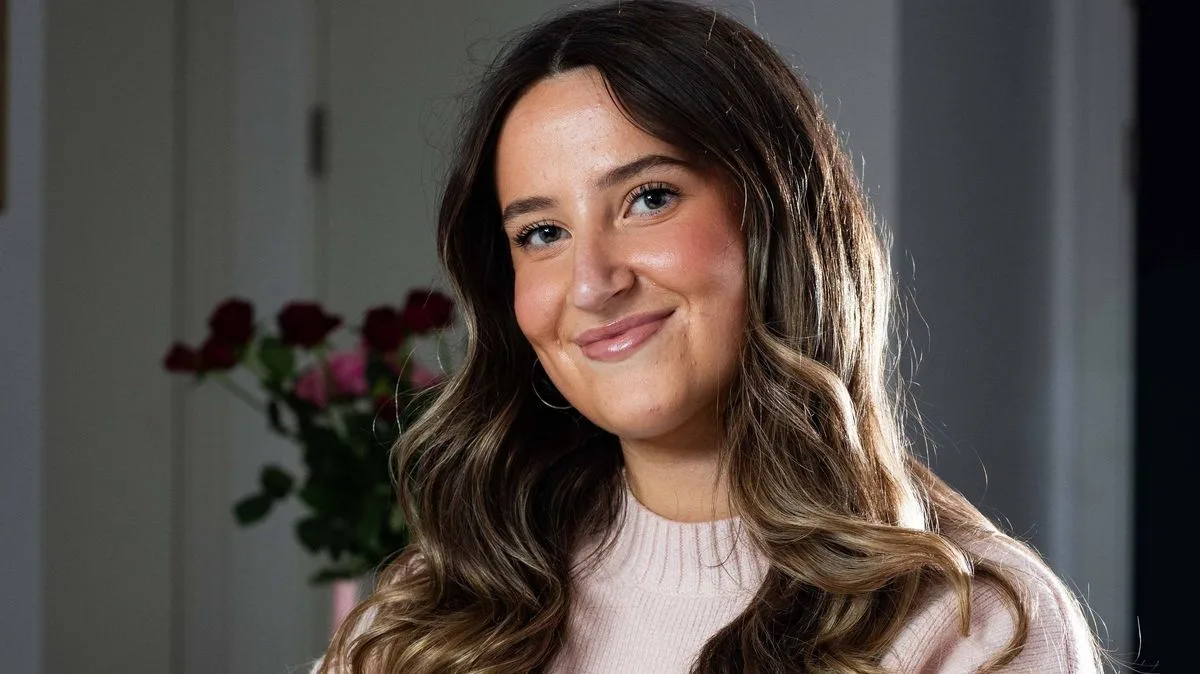
Molly Lambert, 22, from Deansgate, Manchester, has revealed how her undiagnosed Pure O obsessive compulsive disorder (OCD) led her to believe she was a paedophile. The condition, a variant where compulsions are primarily mental rather than physical, caused her to experience intrusive sexual and violent thoughts during her teenage years, leaving her terrified she posed a threat to others.
After seeing a TikTok video discussing P-OCD—the paedophilic theme within OCD characterised by unwanted sexual thoughts involving children—Molly received her diagnosis in August 2025. She has since been contacted by over 1,000 people quietly battling the same distressing thoughts. 'The response has been overwhelming,' she said. 'People say they've been crying, that they've felt like this for years and never told anyone.'
Molly emphasised that P-OCD is distinct from paedophilia, noting that the thoughts never represented her true intentions. Her compulsions were entirely mental, involving replaying thoughts, overanalysing situations, and constantly seeking reassurance. She explained that OCD latches onto themes of harm, morality, sexuality, and existence, describing them as 'the same lie in a different disguise'.
Her path to recovery has been challenging. Initial therapy in 2023 offered temporary relief, but panic attacks worsened by 2024, prompting her to explore hypnotherapy before her formal diagnosis in 2025. She said the shame lingers: 'Even years later, that feeling can linger.' Opening up proved pivotal, as externalising her thoughts helped 'clear the air'.
Molly believes men may face even greater stigma. 'If I was a man, I'd be terrified to open up,' she said. Her decision to speak publicly has attracted hostility, with some calling her a 'nonce' and telling her to die. She urges understanding: 'If people understood traditional OCD, they'd see the same patterns. Reactions can push sufferers further into themselves, and that's why it's dangerous.'