Mobile Phones to be Banned in Schools Across England Under New Statutory Plans
Mobile Phones Banned in English Schools Under New Statutory Plans

Mobile Phones to be Banned in Schools in England Under New Statutory Plans

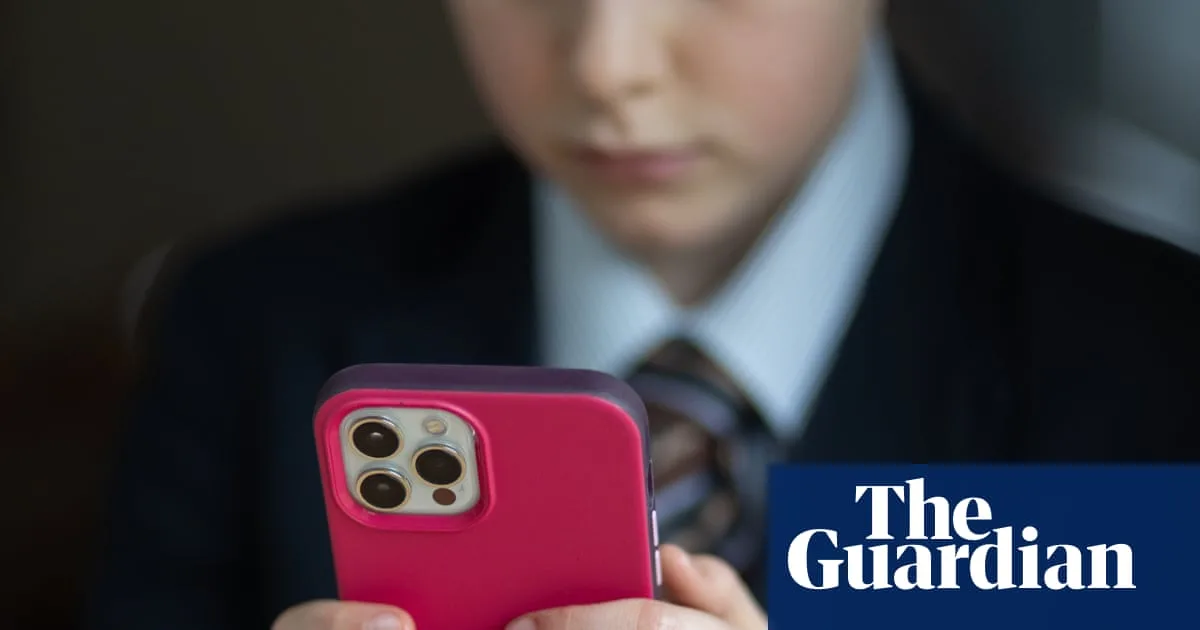
The UK government has announced plans to implement a statutory ban on mobile phones in schools across England, marking a significant shift in education policy. This move comes as an amendment to the children's wellbeing and schools bill, which will replace existing non-binding guidance with a clear legal requirement for schools to prohibit mobile phone use during the school day.

Government Capitulation on Legal Requirement

Previously, ministers had resisted making the ban statutory, arguing that the vast majority of schools had already implemented their own policies restricting mobile phones. However, in a pragmatic turn, the government has agreed to table an amendment in the House of Lords to ensure the passage of what is regarded as critical safeguarding legislation. Education Minister Jacqui Smith stated, "We recognise the strength of feeling on this issue, both in this house and beyond." She added that the amendment would place existing guidance on a statutory footing, creating a legal requirement for schools.

Background and Existing Policies

Research from last year revealed that 90% of secondary schools and 99.8% of primary schools in England already had policies in place that limited or restricted mobile phone use. Despite this, the non-statutory nature of the guidance led to inconsistencies and challenges for headteachers dealing with parental pushback. Education Secretary Bridget Phillipson had previously written to headteachers emphasizing the need for phone-free environments, but without legal backing, implementation varied widely.

Wide Pickt banner — collaborative shopping lists app for Telegram, phone mockup with grocery list

Support and Criticism from Education Leaders

Pepe Di'Iasio, general secretary of the Association of School and College Leaders, commented, "A statutory ban on mobile phones in schools doesn't really change very much. Most schools already have policies in place." He urged the government to provide funding for secure storage solutions, such as lockers or pouches, to support schools in managing the ban effectively. Paul Whiteman of the National Association of Head Teachers welcomed the move, noting that statutory guidance would offer clarity and remove ambiguity in school policies.

Political Context and Broader Legislation

The children's wellbeing and schools bill is considered a major piece of child protection legislation, including measures like a compulsory register for children not in school and a crackdown on profiteering in social care. The government accused opposition peers of blocking key measures, with a spokesperson criticizing Conservative and Liberal Democrat efforts as "utterly abhorrent" and a failure to protect vulnerable children. In response, a Liberal Democrat spokesperson claimed credit for pushing the mobile phone ban, calling it a win for pupils, teachers, and families, while urging adequate funding for implementation.

Implications for Schools and Future Steps

With the statutory ban, schools will now have a uniform legal framework to enforce mobile phone restrictions, potentially reducing distractions and enhancing student focus. However, concerns remain about the practicalities, including the need for resources to manage phone storage and ensure compliance. The Department for Education reiterated its stance, stating, "We have been consistently clear that mobile phones have no place in schools." As the bill progresses, stakeholders will monitor how this policy impacts classroom dynamics and student wellbeing across England.

Pickt after-article banner — collaborative shopping lists app with family illustration