A bill arrives. You scan it quickly – food, drinks, total – and then your eye catches it: 20 per cent service charge. Not a tip, not quite optional, but not exactly compulsory either.
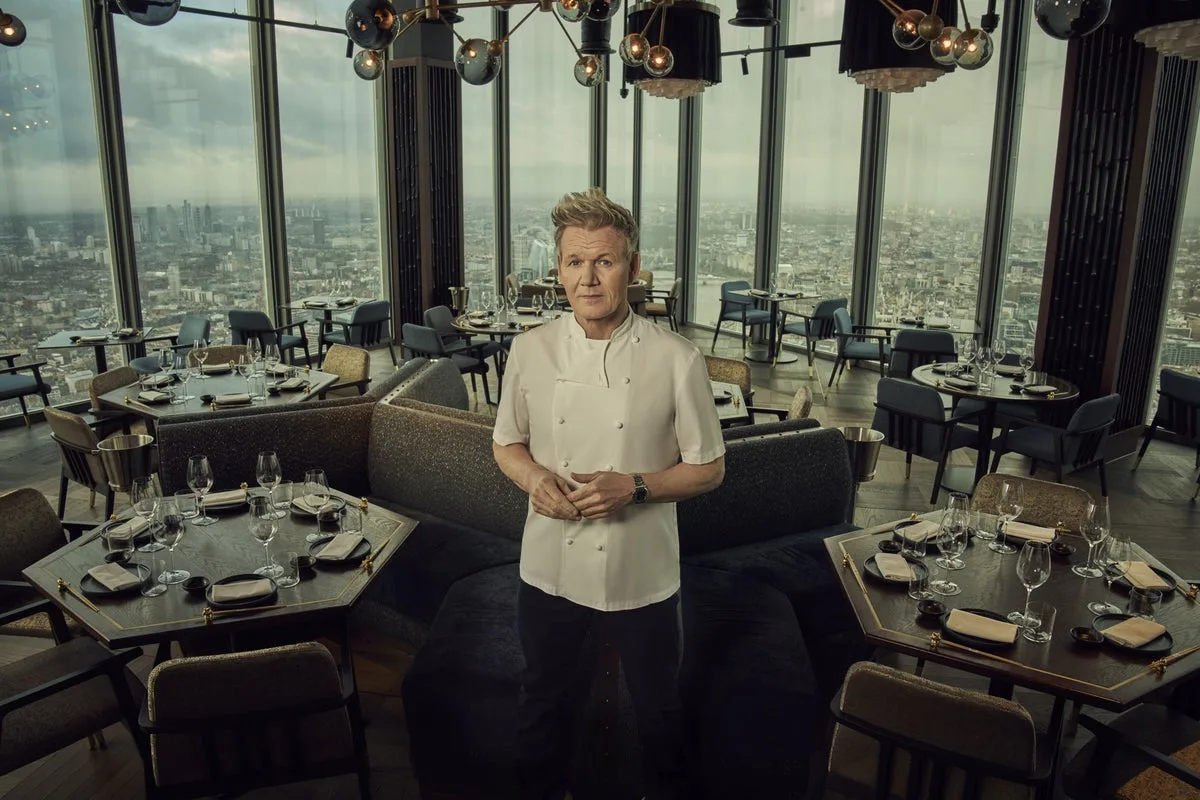
When Gordon Ramsay added a charge to Christmas and New Year menus at his Lucky Cat restaurant at 22 Bishopsgate – albeit for a limited period – it reignited a familiar question: when did eating out in Britain get quite this complicated – and quite this expensive?
It’s tempting to frame it as the creeping Americanisation of dining. But the reality is subtler – and perhaps more uncomfortable. Service charges haven’t suddenly appeared; they’ve simply been inching upwards, from 10 to 12.5 to 15 per cent, and now, occasionally, beyond. The language hasn’t changed, but the expectation has.
More than a fifth of diners (22 per cent) are boldly opting out of paying optional service charges, according to research from 2024 by RSM UK. It seems the national penchant for avoiding a fuss has finally met its match in the form of a sneaky 12.5 per cent now routinely tacked onto the bill.
Rory Cox, owner of The Prancing Stag in Jordanhill, Glasgow, is aware of this simmering resentment. At his restaurant, there’s no added service charge, just a fair split of whatever tips the customers leave behind. “I’ve always felt it should be up to the guests if they wish to leave the staff a tip or not. Adding one on puts the customer in an awkward position if they then feel they don’t want to tip, if, say, the meal and/or service hasn’t been up to standard,” Cox says.