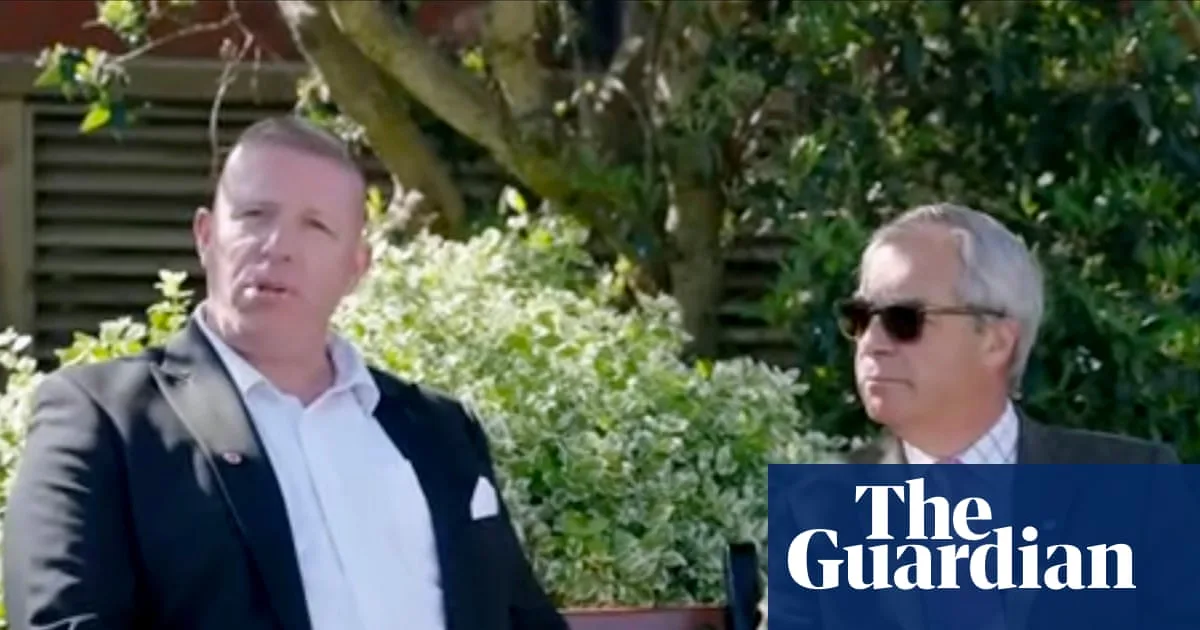
Nigel Farage delivered a defiant response when confronted about potential hypocrisy in Reform UK's promotion of Christian values while Christian leaders openly criticise the party's plans to deport tens of thousands of migrants. The exchange occurred during a campaign event in Dover, where Farage's key lieutenant Zia Yusuf outlined aggressive immigration measures.
Reform's Hardline Immigration Blueprint
Speaking at a seafront hotel with the white cliffs visible, Yusuf detailed plans that would see thousands of migrants - including some who arrived legally - rounded up and placed on deportation flights. He claimed an RAF Voyager aircraft would be on standby to assist these operations, drawing comparisons to Donald Trump's ICE enforcement tactics in the United States.
Reform's proposals extend beyond new arrivals to include those with Indefinite Leave to Remain status, potentially putting long-term residents at risk of removal. Yusuf attempted to frame these controversial measures as being "rooted in Christian values," stating that Britain's greatness is "irrevocably derived from Christian heritage."
Church Leaders Voice Strong Opposition
Despite Reform's Christian framing, prominent religious figures have repeatedly condemned the party's immigration approach. When Farage and Yusuf previously unveiled plans to deport people to warzones and authoritarian regimes, the Archbishop of York described the proposal as "beneath us as a nation."
The Bishop of Oxford directly accused Farage of lacking compassion, while numerous bishops have advocated for lifting the two-child benefit cap to alleviate child poverty - a policy Reform intends to reimpose if elected, potentially affecting approximately 1.6 million children.
Farage's Dismissive Response to Hypocrisy Question
When asked whether Reform's Christian rhetoric conflicts with church leaders' opposition to their policies, Farage responded dismissively: "You've just encapsulated beautifully, I couldn't have done it better myself, why the Church of England has gone to the dogs." His remarks drew applause from Reform supporters in attendance.
Pressed further about whether Christian leaders misunderstand their own faith, Farage countered: "I think they've got a rather twisted view of what their flock in this country actually want them to do." This exchange highlights the growing tension between Reform's political messaging and established religious institutions.
Implications for Reform's Electoral Strategy
The confrontation reveals a significant challenge for Reform UK as it positions itself as defender of Christian values while promoting policies that conflict with church leadership positions. With the party needing to maintain voter anger about immigration to succeed in the next general election, this dissonance between religious rhetoric and religious authority creates a complex political landscape.
As Reform continues to propose hard-right policies inspired by Donald Trump's approach, the party risks deepening divisions not only within British society but also with religious institutions whose values they claim to champion. A potential Farage government would likely face continued opposition from church leaders despite its Christian framing of policy positions.