
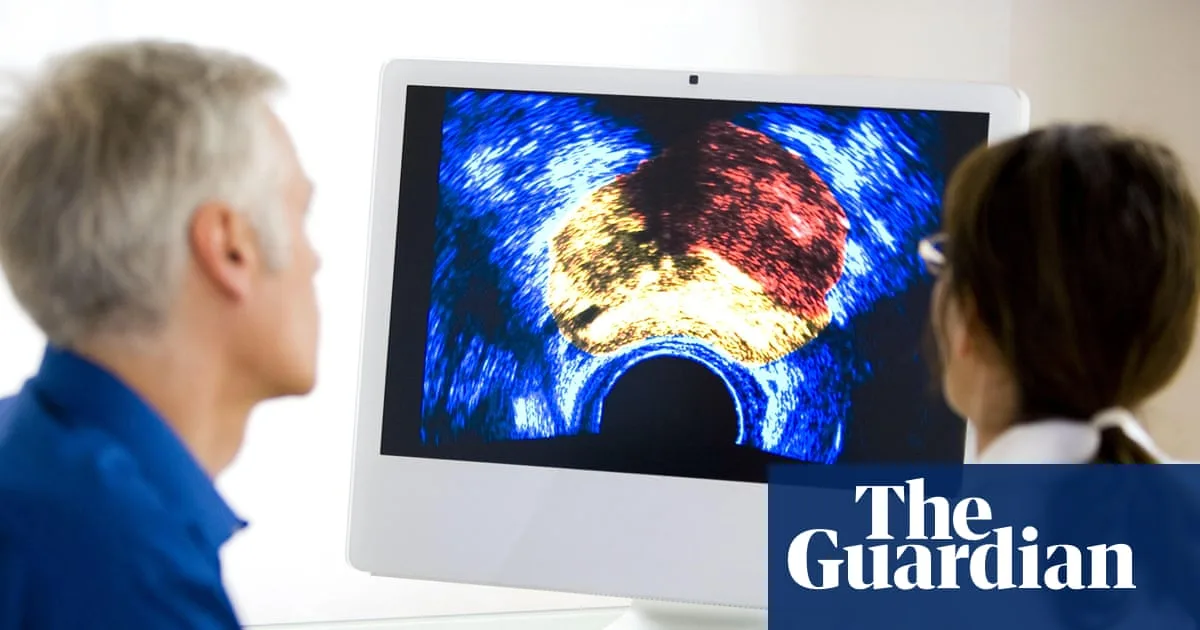
The rate of women dying from breast cancer in the UK has fallen to a record low, according to new analysis from Cancer Research UK (CRUK). The charity reports that breast cancer death rates dropped by 14% between 2012-2014 and 2022-2024, contributing to an overall decline in cancer mortality of nearly a third since the 1980s.
Overall, about 247 in every 100,000 people now die from cancer each year, a 29% fall from the peak of 355 per 100,000 in 1989. The improvement is attributed to advances in prevention, diagnosis and treatment, including smoking bans, screening programmes, and the HPV vaccine.
However, cancer remains Britain's biggest killer, causing one in four deaths, and survival rates lag behind several European countries including Romania and Poland. The number of cancer diagnoses is rising due to an ageing and growing population, with one person diagnosed every 75 seconds in the UK.
While many cancer death rates have fallen, some have risen over the past decade, including kidney cancer (up 5%), liver cancer (up 14%), and eye cancer (up 26%). CRUK warns that future progress is not guaranteed and calls on the government to streamline clinical trials and support NHS staff in life-saving research.
Dr Sam Godfrey, science engagement lead at CRUK, said: “These figures represent decades of crucial scientific breakthroughs. From vaccines that prevent cancer to kinder, more targeted treatments. Because of this, thousands more people today can make memories, reach milestones and spend precious time with their loved ones.”




