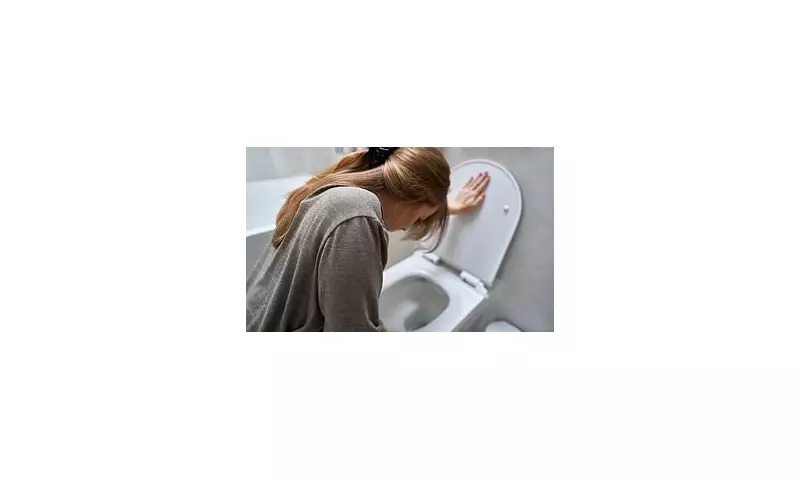
Imagine a life where the mere thought of nausea sends you into a spiral of dread, and the sound of someone coughing triggers a desperate need to flee. For Jess Smith, a 62-year-old woman who has battled emetophobia—an intense fear of vomiting—since childhood, this was her daily reality for decades.
A Life Ruled by Fear and Avoidance
Speaking to the Daily Mail, Ms Smith explained that the common reaction of 'no one likes being sick' profoundly underestimates the condition. Emetophobia is defined by the NHS as an intense, specific fear of vomiting or seeing others vomit. For sufferers, it creates a vicious cycle where the fear itself induces nausea. "The phobia makes you feel nauseous all the time, you create what you fear," she said. "The brain gives you symptoms it thinks are helpful."
This hypersensitivity often leads to other issues like reflux, IBS, and bloating. Ms Smith's intrusive thoughts were most severe during her teenage years, even triggering an eating disorder that was misdiagnosed as anorexia. "I hardly ate anything, mostly because I was afraid of food," she recalled, noting she avoided meat for years and saw potential bacteria in every black speck of pepper.

The Inescapable Triggers of Parenthood
The phobia receded slightly in her twenties but returned with a vengeance in her thirties when she became a mother for the second time. Her youngest son was a "very sickly child" who would get vomiting bugs annually. "I’d start dreading September, listening in playgrounds, hearing other mums talk about bugs," she shared. When her children were ill, her fear was so overpowering she would leave them with their father and drive away. "It makes you want to run away from your own family," she admitted.
Experts from the Cleveland Clinic suggest emetophobia is potentially under-reported. While some sources claim it affects less than 0.1% of people, other estimates suggest a significant minority—anywhere from 2% to nearly 9% of the population—may suffer in silence, with women believed to be most affected. The phobia is classed as an anxiety disorder and can manifest as an obsession with cleaning, overlapping with symptoms of OCD.
Breaking the Cycle and Finding Freedom
Remarkably, like many with the condition, Ms Smith has vomited very few times in her life. "People say they haven’t been sick for decades. It shows how powerful the mind is," she observed. Her turning point came through an online course focused on anxiety, which helped her reframe her fear. "What my coach said that changed everything was, 'you’re not afraid of being sick, you’re afraid of the thought of being sick'. That burst the bubble," she explained.
This insight allowed her to see that she was afraid of thoughts, not the act itself. "Slowly, slowly, it changed things for me, and now emetophobia is something that’s there in the background but it certainly doesn’t rule my life," she said. Treatment typically involves a lengthy process of Cognitive Behavioural Therapy (CBT) and sometimes antidepressants for underlying anxiety.
Eager to help others, Ms Smith has penned a book, Emetophobia and Me. "I really want to shine a light on it; it’s not talked about on TV," she stated. "With other phobias, you can get away. With emetophobia, it invades your safest place, your bed at night." Her book serves as a transformative guide, aiming to end the guilt and shame that keep so many suffering silently.