A leading dental expert has issued a stark warning to festive revellers, pinpointing a popular celebratory drink as a major culprit for tooth damage and unsightly staining this Christmas season. The advice centres on the hidden dangers lurking in your glass of bubbly.
The Festive Fizz Culprit: Prosecco's Acidic Assault
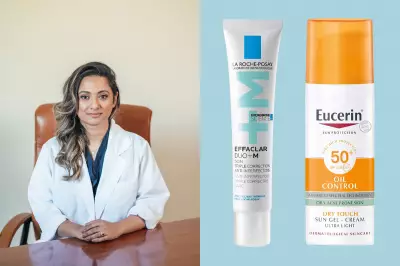
Dr Nyree Whitley, the chief clinical officer at mydentist with over two decades of clinical experience, has delivered sobering news for fans of the Italian sparkling wine. "I'm afraid I have some bad news for Prosecco lovers," she stated, explaining that while it's an enjoyable festive tipple, the high acidity in Prosecco can actively damage your tooth enamel. This erosion, in turn, paves the way for noticeable discolouration, potentially turning pearly whites a dull, yellowish shade.
This phenomenon, often dubbed 'Prosecco teeth', has sparked widespread discussion on social media in previous years. The concern is echoed by other professionals like dentist Dr Vanessa Creaven of Spotlight Oral Care, who highlighted that the combination of fizz and acid in drinks like Prosecco and Champagne creates "the perfect combination to cause extreme and significant erosion to your teeth." Signs of this damage include thinning, translucent, or greying enamel.

Expert Strategies to Shield Your Smile
Fortunately, the dental experts offer practical advice to minimise the harm without forgoing festive cheer entirely. Dr Whitley's primary recommendations are straightforward:
- Consider cutting back on your Prosecco intake.
- Drink it through a straw to bypass your teeth and reduce acid contact.
- Avoid brushing your teeth immediately after drinking. The acid temporarily softens enamel, and brushing too soon can spread it around and cause further damage. Wait at least 30 minutes.
Dr Creaven also suggests chewing sugar-free gum after drinking, as it acts as a natural buffer by stimulating saliva production, which helps neutralise acids.
Broader Festive Dental Vigilance
The warnings extend beyond just Prosecco. The festive period, with its abundance of sugary treats and drinks, presents multiple risks for oral health. Dr Whitley urges people to book a dental appointment if they notice increased tooth sensitivity, which could indicate gum disease, or spot white, grey, brown, or black marks on teeth—potential signs of decay.
For those with a sweet tooth, she advises opting for darker chocolate over stickier, higher-sugar alternatives. "While lower in sugar content, chocolate will still provide you with satisfaction of fulfilling cravings," she noted, adding it is less likely to cause damage. A cheeseboard is an even better choice, as the calcium and phosphate help strengthen teeth and balance mouth pH.
Dr Whitley also championed a balanced diet for robust oral health, even giving a surprising nod to the contentious Brussels sprout. She described them as "a great source of calcium and vitamin C, which help to make your teeth strong and more resistant to staining."
By following this expert guidance, you can enjoy the festive season while ensuring your smile remains healthy and bright well into the new year.