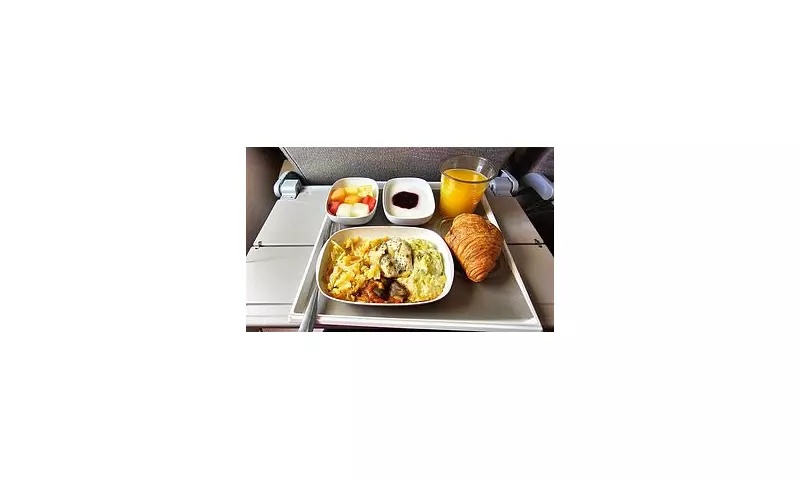
For many travellers, the prospect of an in-flight meal elicits a groan. But is the notorious reputation of airline cuisine truly deserved? One frequent flyer argues that the joy of tucking into a tray of reheated pasta at 30,000 feet is an integral, even enjoyable, part of the long-haul journey.
The Science of Taste at 30,000 Feet
The experience of eating in the air is fundamentally different, and science explains why. Research from an Oxford professor highlights a significant physiological shift: our tastebuds' sensitivity decreases by around 30 per cent during flight. This is due to the combined effects of low cabin humidity, reduced air pressure, and the persistent background noise of the aircraft engines.
Furthermore, the journey of the food itself is a logistical marathon. All airline meals, from economy to first class, are prepared in bulk at catering facilities. They are then repackaged, blast-chilled, refrigerated, transported, and finally reheated onboard. Each step in this chain inevitably impacts the final flavour and texture presented to the passenger.

Can Michelin Stars Conquer the Cabin?
Some airlines attempt to elevate the experience through high-profile collaborations. A prime example is Qatar Airways' gastronomic partnership with celebrated French chef Yannick Alleno, who holds an impressive 17 Michelin stars. The carrier has received rave reviews on forums like FlyerTalk, with passengers praising dishes such as herb-crusted lamb rack and Pandan crepes.
Yet, even the most exquisite culinary offerings seem to be judged by a different standard in the sky. Enthusiastic reviews often come with a caveat, describing a dish as "the best black cod I've ever eaten in the air" or labelling caviar as "the best plane food I've ever had." This linguistic qualification underscores a universal truth: context is everything. A meal served with disposable cutlery in a pressurised cabin, no matter its provenance, struggles to transcend its environment.
The Ritual of the In-Flight Tray
Despite the scientific and logistical challenges, many find a peculiar charm in the in-flight dining ritual. There's a shared, almost nostalgic, experience in unpeeling the foil from a tray, navigating a slightly oily noodle dish, or sipping wine from a plastic cup. For these travellers, it represents the transitional purgatory of travel—a warm-up act for the culinary delights that hopefully await at the destination.
So, while expecting a gourmet experience while hurtling through the stratosphere may be unreasonable, a reappraisal might be in order. Airline food, in all its reheated glory, is a unique part of the journey's narrative. It’s not just about sustenance at altitude; for many, it’s a ritual that signals the adventure has truly begun.