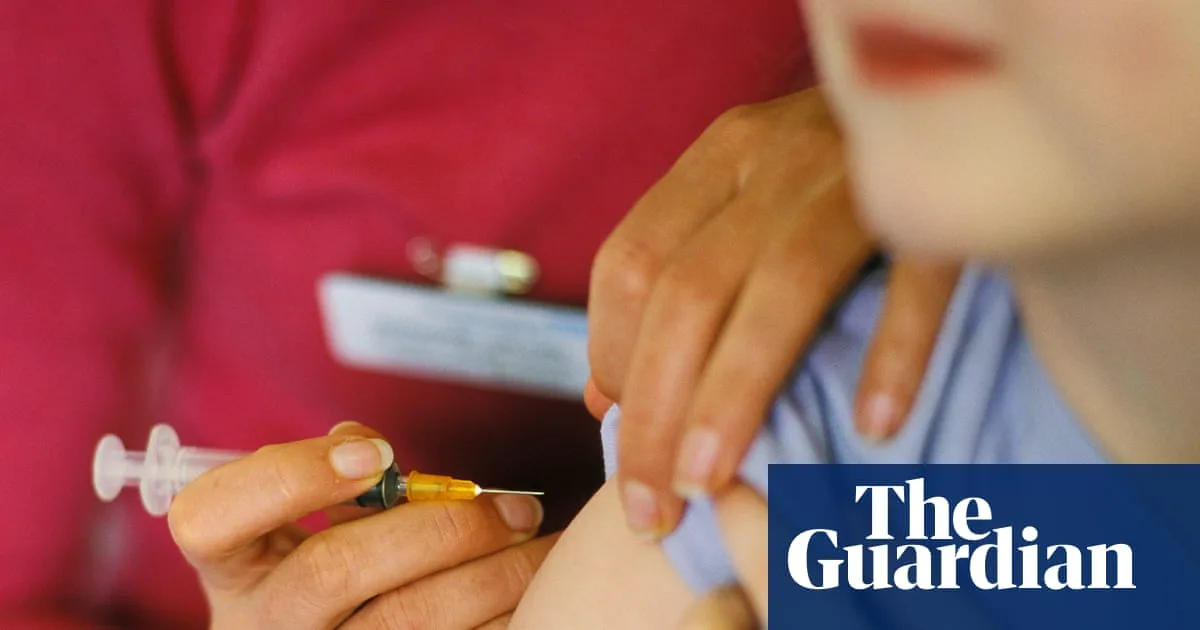
The National Health Service is set to begin a groundbreaking and contentious clinical study that will involve hundreds of children receiving puberty-blocking drugs. This marks the first experiment of its kind to receive official NHS backing, aiming to assess the safety of these medications for young people experiencing gender incongruence.
The Study's Framework and Participant Details
As many as 226 children, some as young as ten years old, who identify as transgender are expected to participate in the trial. The research, led by a team at King's College London, will investigate whether puberty blockers can be used safely to help young people align their physical bodies with their self-identified gender. The youngest participants will typically be ten to eleven for girls and eleven to twelve for boys, with a maximum age cap of fifteen years and eleven months.
To take part, each child must have permission from a parent or guardian and an official diagnosis of 'gender incongruence' based on World Health Organization standards. The study design will split participants into two groups. One group of 113 children will receive puberty blockers for two years immediately, while the other half will start the treatment after a one-year delay. Both groups will be closely monitored for a total of four years before any final results are published.
Controversy and Strong Opposition from Campaigners
The trial's approval has sparked significant backlash from campaign groups and charities. Maya Forstater, CEO of Sex Matters, labelled the study's launch as 'outrageous', arguing that it is unethical to expose more children to experimental treatment before fully understanding the outcomes for those already treated. She emphasised that these drugs are a major intervention with no proven benefits and increasing concerns about permanent harm.
Echoing these concerns, Stephanie Davies-Arai, founder of Transgender Trend, expressed deep disappointment that the trial received approval. She highlighted the serious risks to fertility, bone density, and brain development in adulthood associated with puberty blockers, stating that administering irreversible treatment to children without adequate evidence of benefit is not ethical. Sources indicate that some gender-critical groups are considering a judicial review in an attempt to halt the trial.
Researcher Assurance and the Shadow of the Cass Review
Researchers have firmly dismissed accusations that the trial could coerce children into taking potentially harmful drugs. Chief investigator Professor Emily Simonoff from King's College London's IoPPN defended the study, insisting it features the 'most rigorous and safest study design' with close monitoring for any side effects. The primary drug expected to be used is Triptorelin, administered by injection every six months. This drug has been licensed since the 1980s for children experiencing early puberty.
This trial was announced in 2024 in the wake of the landmark Cass Review, which heavily criticised the poor quality of previous studies on puberty blockers. The review, led by Dr Hilary Cass, concluded that the evidence for the beneficial effects of these drugs was weak and recommended a full programme of research. Following the review's publication, the NHS banned the routine prescription of puberty blockers, which had previously been given to hundreds of children at the now-criticised Tavistock Gender Identity Development Service (GIDS).
Professor Simonoff controversially suggested that some participants might remain on the drugs after the trial concludes, if deemed clinically appropriate. The study is funded by NHS England and supported by King's College London and the South London and Maudsley NHS Foundation Trust, with recruitment scheduled to begin in the New Year.




