Cyprus Condemns UK Communication Failures After Drone Attack on British Base
Cyprus has launched a formal diplomatic complaint against the United Kingdom, blaming poor communication from London for a drone strike on the RAF Akrotiri base that has dragged the island nation into the escalating Middle East conflict. The Cypriot government has expressed profound dissatisfaction with Britain's handling of the incident and refused to rule out renegotiating the longstanding agreement governing the use of British military installations on Cypriot soil.
Attack Details and Diplomatic Fallout
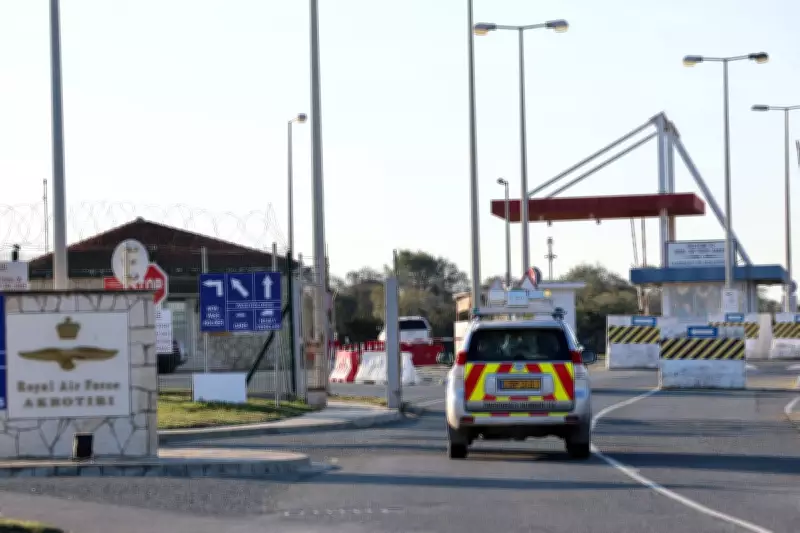
The drone strike occurred shortly after midnight on Monday, causing minor material damage to an aircraft hangar at RAF Akrotiri, one of two sovereign British bases maintained since Cyprus gained independence from colonial rule in 1960. According to senior Cypriot officials, the attack was carried out by an Iranian Shahed drone, most likely launched by the Iran-backed militant group Hezbollah from Lebanon, though the exact source remains unconfirmed.
Government spokesman Konstantinos Letymbiotis told reporters that Cyprus viewed the situation "with dissatisfaction" and criticised the British government for failing to provide clear clarification that the bases would not be used for purposes beyond humanitarian operations. "There was no clear clarification that the British bases in Cyprus would under no circumstances be used for any purpose other than humanitarian reasons in Sunday's statement by the UK prime minister," Letymbiotis stated.

Cyprus Considers Treaty Renegotiation
The Cypriot government has explicitly stated that it is not ruling out renegotiating the status of the British bases in light of the attack and Britain's communication failures. When questioned about potential treaty changes, Letymbiotis responded firmly: "In this context, we are not ruling anything out." This marks a significant escalation in diplomatic tensions between the two nations, with Cyprus emphasising that the base itself—considered sovereign British territory—was the target, not Cyprus proper.
Cyprus has repeatedly requested that Britain use the bases exclusively for humanitarian purposes, a position that appears increasingly strained following Britain's announcement on Sunday that it had accepted a US request to use its military bases for "defensive" strikes against Iran. This development came just one day after the launch of a joint US and Israeli military campaign against Iran, which triggered retaliatory actions from Tehran.
Security Concerns and International Response
The drone attack represents the first time a British base in Cyprus has been struck since Libyan militants launched a rocket attack in 1986, highlighting the heightened security risks in the region. In response to the escalating threat, France has announced plans to send anti-missile and anti-drone systems to Cyprus, which currently holds the European Union's rotating presidency. This follows Greece's offer of assistance on Monday, demonstrating growing international concern about stability in the Eastern Mediterranean.
Cyprus has also criticised Britain for failing to provide timely warnings to Cypriot citizens living near the Akrotiri bases, with Letymbiotis emphasising that "all necessary steps will be taken to communicate our dissatisfaction" regarding both the communication failures and the lack of adequate warning systems. The incident has exposed significant gaps in coordination between British and Cypriot authorities during regional crises.
Broader Context and Political Implications
The drone strike occurred against the backdrop of intensifying Middle East conflict, with smoke rising from Israeli airstrikes in southern Beirut suburbs as regional tensions continue to escalate. While British opposition leader Sir Keir Starmer later clarified that UK bases on Cyprus were not being used by US bombers, the damage to diplomatic relations appears substantial.
The Cypriot government's strong response reflects growing unease about being drawn into international conflicts through its hosting of foreign military installations. As the situation develops, the future of the British-Cypriot base agreement hangs in the balance, with potential implications for regional security architecture and Britain's military presence in the Eastern Mediterranean.