
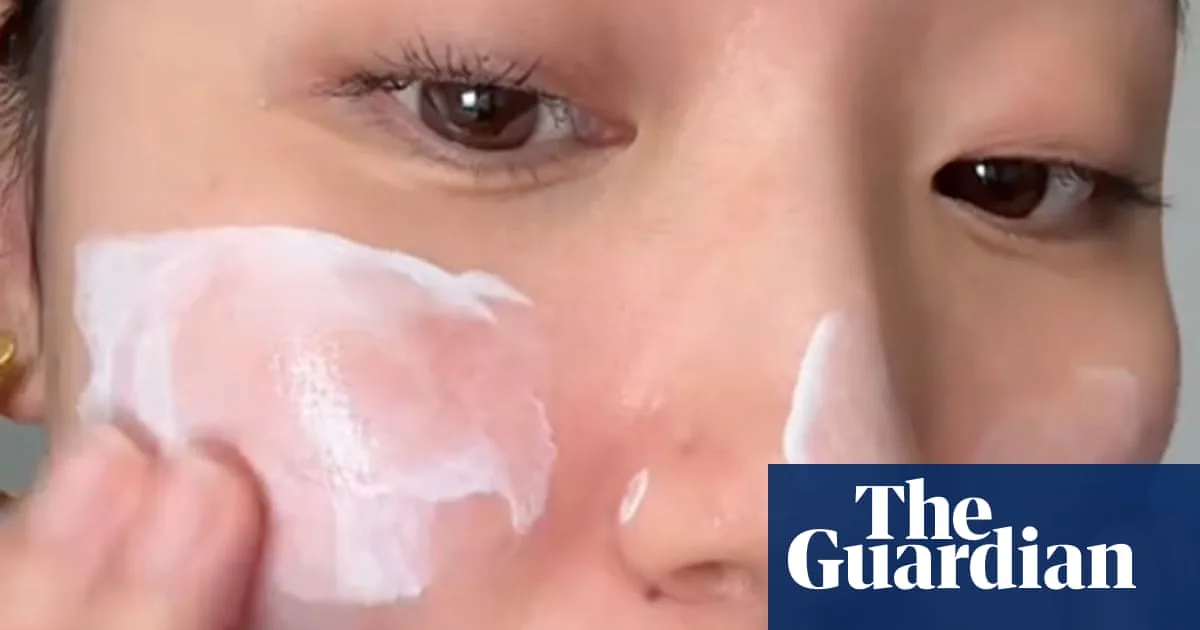
South Korean skincare retailers are opening stores across the UK, capitalising on viral social media sales of beauty ranges featuring unusual ingredients such as snail slime and salmon sperm. The trend, known as K-beauty, is moving from phone screens to physical shops as companies seek to convert online popularity into in-person purchases.
British shoppers can now buy products like Cosrx's snail mucin essence at Superdrug and Boots, while Boots also stocks Anua's face serum containing PDRN from salmon sperm, claimed to hydrate skin deeply. Boots reported selling a Korean skincare product almost every 15 seconds between December and the end of February, and has expanded its range.
Market research firm Mintel says social media is the driving force behind K-beauty's popularity in the UK, with 34% of users having bought a beauty product after seeing it on social media, rising to 58% of Gen Z users. A fifth of Gen Z consumers use K-beauty products, compared with 8% overall, and they are more likely to follow the complex 10-step skincare routines popular in South Korea.
K-beauty products are typically cheaper than established premium brands, making experimentation accessible. The Korean retailer Moida opened its first UK store in west London's Westfield shopping centre in December and a second near Leicester Square this month. PureSeoul now has eight UK outlets, including in Birmingham, Manchester, Oxford and Cambridge, and plans two more this year. Skin Cupid has signed a 10-year lease for a central London outlet after a successful pop-up.
The electronics giant LG is also entering the market through its beauty arm, LG Household & Health Care, launching its K-beauty brand Belif in the UK in May. Spending on pharmacy, health and beauty has remained strong despite belt-tightening elsewhere, with Barclays reporting average spending 10.2% higher in the first quarter of 2025 compared with the same period in 2024.




