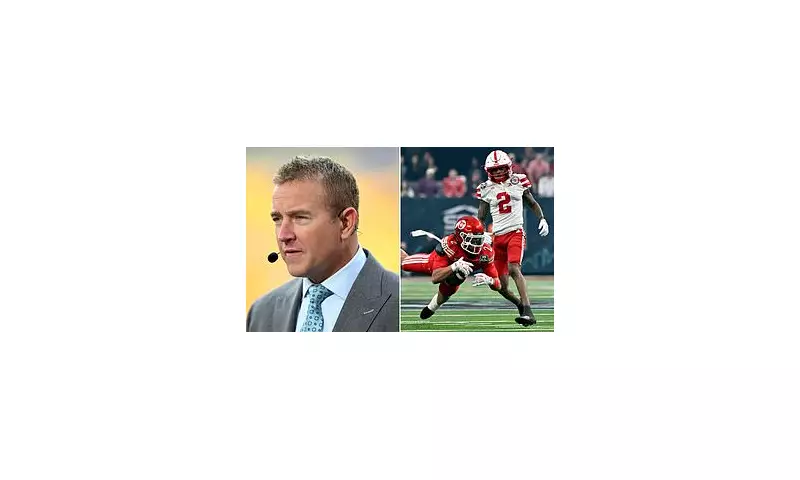
Long-serving ESPN analyst Kirk Herbstreit has disclosed that he once confronted his employers at the sports broadcasting giant over the ballooning number of college football bowl games, a stance that was poorly received by network executives.
Herbstreit's Controversial Seminar Intervention
Speaking on the latest episode of his 'Nonstop with Kirk and Joey' podcast, the 56-year-old commentator recounted the moment he challenged the status quo. Herbstreit, who has been with ESPN since 1990, described raising the issue during a company seminar, questioning whether the proliferation of postseason contests was diluting their prestige.
"I feel like I said this at a seminar one time," Herbstreit explained. "I’ll raise my hand, pull the button down, pull the mic down, and say, 'Are we creating too many bowl games?'" He argued passionately that bowl games should be a special reward for a great season, not a participation trophy for mediocre records.
The Saturation of the Bowl Market
Herbstreit's core criticism centres on the dramatic expansion of the college football bowl schedule. He pointed out that in previous eras, only around 15 to 18 bowl games existed, and teams typically needed an 8-4 record or better to have a chance of qualifying.
The landscape is now radically different. To fill slots for more than 40 bowl games, teams with 6-6 and even 5-7 records regularly receive invitations. With 82 slots to fill across the expanded schedule, the analyst believes the market has become oversaturated, diminishing the accomplishment of reaching the postseason.
"It used to be what, 15-18 bowls forever?" Herbstreit added. "And now, they’re looking for anybody that has a roster to go to a bowl game."
Why ESPN Was Unimpressed
The context of Herbstreit's complaint made it particularly awkward for his bosses at ESPN. The network holds a dominant position in broadcasting the bowl season, airing nearly every one of the games he criticised.
This commercial reality meant his argument about oversaturation, while rooted in sporting tradition, directly questioned a significant part of ESPN's programming and revenue strategy during the college football postseason. Unsurprisingly, his perspective "didn't go over real well" in the corporate seminar.
The current system sees the top four teams compete in major bowl games for a place in the National Championship, while dozens of other bowls act as a mini-postseason for teams excluded from the playoffs. Herbstreit's comments highlight a growing tension between commercial expansion and sporting integrity in American college football.