

Live Nation's Costly Gamble on Kanye West Ends in Festival Cancellation
Global concert giant Live Nation has suffered a spectacular setback after its ambitious plan to rehabilitate controversial rapper Kanye West collapsed at the eleventh hour. The company, which operates major UK venues including the O2 arena and festivals like Isle of Wight, Reading and Leeds, invested months of planning and millions of dollars in what industry insiders describe as a high-risk gamble.
The Failed Courtship and Warning Signs
Live Nation executives flew from Los Angeles to Mexico last month to personally witness Kanye West's performance as part of their campaign to bring the artist to European stages. According to sources speaking to the Daily Mail, the company assembled an extensive global tour package that included headline slots at London's Wireless Festival.
Multiple warning signs were reportedly ignored during the planning process. Industry advisors cautioned against booking West for performances in Haringey, North London - an area with a significant Jewish community - but these concerns were allegedly dismissed. Two major football stadiums, Tottenham Hotspur and West Ham's grounds, reportedly rejected hosting proposals outright, while Twickenham was considered unsuitable for the rapper's audience demographic.
The Financial Fallout and Contractual Complications
West secured a substantial $15 million fee for three consecutive nights at Wireless Festival, despite the event lacking a confirmed headline act until remarkably late in the planning stages. The entire enterprise unraveled when UK Home Secretary Shabana Mahmood barred West from entering Britain, declaring his presence "not conducive to the public good."
Live Nation believes contractual clauses may allow recovery of the $15 million artist fee, as visa procurement typically falls under performer responsibilities. However, industry sources express skepticism about actually retrieving funds from West. The greater financial blow comes from Wireless Festival's complete cancellation, which insiders estimate could result in approximately $30 million losses - potentially enough to bankrupt the event entirely.
Industry Backlash and Political Reactions
The debacle has drawn sharp criticism from music industry professionals who describe it as "one of the biggest mess ups since Covid," comparable to Live Nation's Ticketmaster controversies that spawned multiple lawsuits. Critics accuse the company of arrogance and being "out of touch" with public sentiment.
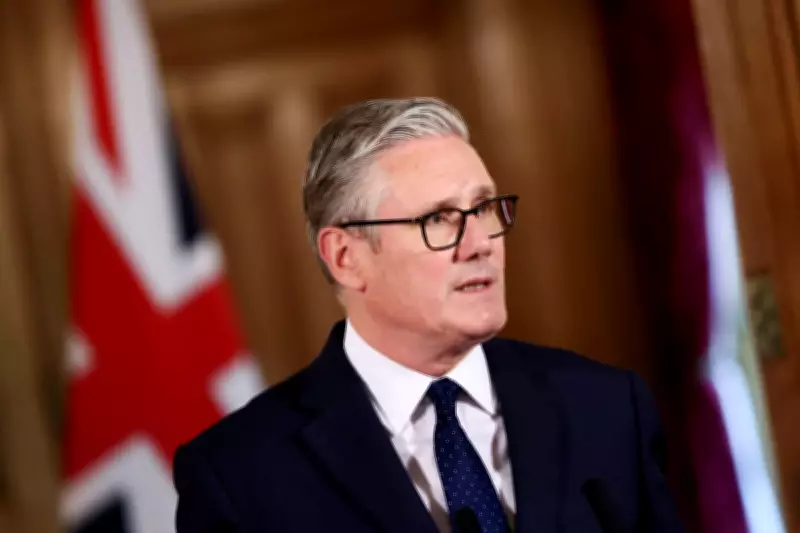
Political figures including Labour leader Sir Keir Starmer declared West "should never have been invited," while organizations like The Campaign Against Antisemitism supported the government's intervention. Holocaust Educational Trust CEO Karen Pollock condemned what she characterized as double standards in West's treatment, stating: "No other community would be told to 'forgive' or 'talk' - the disgusting racism would be recognized for what it is."
Wireless Festival's Troubled Future
Wireless Festival, the UK's sole dedicated rap festival with a history marred by crime and anti-social behavior incidents, now faces existential threats. Industry observers predict the event may "go dark" in 2026, unable to secure replacement headline acts following this controversy. All promotional materials have been removed from the festival's digital platforms, replaced by a single cancellation notice.
Festival director Melvin Benn defended his decision in a lengthy statement, describing himself as a "deeply committed anti-fascist" who believed in "forgiveness and giving people a second chance." He emphasized that West's music remains widely available on UK radio and streaming platforms, arguing the performance would have focused solely on musical content rather than providing a platform for controversial views.
Broader Implications and European Fallout
The cancellation ripples extend beyond UK borders, with West's scheduled performances in France and Holland now facing uncertainty. The Mayor of Marseilles has already expressed opposition to the rapper's appearance, while Dutch ticket sales show inconsistent performance across different shows.
West, who now uses the name Ye, issued apologies earlier this year following a period of anti-Semitic remarks that included releasing a song titled "Heil Hitler" and selling merchandise featuring swastikas. He attributed these incidents to bipolar disorder and proposed meeting with Jewish community leaders in London ahead of his performances - which would have marked his first UK appearance in over a decade.
The festival's official statement maintained that "multiple stakeholders were consulted in advance of booking YE and no concerns were highlighted at the time," though this claim contradicts numerous reports of warnings from various quarters throughout the planning process.