
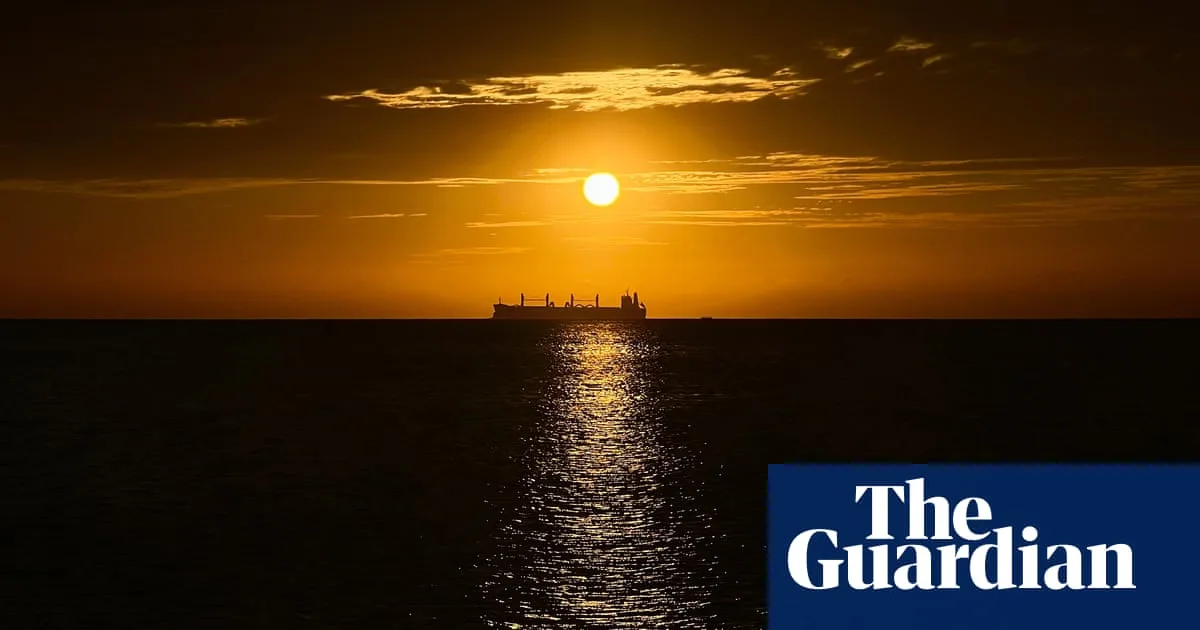
Colombia hosted nearly 60 countries in Santa Marta for the first ever conference on transitioning away from fossil fuels, a bold step to shift the global economy from coal, gas and oil towards clean energy. The talks, held on Colombia's Caribbean coast, come at a pivotal time as oil and gas prices soar following the US-Israeli attacks on Iran, the second such crisis in five years.
Environment Minister Irene Vélez Torres hailed the meeting as 'the beginning of a new global climate democracy,' bringing together high-ambition governments, parliamentarians and civil society to accelerate decarbonisation. The initiative may mark a new divide between 'electro-democracies' and petro-dictatorships, she said.
Fatih Birol, head of the International Energy Agency, called the current crisis 'bigger than all the biggest crises combined,' noting that the global economy is held hostage by volatile fossil fuels. He predicted a permanent shift towards renewables and nuclear power, as consumer countries lose trust in oil and gas.
UN climate chief Simon Stiell observed that the fossil fuel cost crisis has 'its foot on the throat of the global economy,' inadvertently supercharging the renewables boom. He argued that the economic logic of renewables is now impossible to ignore.
According to thinktank Ember, renewables overtook coal in global electricity generation for the first time last year, producing 33.8% of power compared to coal's 33%. Interest in solar panels and batteries has surged worldwide since the Iran war.




