The number of scam centres on the Thai-Myanmar border has more than doubled since Myanmar's military seized power in 2021, according to new research. Data from the Australian Strategic Policy Institute shows the number of such centres has increased from 11 to 27, with an average expansion of 5.5 hectares per month.
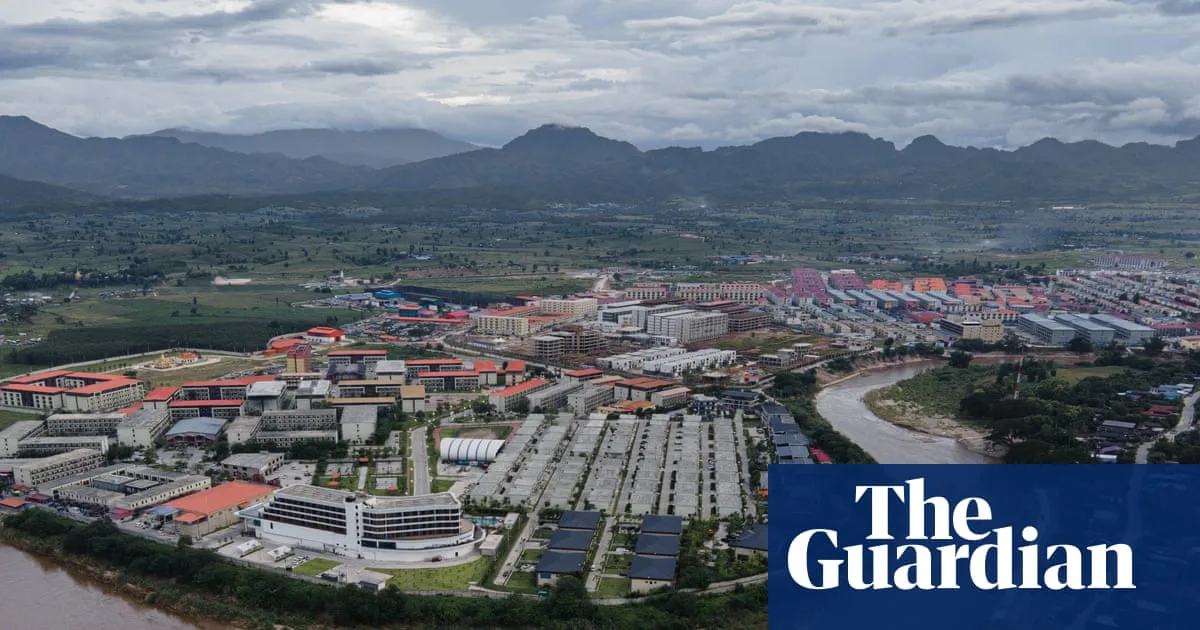
KK Park, a 210-hectare complex near Myawaddy, is one of the largest. It features a hospital, restaurants, a bank and villas, but is used by crime syndicates to run online fraud schemes using trafficked workers. Drone images taken in August show new features including satellite internet receivers, likely Starlink, to bypass Thai cuts to electricity and internet supplies.
Thai authorities have intercepted smuggled Starlink terminals believed to be destined for scam compounds. Other centres, such as Tai Chang and Shwe Kokko, have also expanded, with Tai Chang adding a floating dock for supplies from Thailand.
Thai police estimate up to 100,000 people may be held in these centres. About 7,000 were freed earlier this year through a rescue effort involving Thailand, China and Myanmar. However, the Civil Society Network for Victim Assistance in Human Trafficking reports at least 90 victims still trapped, including nationals from 11 countries across Asia and Africa.
Victims have described extreme violence, torture and punishments. Some have lost body parts or been blinded. One victim from the Philippines spent six months inside KK Park after being trafficked under false pretences.