Archaeologists in Turkey have uncovered the original burial site of St Nicholas, the fourth-century bishop who inspired the legend of Father Christmas. The discovery was made during excavations at St Nicholas Church in Demre, the ancient city of Myra, where the saint served as a bishop.
St Nicholas was originally interred on the grounds of his church, but a new church was later built over his grave on the orders of Roman Emperor Theodosius II. However, his remains were stolen in 1087 by Italian sailors from Bari, who feared losing access to the tomb due to Seljuk Turk invasions and the schism between the Catholic and Greek Orthodox churches.
The remains were taken to Bari, Italy, where they are housed in the Basilica di San Nicola. In 2017, some relics were loaned to Moscow. A chronicle also records that minor bone fragments were taken to Venice by Venetian ships.
Prof. Dr. Osman Eravar, president of the Antalya Cultural Heritage Preservation Regional Board, suggested that some relics might still remain at the original site. However, rising sea levels have submerged parts of the church, complicating further searches.
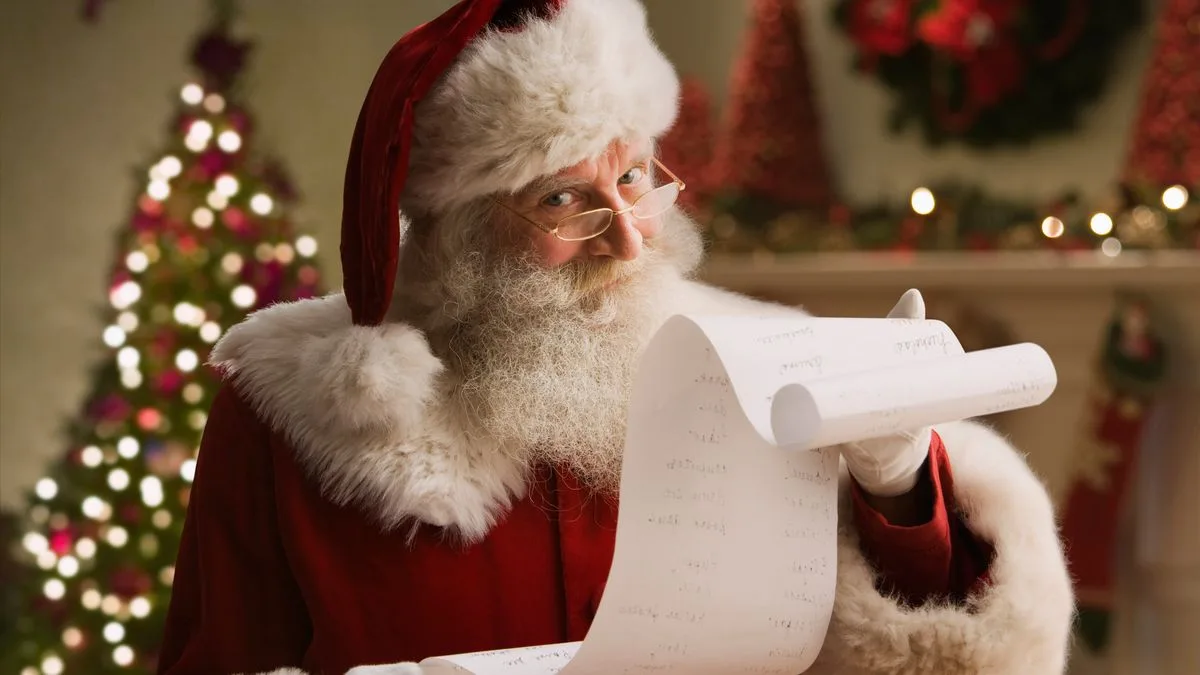
St Nicholas is one of the most venerated saints, known for his generosity and numerous miracles. He is the patron saint of sailors, children, and merchants, among others, and his legacy as a gift-giver influenced the modern figure of Santa Claus.