
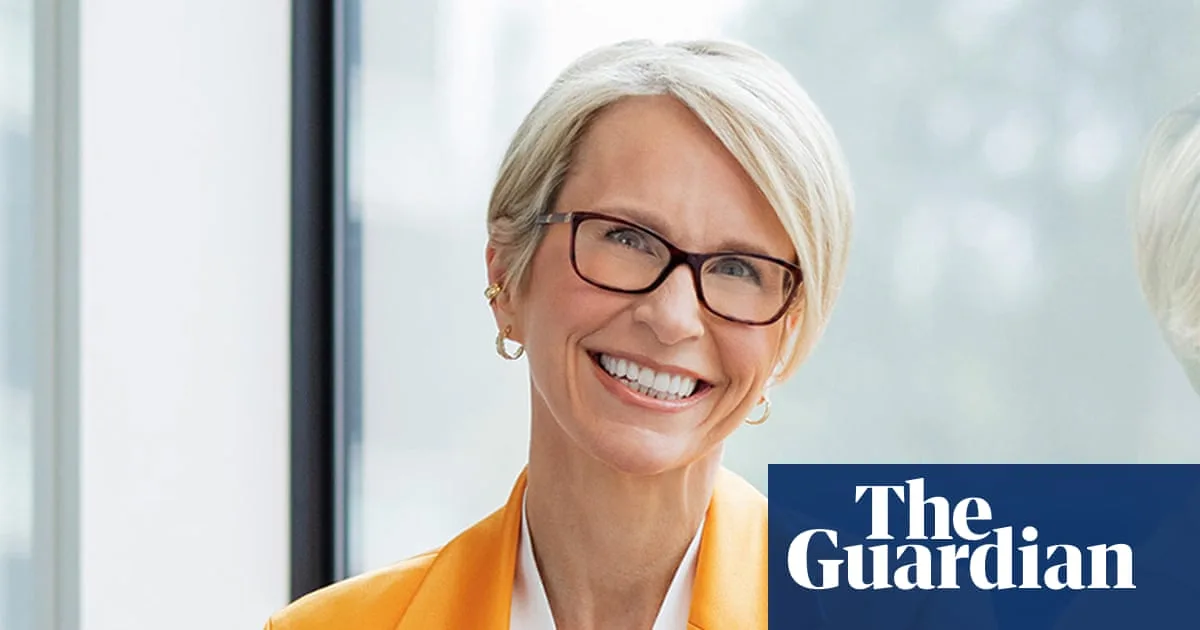
GSK awarded Emma Walmsley a near-50% pay rise to £15.6m in her final year as chief executive of Britain’s second-biggest drugmaker. Walmsley, who led the FTSE 100 company from 2017 and handed over to Luke Miels at the start of this year, was paid a salary of £1.4m in 2025, slightly higher than the previous year, while her annual bonus rose to £3.5m, up from £2.9m in 2024.
The bulk of her pay package, £10m, came from share bonuses, as she benefited from a jump in the share price. The vesting share price in the long-term incentive plan was £21.65 in 2025, compared with £14.43 the year before. A spokesperson for the company said: “Emma’s remuneration reflected another year of very strong performance for GSK against stretching targets.”
GSK’s turnover increased by 7% to £32.7bn last year, bolstered by revenue from its cancer, HIV and asthma treatments, although it expects sales growth to slow this year. Pre-tax profit more than doubled to £7.4bn in 2025. Walmsley set a sales target of at least £40bn by 2031, reaffirmed by Miels in February.
Walmsley, who ran GSK’s consumer healthcare business before becoming chief executive, pushed the group’s biggest corporate restructuring in two decades. This included the 2022 spinoff of its consumer arm, now called Haleon. She survived a campaign by the activist investor Elliott Management to oust her. Under Walmsley, GSK significantly increased spending on research and development, and sharpened its focus on respiratory, immunology, inflammation and cancer medicines, as well as vaccines.
Miels, who stepped up from chief commercial officer, was brought in by Walmsley from AstraZeneca in 2017. He has announced several deals since taking the helm on 1 January, including the £1.6bn acquisition of a Californian biotech developing a medication for severe food allergies. Miels will receive a lower salary of £1.38m, and could receive a total remuneration package of up to £16.6m, including long-term share bonuses.




