









Entertainment

Olivia Wilde's Gaunt Met Gala Look Sparks Concern After Fisheye Lens Blame
Olivia Wilde appeared gaunt at the Met Gala, following a wide-eyed festival appearance she blamed on a fisheye lens. She joked about being a 'resurrected corpse' in a video.





Politics

Blake Lively Gets Nothing in Settlement with Justin Baldoni's Wayfarer
Blake Lively settled her lawsuit against Justin Baldoni's Wayfarer without receiving any financial compensation, despite claiming nearly $300 million in losses.



Sports

Morgan Rogers Fatigue: England Star Running Out of Steam Before World Cup
Morgan Rogers' 58 appearances this season raise fatigue concerns. His form has dipped, affecting his World Cup chances. Cole Palmer also struggles, while Jude Bellingham leads the No10 race.



Crime

Mexican billionaire loses $450M in Astor family scam
Ricardo Salinas Pliego was defrauded of over $450 million by a man posing as an Astor family heir in a bitcoin investment scheme.



Business




Health





Weather
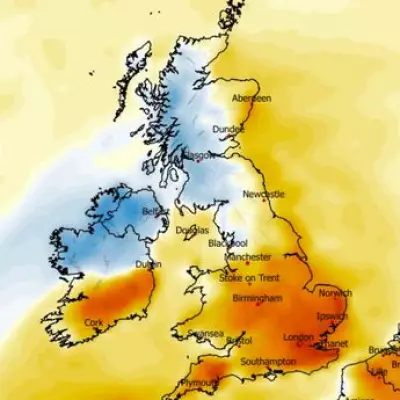
UK Weather: 23C Heat Surge Hits 27 Counties
Weather maps predict a 23C heat surge affecting 27 UK counties on May 20, with southern England seeing the highest temperatures.

Eta Aquarid Meteor Shower Peaks Tonight: Viewing Tips
The Eta Aquarid meteor shower peaks tonight but a bright moon may hinder views. Here's how to best observe the celestial display from Halley's Comet debris.

Arctic Blast to Hit UK After Warm Bank Holiday
An Arctic blast will bring significantly colder temperatures across the UK this week, with frost and potential -5C in rural northern areas.
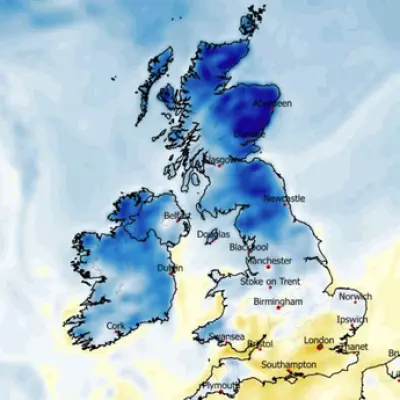
Met Office Warns of Snow and -5C Freeze in Two Areas
The Met Office warns of snow in the Northern Isles and temperatures plunging to -5C overnight, with conditions expected to improve later this week.

UK Braces for Arctic Blast: Temperatures to Plunge to -5C
Temperatures are set to plunge across the UK as an Arctic blast brings frost and showers. The Met Office warns of damaging frost, with lows of -5C in rural north.
Monday Sports Challenge: Football, Cricket & Rugby Questions
Start your week with our Monday sports quiz featuring 100 questions about British football, cricket, and rugby. How well do you know these popular UK sports?
