Steven Soderbergh Defends AI-Generated Scenes in John Lennon Documentary
Soderbergh Defends AI Use in Lennon Doc

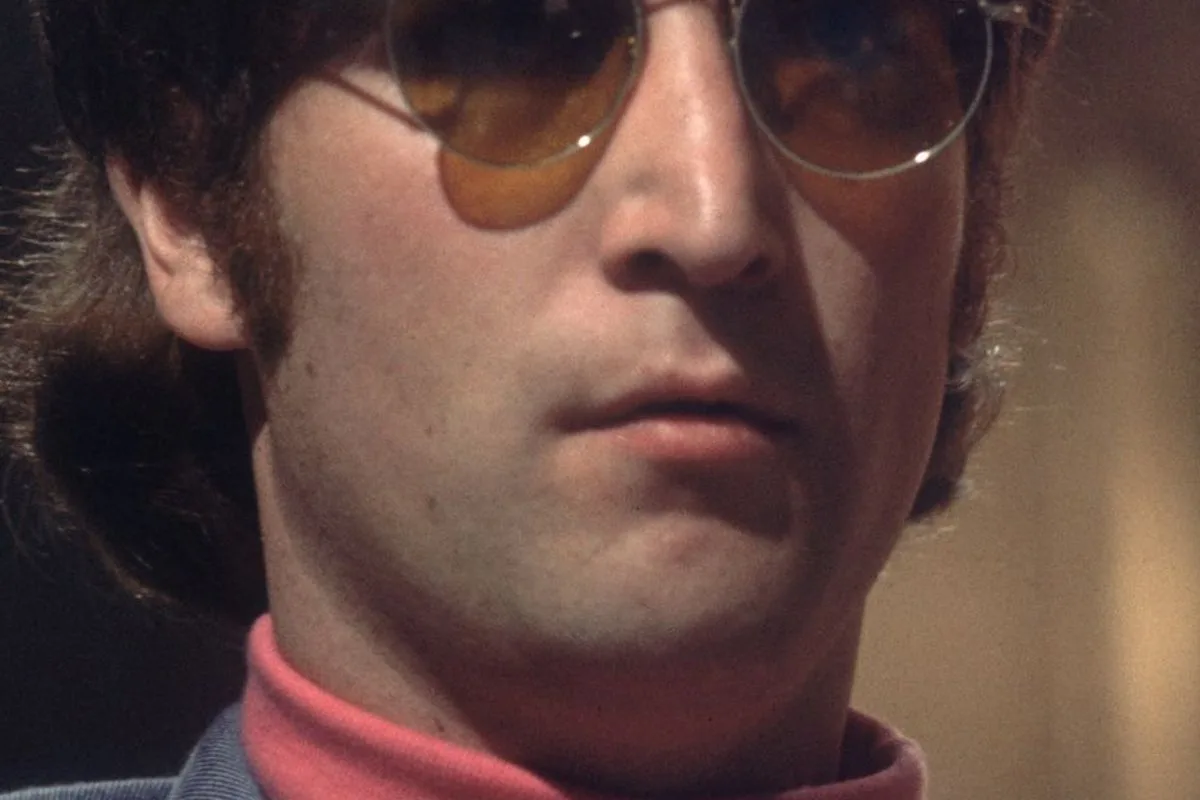
Steven Soderbergh has revealed that AI-generated scenes make up 10 per cent of his forthcoming John Lennon documentary, adding that he thinks the late Beatles star would approve. The Oscar-winning director focuses on Lennon's final in-depth radio interview, which took place with his wife Yoko Ono on 8 December 1980 – just 12 hours before he was shot dead by Mark David Chapman in New York.

AI as a Metaphorical Tool

Opening up about making the documentary, Soderbergh (Erin Brockovich; Ocean's Eleven) said that he used artificial intelligence to create certain images and videos to feature when Lennon and Ono are speaking in abstract terms. The use of AI in film and TV is a hot topic at the moment – with the Oscars recently cracking down on AI in the Academy's latest update to the eligibility rules.

“So now we've got it kind of laid out in chapters and we begin to fill in the areas in which John and Yoko are speaking about a specific experience that they had, or a specific piece of music, or a specific person, and layer in archival material over that text – sometimes stills, sometimes motion, video,” Soderbergh told Deadline. “And we have a version of the movie in which the only holes that remain now are the sections where John and Yoko are talking in abstract philosophical terms.”

Wide Pickt banner — collaborative shopping lists app for Telegram, phone mockup with grocery list

With “10 per cent” of the entire film made up of this audio, Soderbergh said that they wanted to come up with images that “enhance what they're saying but is metaphorical”. “So we're starting to experiment with AI, trying to see if we can build some images that'll fit alongside this text,” he said. “I'm trying to articulate ideas that will result in something interesting, and we're running out of money.”

Collaboration with Meta

As a result, Soderbergh and his crew teamed up with the tech company Meta to create the AI-generated scenes. “They said, 'Well, this is good timing because we really would like and need a filmmaker to stress test some of these tools that we're working on. And if you agree to be a test case for us, we will provide the tech and finish the movie.' So I said, 'Yeah, let's do that.'”

He said that AI is a “very emotional subject”, but defended the film's use of it, saying that it is not being used in a way that would replace human endeavour.

“There's a way of using AI in which your intention is to fool somebody or manipulate them, to create an image that you want them to think is real. And then there's a use, which is what we're doing in the documentary, where it's obvious that it is AI and that it is being used essentially in the way that you would use VFX or CGI or any sort of non-photographic technology.”

Lennon's Son Weighs In

Soderbergh added that he had asked Lennon's son, Sean Ono Lennon, how he thinks his dad would have felt about such technology. “And he said, 'Oh, he would've wanted to engage.' He loved all new technology. All The Beatles did,” said the filmmaker. “He would want to play with it just to see what it could do. He goes, 'That was the way he was.' How he would've felt about it ultimately, we'll never know, but he said he would've wanted to play with it.”

AI Debate in Hollywood

AI has been a hot topic in the world of film and TV for the past few years, with the likes of Guillermo del Toro, James Cameron and Ben Affleck speaking out about it. Del Toro, who won Oscars for Frankenstein and The Shape of Water, said in October that he would “rather die” than work with AI, while actor Ben Affleck said in January that the generative tool is “very unlikely” to make meaningful films. At the weekend, the Academy Awards updated their rules for eligible films, actors and creative – deciding that only roles “demonstrably performed by humans with their consent” will be considered eligible for an Oscar.

Pickt after-article banner — collaborative shopping lists app with family illustration