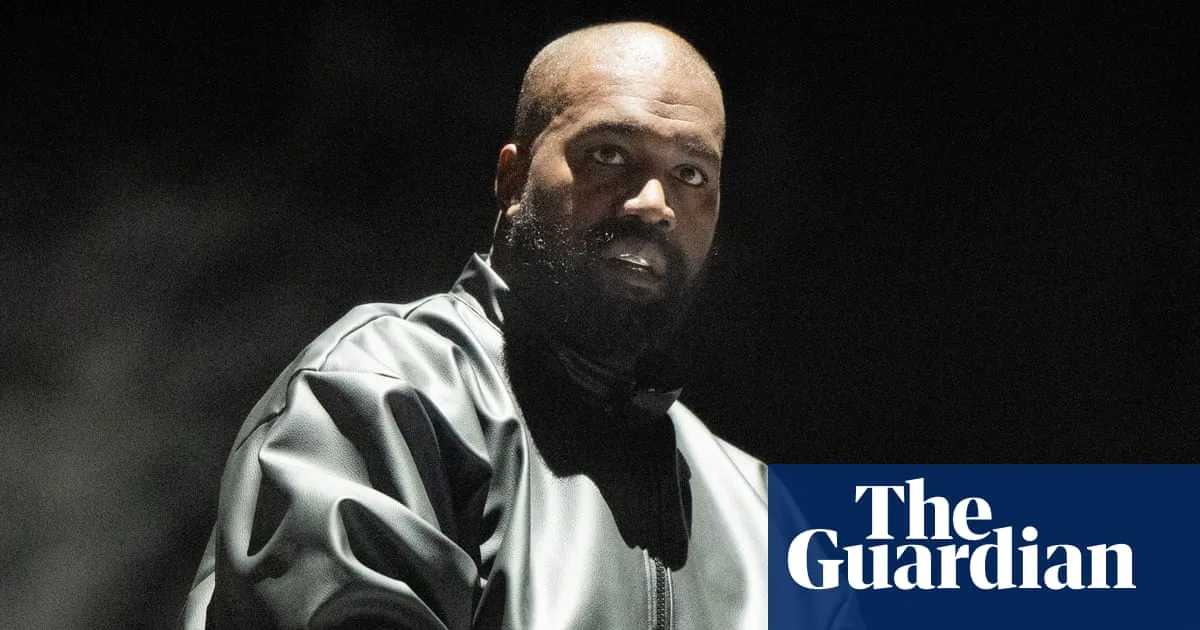
Wireless Festival Cancelled After Kanye West Entry Denial, Losing £30m
The Wireless Festival has been cancelled for the first time in its 21-year history after headliner Kanye West was denied entry into the United Kingdom, with industry estimates suggesting the saga could cost the event over £30 million in potential earnings.
Government Decision Leads to Festival Collapse
The London-based festival, owned and managed by entertainment giant Live Nation and its subsidiary Festival Republic, announced on Tuesday 7 April 2026 that the three-night event scheduled for July would not proceed. This cancellation came after the Home Office withdrew West's Electronic Travel Authorisation (ETA), effectively barring him from entering the country.
A spokesperson confirmed: "The Home Office has withdrawn YE's ETA, denying him entry into the United Kingdom. As a result, Wireless Festival is cancelled and refunds will be issued to all ticket holders."
This development follows West's series of antisemitic statements last year, which included releasing a song titled "Heil Hitler" and selling T-shirts featuring swastikas through his website. The 48-year-old rapper apologised in January 2026, attributing his outbursts to neurological damage from a near-fatal 2002 car crash that compounded his bipolar disorder.
Substantial Financial Impact Estimated
While the exact amount Wireless Festival had already invested remains undisclosed, industry expert John Rostron, CEO of the Association of Independent Festivals, has projected significant revenue losses from the cancellation.
Speaking to The Independent, Rostron explained: "Wireless is roughly 50,000 people. You're talking about a show that has got to be turning over around £10 million a day – that would be a sensible guess. At that level, it's probably a £30 million revenue loss. That's a guess but based on other shows of that size."
Rostron elaborated that the financial impact extends beyond ticket sales: "They would have brought in through ticket income, sponsorship and food and beverage spend, merch – and that's now gone."
Insurance and Payment Uncertainties
Although festivals typically carry insurance as required for limited company operations, coverage for this specific situation remains unclear. Rostron noted: "What it would pay out on is the questionable part of that booking and that show."
Regarding West's potential payment despite being barred from the UK, Rostron speculated that the rapper might have already received compensation through advance deposits or broader contractual arrangements with Live Nation.
"With most independent festivals, you book an artist and pay for that artist before the show through a series of deposits and then the balance," Rostron said. "Broadly speaking, if you're responsible for the cancellation then the artist gets paid, but it's different if the artist cancels. Live Nation is a different beast. They are often doing global deals with artists that can be about buying the artist out on tours and festivals."
Industry Practices and Political Reactions
Rostron emphasised that while Wireless's cancellation has drawn significant attention, it shouldn't reflect on the entire festival industry. "We wouldn't judge all humans on the actions of one and we shouldn't judge all festivals on the basis of one," he stated.
He highlighted standard industry practices: "Good practice in the festival industry is to speak with residents and stakeholders in the build-up and before your event to explain what you're going to do and why you're doing it, and to listen to their concerns because you want the community on side. That's good preparation for a festival."
The cancellation has prompted strong political responses. Mayor of London Sadiq Khan condemned West's booking as "not reflective of London's values," while Prime Minister Sir Keir Starmer stated that the rapper should never have been invited to headline the festival.
The Independent has contacted Festival Republic for further comment on the situation.






