









Entertainment

Traitors Star Charlotte Berman Welcomes Baby Girl Zoe
The Traitors star Charlotte Berman, 33, has given birth to a baby girl named Zoe. She shared the joyful news with fans on social media, receiving congratulations from Claudia Winkleman and fans.





Politics

Air Force Vet Defies Comey Indictment, Doubles Down on '8647' Merchandise
An Air Force veteran and congressional candidate refuses to stop selling '8647' merchandise after James Comey was indicted for posting the numbers, calling it a restaurant term, not a threat.



Sports

Flyers Star York Gets Stick Back After Throwing It Into Stands
Cam York threw his stick into the stands after scoring an OT playoff winner for the Flyers. A fan returned it, and York gave him a signed jersey and a new stick.



Crime

Teen Bank Robber Arrested After Killing Two in Kentucky Heist
Brailen Weaver, 18, was charged with armed bank robbery and firearms offenses after allegedly killing two people during a robbery in Berea, Kentucky. Police identified him via social media posts.







Health





Weather

UK Hits 25.4C on May Day; Rain Looms for Bank Holiday
Temperatures reached 25.4C in London on May Day, hotter than Tenerife, but forecasters warn of rain and unsettled weather for the bank holiday weekend.
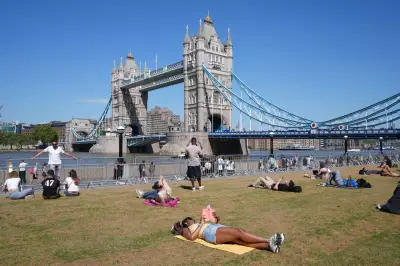
UK Hits 25C but Bank Holiday Weekend Brings Rain Threat
Temperatures reached 25.4C in parts of the UK on Friday, but forecasters warn of heavy rain over the bank holiday weekend, with unsettled conditions expected.

Miami Grand Prix Under Thunderstorm Threat; FIA Plans
FIA monitors severe thunderstorms for Sunday's Miami Grand Prix, with a contingency plan to reschedule the race if lightning poses a risk, as US law mandates evacuation.

Weather Tracker: Tornadoes and Giant Hail in Central US
Severe storms spawn tornadoes and massive hailstones across the central United States, causing widespread damage and injuries.

UK Set for Hottest Day: London and East Anglia to Hit 27C
Parts of the UK could be hotter than Hawaii, Sydney, and Buenos Aires on Friday as temperatures reach 27C. The bank holiday weekend will see a return to cooler, showery conditions.
British Isles Geography: Thursday Challenge
Thursday means geography challenge time! Test your knowledge of the British Isles with questions about landscapes, cities, rivers, and famous landmarks.
