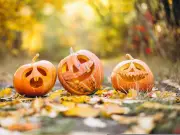
Leftover Pumpkins: Don't Risk £5,000 Fly-Tipping Fine
Dumping leftover Halloween pumpkins in UK woodlands is fly-tipping, punishable by fines up to £5,000, as it harms wildlife and spreads disease.

Dumping leftover Halloween pumpkins in UK woodlands is fly-tipping, punishable by fines up to £5,000, as it harms wildlife and spreads disease.
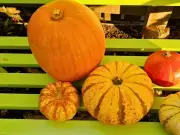
Gardeners are urged to repurpose leftover Halloween pumpkins as bird feeders this November, providing vital nutrition for wild birds as natural food sources decline.
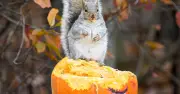
Leaving carved pumpkins in parks or woodland after Halloween can trigger a £5,000 Fixed Penalty Notice, as fly-tipping rules apply to abandoned gourds.
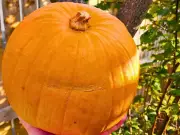
Feeding wild birds in November is vital, and a simple homemade pumpkin feeder can attract robins, blackbirds, and more to your garden.
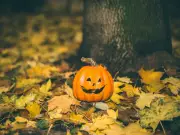
Charities urge people not to leave pumpkins in forests, warning they can harm wildlife and lead to fines of up to £50,000.
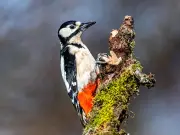
Putting out unsalted peanuts in November can attract robins and woodpeckers to your garden. Bird food specialists Haith's recommend offering unsalted peanuts, which are rich in fats, oils and protein, to help birds survive winter.
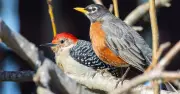
Offer unsalted peanuts in a mesh feeder this November to attract robins and woodpeckers, says Haith's, while avoiding salted human snacks that are dangerous for birds.
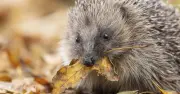
Baby hedgehogs, or hoglets, need extra feeding this autumn to reach the 450g minimum weight required to survive winter hibernation, British Hedgehogs advises.
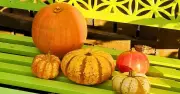
Gardeners are urged not to bin Halloween pumpkins, as leftovers can be turned into a 10-minute homemade bird feeder to help wild birds this November.
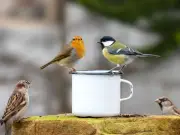
From November 1, gardeners can resume feeding seeds and peanuts to attract robins and goldfinches, as winter lowers trichomonosis risk, says the RSPB.
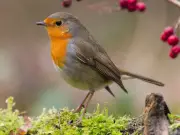
Placing apple slices outdoors in November can help keep robins visiting your garden, according to bird feeder firm Kingsyard Official.
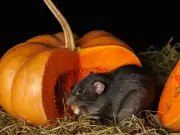
Pest control experts warn discarded Halloween pumpkins could attract rats into homes as colder weather drives rodents to seek warm shelter and food.
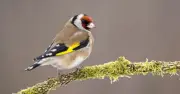
From November 1, gardeners can feed robins and goldfinches seeds and peanuts in hanging feeders, as advised by the RSPB and an ornithologist, until April 30.
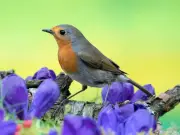
Robins can be drawn to your garden this November by adding apple slices to your bird feeder, according to Kingsyard Official, a bird feeder company.
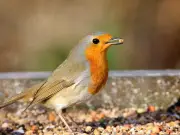
Robins and goldfinches will readily visit gardens if seeds and peanuts are placed in hanging feeders from November 1, following updated RSPB feeding advice.
The RSPCA warns deer are increasingly entering urban gardens and damaging plants. Physical barriers are advised as the only real defence.
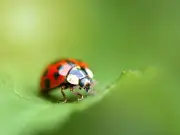
Harlequin ladybird swarms are invading UK homes, with reports of hundreds in the Midlands, Yorkshire and Greater Manchester. They carry STDs, but experts say these cannot be transmitted to humans.

Harlequin ladybirds carrying a sexually transmitted fungus are swarming UK homes, with experts confirming the disease poses no danger to humans.

Harlequin ladybirds, which can carry STDs, are invading UK homes in large numbers. Experts reassure the diseases cannot pass to humans and advise sealing windows.
Over 107,000 species are traded globally, more than double previous estimates, a new study finds, warning current monitoring is inadequate.
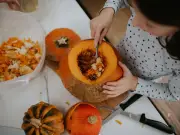
Waste experts urge proper pumpkin disposal as 15.8 million squashes risk being wasted, harming wildlife and the environment this Halloween.
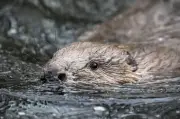
A licence has been granted to reintroduce beavers to waters around Loch Ness, 500 years after they were last recorded there, with up to 15 family groups planned.
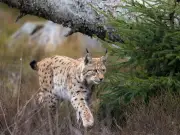
Lynx UK Trust has lost a High Court challenge over Natural England's refusal to assess a trial release of three lynx into Kielder Forest, with a judge ruling the Dangerous Wild Animals Act 1976 continues to apply to the species.
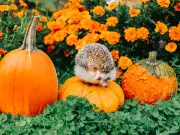
Waste experts urge households to dispose of Halloween pumpkins correctly, warning that careless discarding could harm hedgehogs and cause food waste.
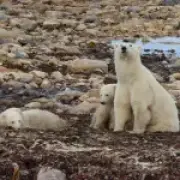
Conservation group Polar Bears International is testing AI-powered doorbell cameras, called Bear-vision, to provide early warnings of approaching polar bears in Churchill, Manitoba.
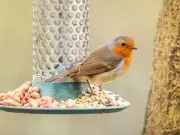
Robins face high mortality in autumn, but repositioning feeders to sheltered spots near shrubs can boost their survival chances.
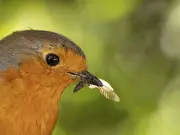
Gardeners' World advises feeding robins calorie-rich peanuts, sunflower hearts and suet products this winter to help them survive cold nights and prepare for mating season.
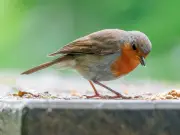
Gardeners' World advises putting out calorie-rich peanuts, sunflower hearts and suet to help robins survive cold winter nights and prepare for breeding.
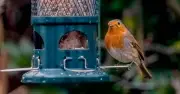
Robins face high mortality in autumn, but placing bird feeders in sheltered, secluded spots—not exposed areas—can significantly boost their survival chances, says Beaky Bites.
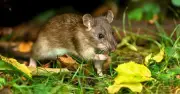
Leaving carved pumpkins outdoors this Halloween can lure rats and mice into gardens and homes, warn pest control experts at Pests UK.