1926 Gamekeeper Debate: Are Weasels and Stoats Allies or Foes?
1926 Debate: Should Gamekeepers Preserve Weasels and Stoats?

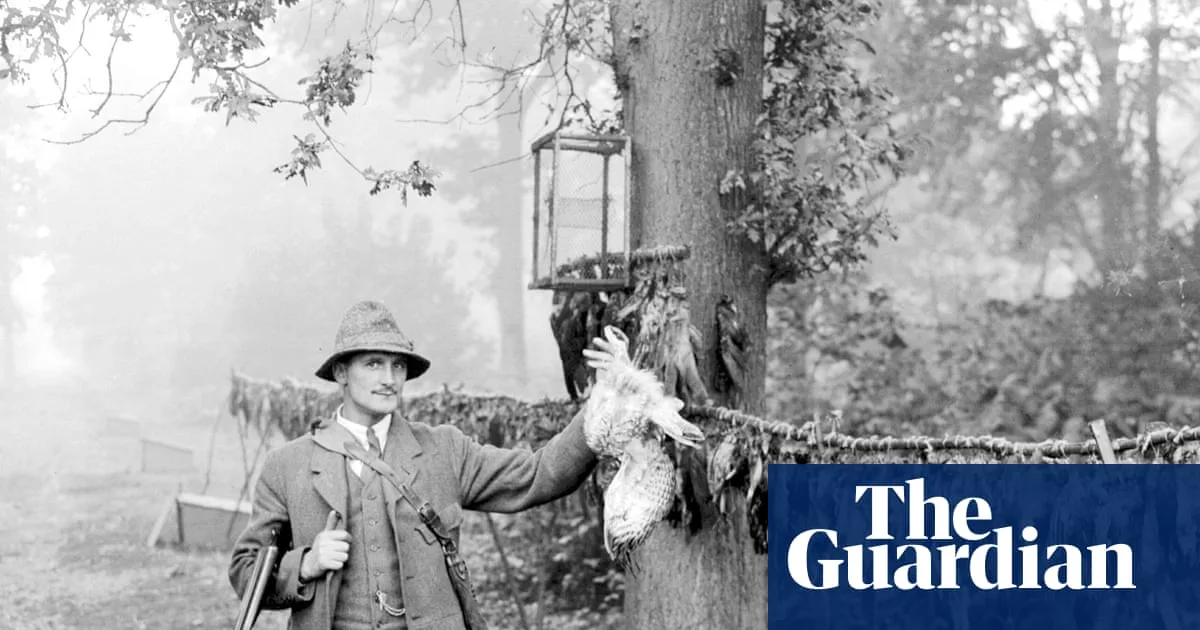
In the rural landscapes of 1926, a country gamekeeper, clad in traditional breeches and leather gaiters, stands beside his gibbet—a stark reminder of past practices. This scene, captured in a photograph from the Smith Archive, sets the stage for a pressing ecological debate from the era. The country diary of 12 February 1926 poses a critical question: Is the keeper wise to destroy weasels and stoats?

The Historical Context of Gamekeeping

We have moved beyond the "good old days" when transgressors were hung on gibbets as public warnings, yet gamekeepers continue this tradition with their perceived enemies. Notably, they rarely target poaching dogs or cats, often seen as property. Among the dry, almost unrecognisable corpses on display were three new victims: a magpie, a weasel, and a dog stoat. While many advocate for birds, few speak up for these small carnivores, often labelled as bloodthirsty and game-destroying.

Ethical and Economic Considerations

The diary urges readers to look beyond ethics, though opinions on the ethics of sport abound, and focus on the economic aspect. Game-preservers often offer bounties for all "vermin" captured, explaining why stoats and weasels are found tailless—yet no such reward exists for rat tails. This highlights a paradox in wildlife management.

Everyone knowledgeable about game-rearing acknowledges that the brown rat is the worst enemy to contend with. Simultaneously, those familiar with the habits of stoats and weasels understand that these predators help control rat populations. The diary argues that if weasels and stoats were allowed to thrive, the game they might destroy would be fewer than the game they preserve by eliminating rats.

The Farmer's Perspective

Although statistical proof is lacking, the author contends that farmers would benefit from this approach. Most people are concerned with farm crops, and preserving these carnivores could lead to healthier agricultural yields by reducing rat infestations. This perspective challenges traditional gamekeeping methods and calls for a reevaluation of predator roles in rural ecosystems.

The debate, rooted in a 1926 country diary, remains relevant today, underscoring the delicate balance between conservation and sport. It invites reflection on how historical practices influence modern wildlife management and rural affairs.




