The dream of leveraging a stint on Married At First Sight into a sustained and profitable career is rapidly diminishing, according to industry experts. A leading public relations strategist has issued a stark warning, stating the hit reality series has grown so toxic that most participants are fortunate to remain in the public eye for more than a few months after their season airs.
The Toxic Spotlight: Why MAFS Fame Is Fleeting
Public relations expert Adrian Falk contends the programme has veered deeply into controversy, severely damaging the credibility of those who take part. He argues the show, once marketed as a genuine social experiment about love, has devolved into a circus prioritising shock value and social media metrics. "It has become a zoo for the most amount of followers," Falk told Daily Mail Australia. "Once you have been part of that environment, it is incredibly difficult to rebuild your image. The audience moves on fast and brands are hesitant to align with that kind of chaos. It is short-lived fame at best."
This analysis is supported by the revelation that while a select handful of brides and grooms have successfully monetised their notoriety, the overwhelming majority fade into obscurity almost immediately after their season concludes. The dynamic has created what insiders now refer to as an unofficial 'MAFS rich list', highlighting the stark divide between the few winners and the many who return to ordinary life.

The MAFS Rich List: Who Turned TV Fame into Fortune?
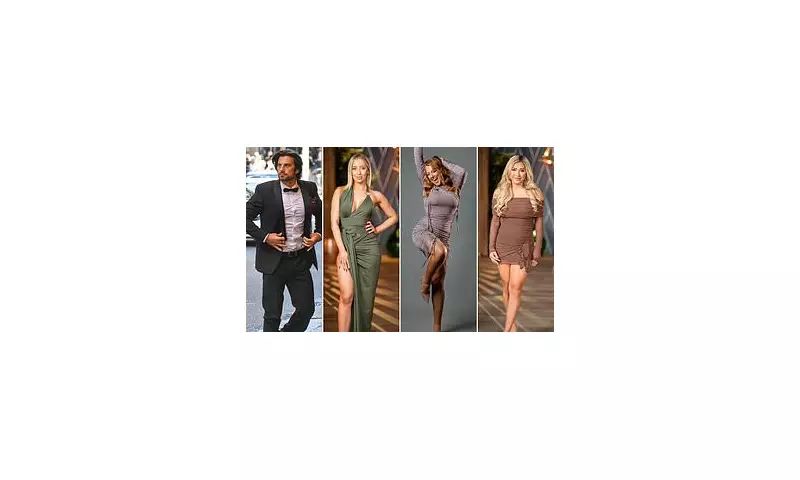
Despite the challenging environment, several contestants have managed to convert their brief television exposure into significant earning power. Bride Katie Johnston transformed into a full-time wellness figure, securing a rumoured six-figure partnership with protein brand Glo-Up1. The deal reportedly earns her around $8,000 per month and has established her as a motivational speaker focusing on self-love.
Fellow bride Jamie Marinos emerged as one of the season's top earners by landing a major commercial partnership with Lynx. The dating show-style campaign went viral online and paid her more than $40,000, aiding her transition to a full-time digital personality. She has further boosted her income through club hosting, earning approximately $30,000 from event appearances.
Other financial successes include bride Awhina Rutene, who has nearly made six figures from brand partnerships post-show. However, the standout financial success story is groom Eliot Donovan. Through relentless work, he has completed over 30 brand deals for companies like Hugo Boss and Chemist Warehouse, earning between $5,000 and $20,000 per sponsored post. He also launched a successful online coaching platform, Beachbodies.au, generating an estimated $60,000 to $100,000, and earned a further $40,000-$50,000 from nightclub appearances.
From Netflix to Niche Ventures: Alternative Pathways
Some contestants have found success outside the traditional influencer model. Controversial groom Adrian Araouzou and his twin brother opened the Sauci Pasta Bar in Melbourne after the series aired, with the restaurant pulling in over $100,000 in its first few weeks. In a landmark move beyond Australian television, groom Dave Hand made franchise history by becoming the first MAFS participant to secure a Netflix role, appearing on season four of Perfect Match for a reported five-figure sum.
However, these successes are the exception. Many other participants, such as ex-wives Veronica Cloherty and Lauren Hall, returned to regular 9-5 jobs. Groom Billy Belcher made minor earnings from appearances before resuming work as a plasterer. Former bride Carina Mirabile walked away from the spotlight entirely to work in her family's business, while groom Ryan Donnelly returned to plumbing after his on-screen marriage collapsed.

Falk summarises the current state of the franchise: "In the early years the show created real stars, people the public genuinely rooted for. Now it is about who can go viral. It is fame without foundation." He believes that unless the show returns to authenticity, it will continue to produce contestants who burn brightly for a moment before fading away, concluding bluntly: "Until the show shifts back to authenticity, it will stay a zoo. And no one makes it big living in a zoo."