
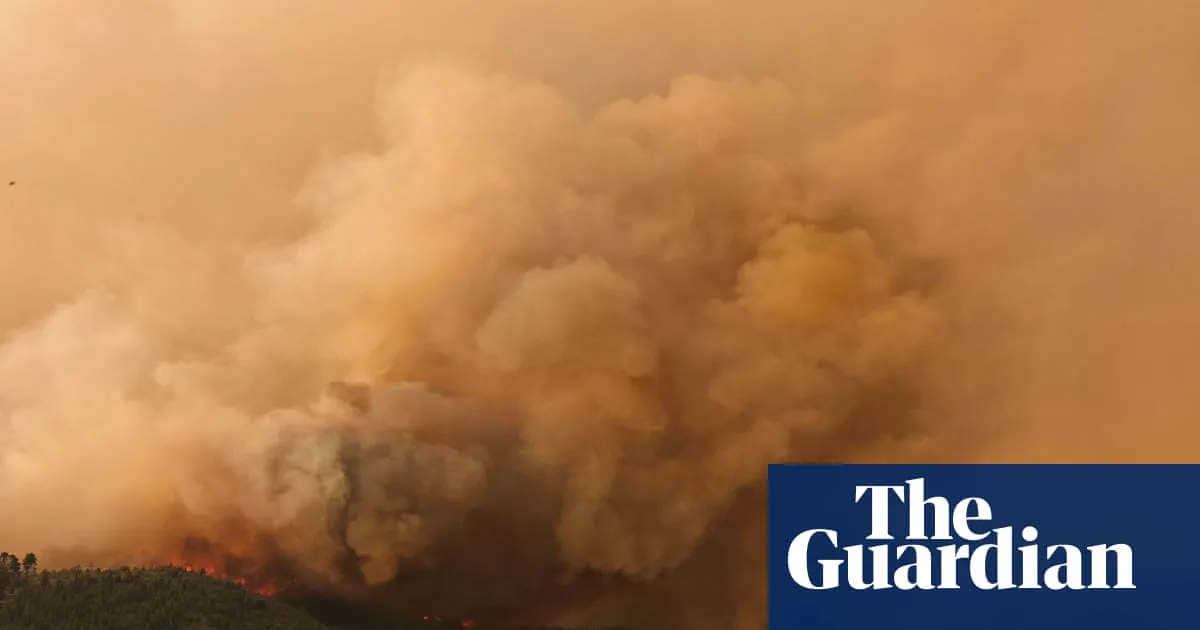
Wildfires that devastated parts of Chile and Argentina in January, killing 23 people and destroying some of the world's oldest trees, were made about three times more likely by global heating, scientists have found. Researchers from the World Weather Attribution (WWA) consortium said the hot, dry and windy conditions that enabled the fires to spread were significantly exacerbated by human-caused carbon emissions.
In Chile, the regions of Biobío and Ñuble were declared in a “state of catastrophe” in mid-January after severe wildfires killed 23 people, destroyed more than 1,000 homes and forced 52,000 people to flee. The fires were driven by temperatures exceeding 37C and strong winds. The situation was worsened by non-native tree plantations that are more flammable than native trees, according to Mauricio Santos-Vega of the Red Cross Red Crescent Climate Centre.
In Argentina, wildfires broke out in early January, affecting the Unesco-listed Los Alerces national park in Patagonia. The park is home to ancient alerce trees that can live for more than 3,000 years. Dr Juan Antonio Rivera of the National Scientific and Technical Research Council in Mendoza said: “Ancient forests were devastated, as was the unique biodiversity in the area. These are ancient giants that have stood undisturbed for thousands of years.” He added that large budget cuts to fire management services by the government of President Javier Milei, who has called the climate crisis a “socialist lie”, worsened the damage.
The study found that rainfall in early summer is now 25% lower in Chile and 20% lower in the affected region of Patagonia due to climate change. Dr Clair Barnes of Imperial College London said: “Our analysis shows a clear and dangerous fingerprint of climate change on these fires. By burning fossil fuels, we have essentially loaded the dice, making the conditions for these devastating blazes more likely.” The scientists warned that the supercharging of extreme weather will continue until humanity stops burning fossil fuels.




