
UK Could See Hottest Day Ever With 41C Heatwave
The UK may experience its hottest day ever as new forecasts predict temperatures could reach 41C in early July, potentially breaking the current record of 40.3C set in 2022.

The UK may experience its hottest day ever as new forecasts predict temperatures could reach 41C in early July, potentially breaking the current record of 40.3C set in 2022.

Weather maps show a 41C heatwave days away, with 18 English counties potentially surpassing 40C, possibly breaking the UK record of 40.3C set in July 2022.

New weather maps indicate a 35C heat blast could hit Britain on July 9, following a record-breaking June day of 37.1C. High pressure is expected to build across England and Wales.
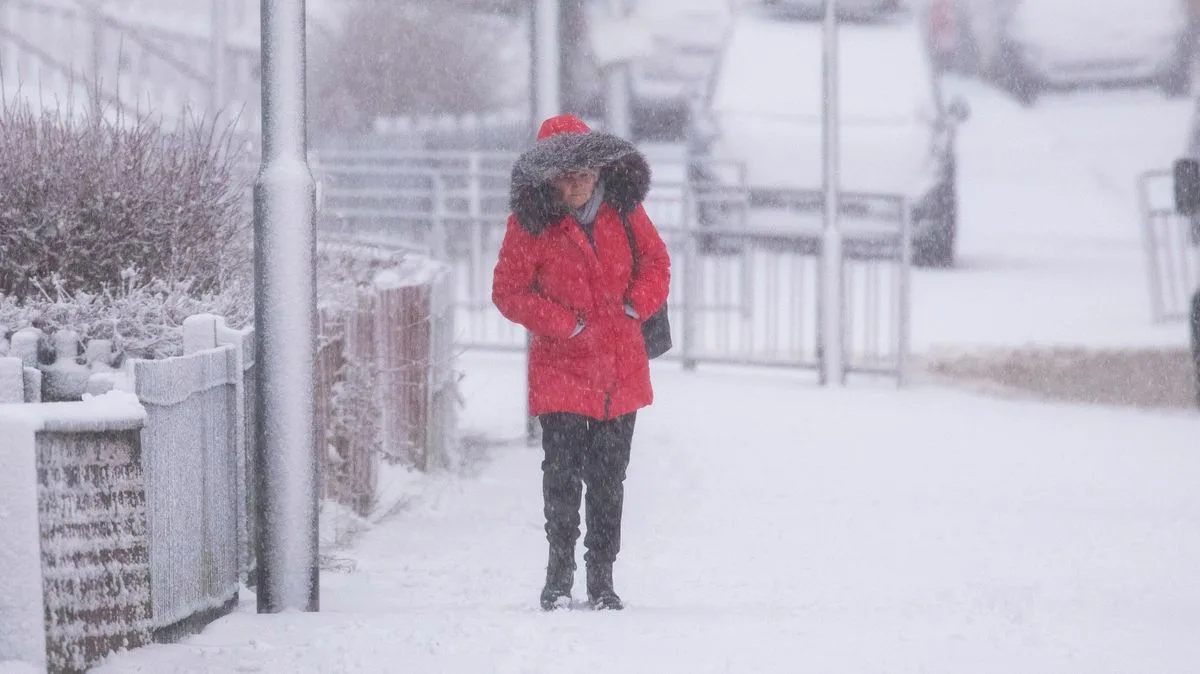
Met Office confirms up to 7 inches of snow to hit Scottish highlands tonight, first significant snowfall of the year. Temperatures plunge to 1C in eastern England.

London to be hotter than Barcelona with temperatures reaching 22C, bringing early summer warmth to the capital.

Met Office issues yellow wind warning for England and Wales with gusts up to 80mph, heavy rain, and transport delays expected this weekend.

Magnitude 7.0 earthquake hits remote Alaska-Yukon border; no injuries or damage reported, but felt widely.

Met Office forecasts temperatures up to 32°C in late June, but says it won't match May's record heatwave. UV and pollen levels will be high.

UK records hottest April day since 1946 with 26.5C in London, but cooler weather expected soon.
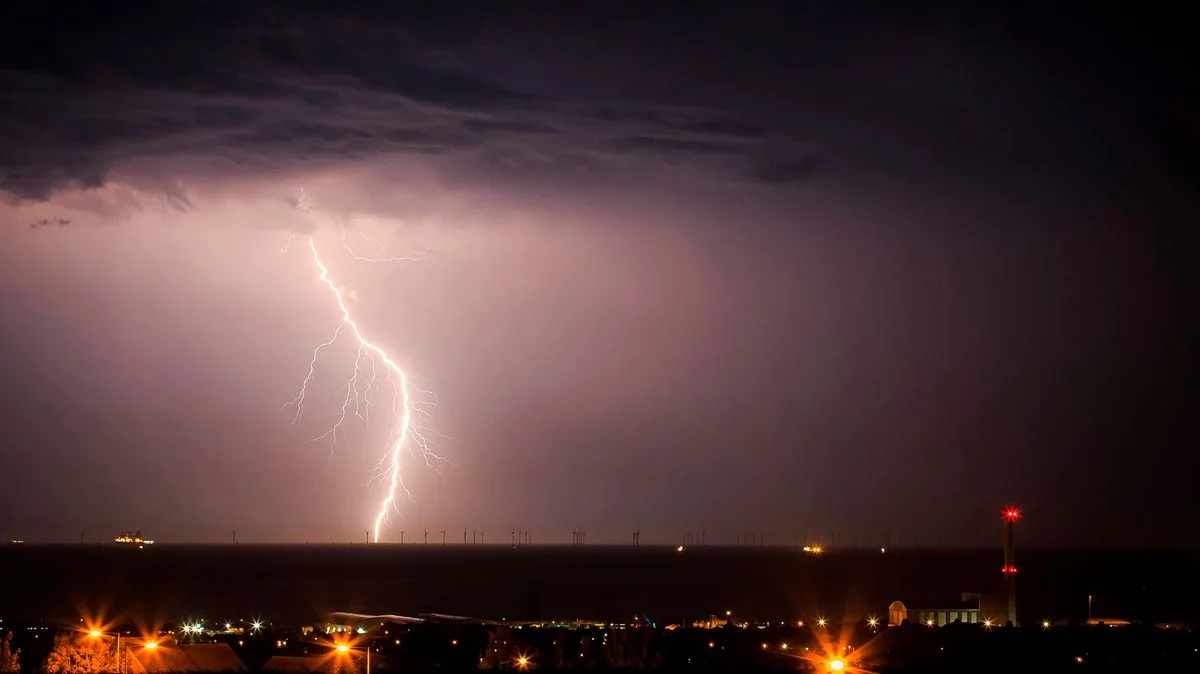
Met Office issues yellow thunderstorm warning for London and parts of England, with risks of lightning, hail, and flash flooding until 9pm.
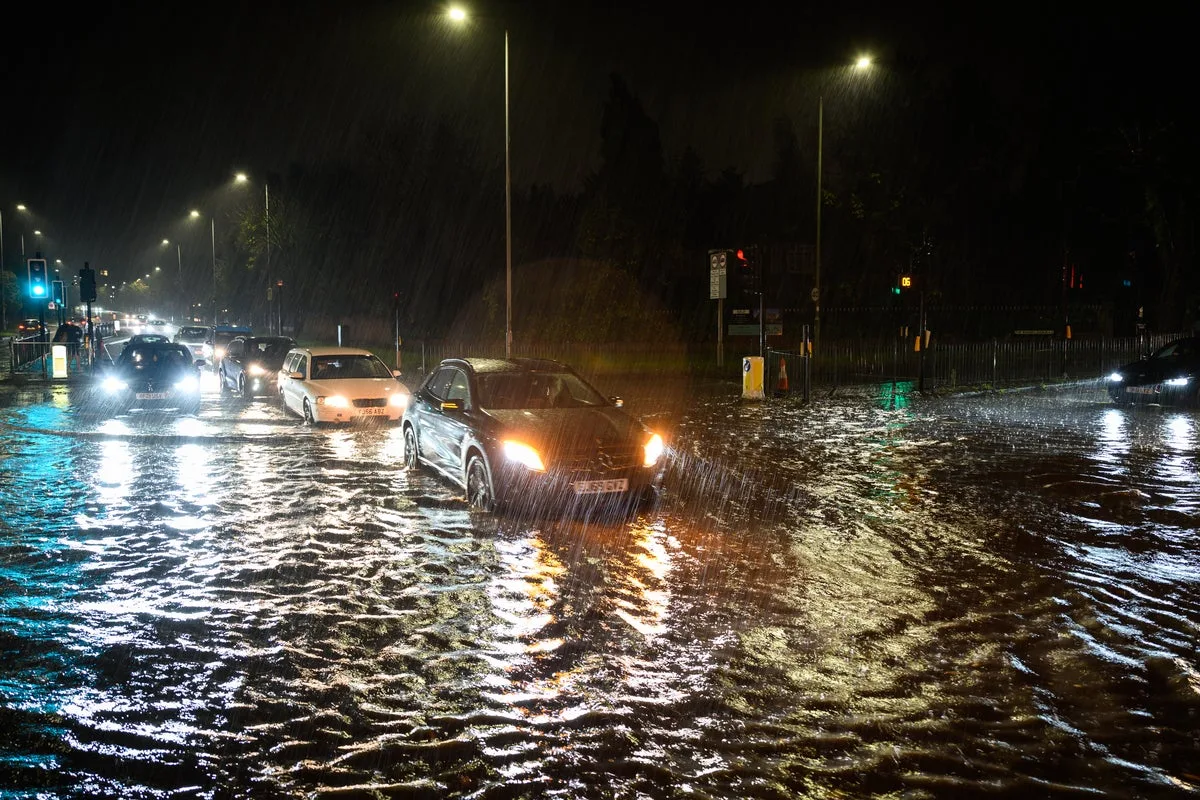
Met Office issues yellow thunderstorm warnings for southern UK, with up to 40mm rain expected overnight after London flash flooding.

After days of sweltering temperatures, the Met Office predicts a significant cooldown in Greater Manchester this weekend, with highs dropping from 28C to 21C by Sunday.

The UK heatwave is set to end as temperatures plunge to 13C in some areas. The Met Office forecasts a gradual shift this weekend, with the south-east retaining warmth longest.
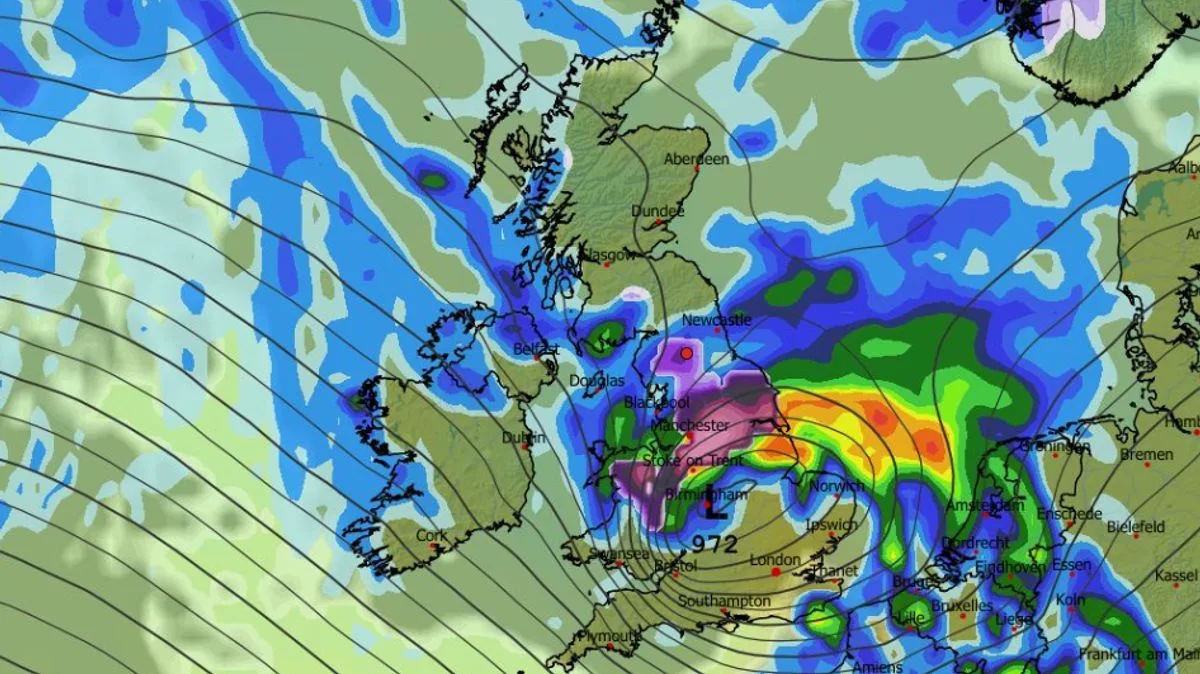
Twin Arctic storms to bring snow and rain across UK from December 4, with up to 10cm of snow in some areas.

Australia's east coast faces cold snap with below-average temps, frost, snow, and damaging winds up to 120 km/h.
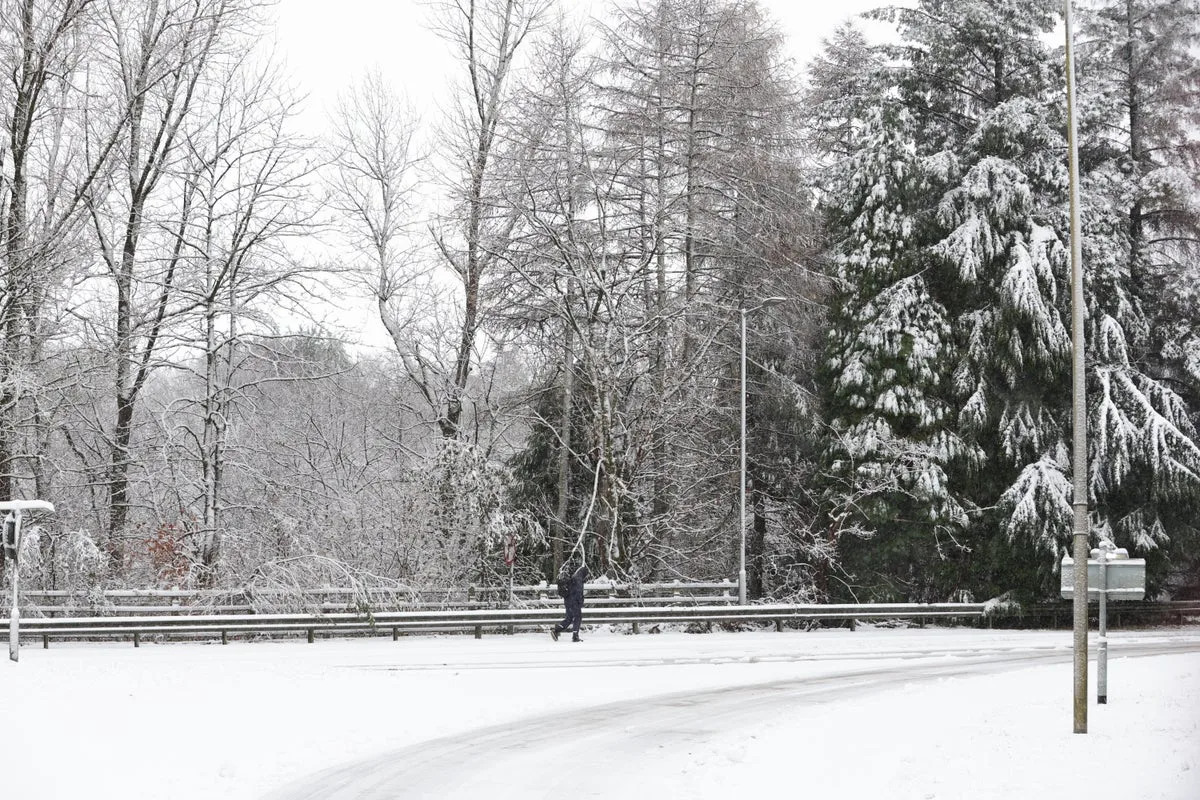
Met Office warns of snow and -7C frost next week as cold weather follows storms.

A 6.1-magnitude earthquake struck Osaka, Japan, killing three people and injuring over 200 during morning rush hour.
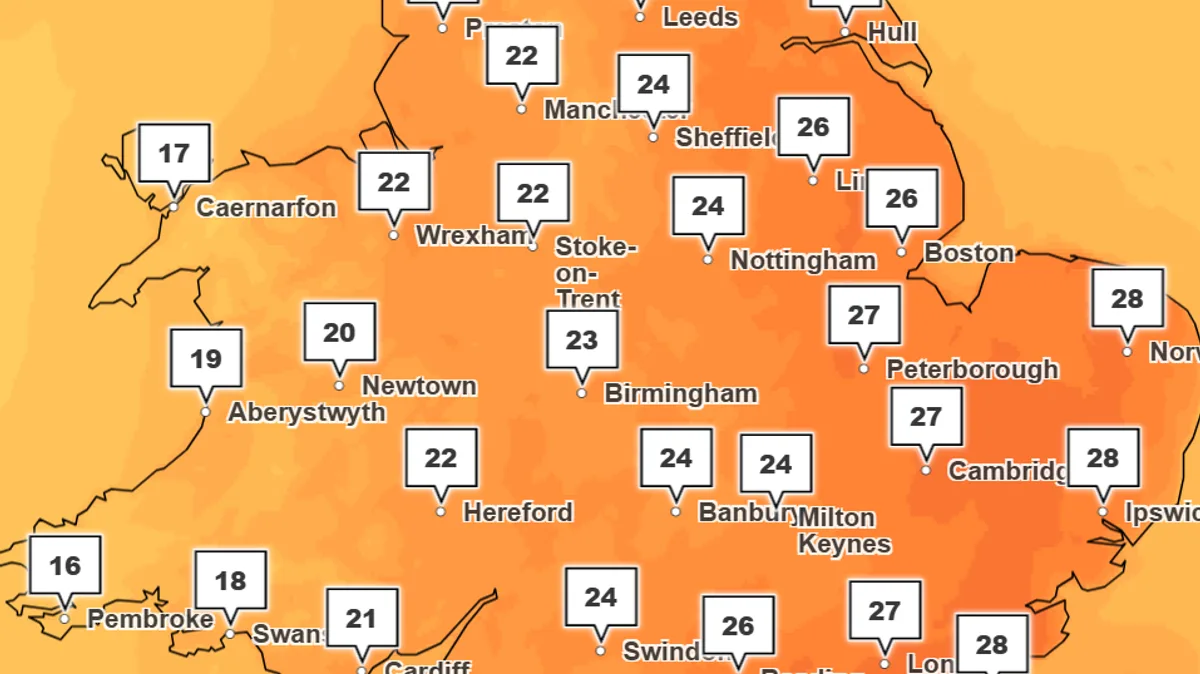
UK temperatures to exceed Ibiza's this week, but Met Office warns of thunderstorms and heavy rain, especially in Wales.

Professor Ron Maughan says water alone isn't ideal for hydration; milk, fruit juice, or even pizza with water can be more effective due to salt content.

Europe faces colder early winter due to La Niña, UK gas shortage risk high, Ofgem warns of potential supply emergency.
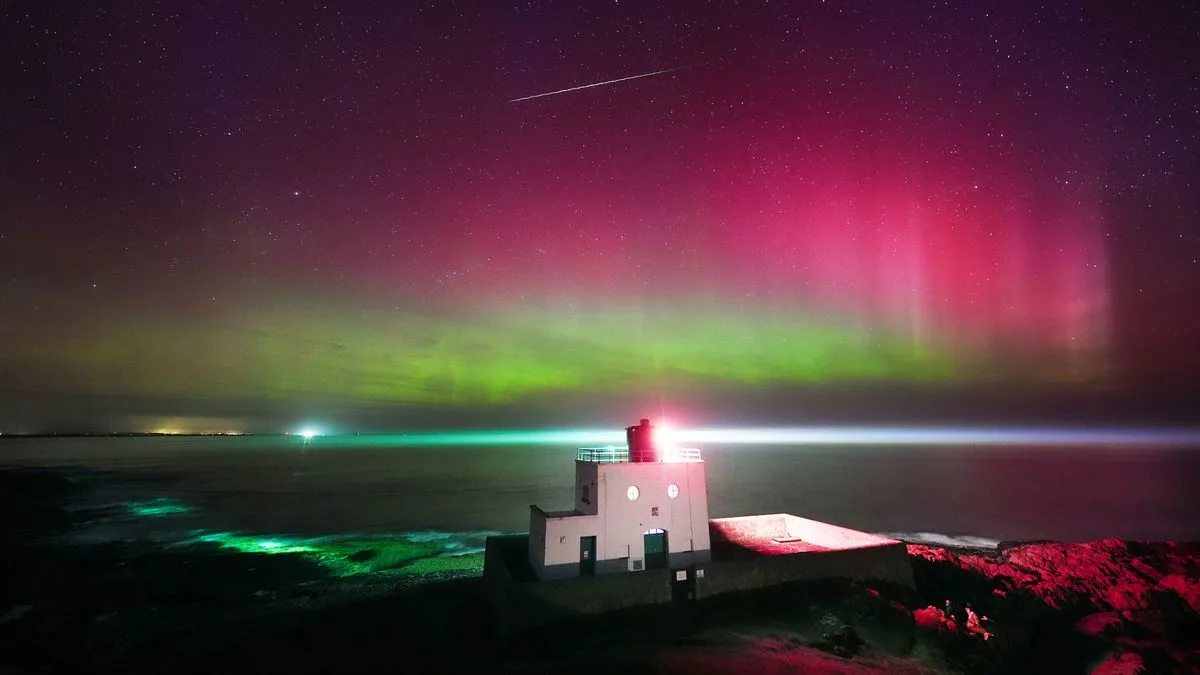
Northern Lights could be visible in UK skies tonight after weekend displays, with Met Office forecasting enhanced geomagnetic activity.
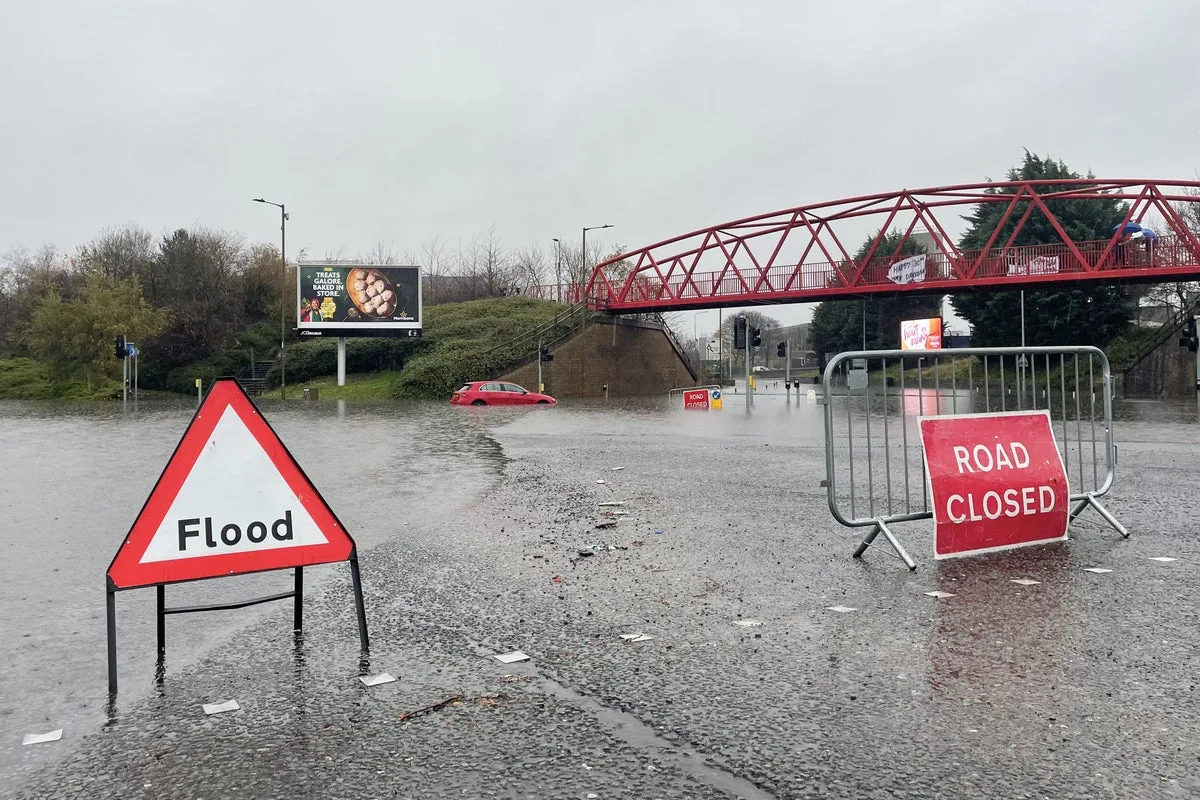
Met Office issues amber and yellow warnings for heavy rain and flooding across Scotland, Northern Ireland, south Wales, and south-west England.
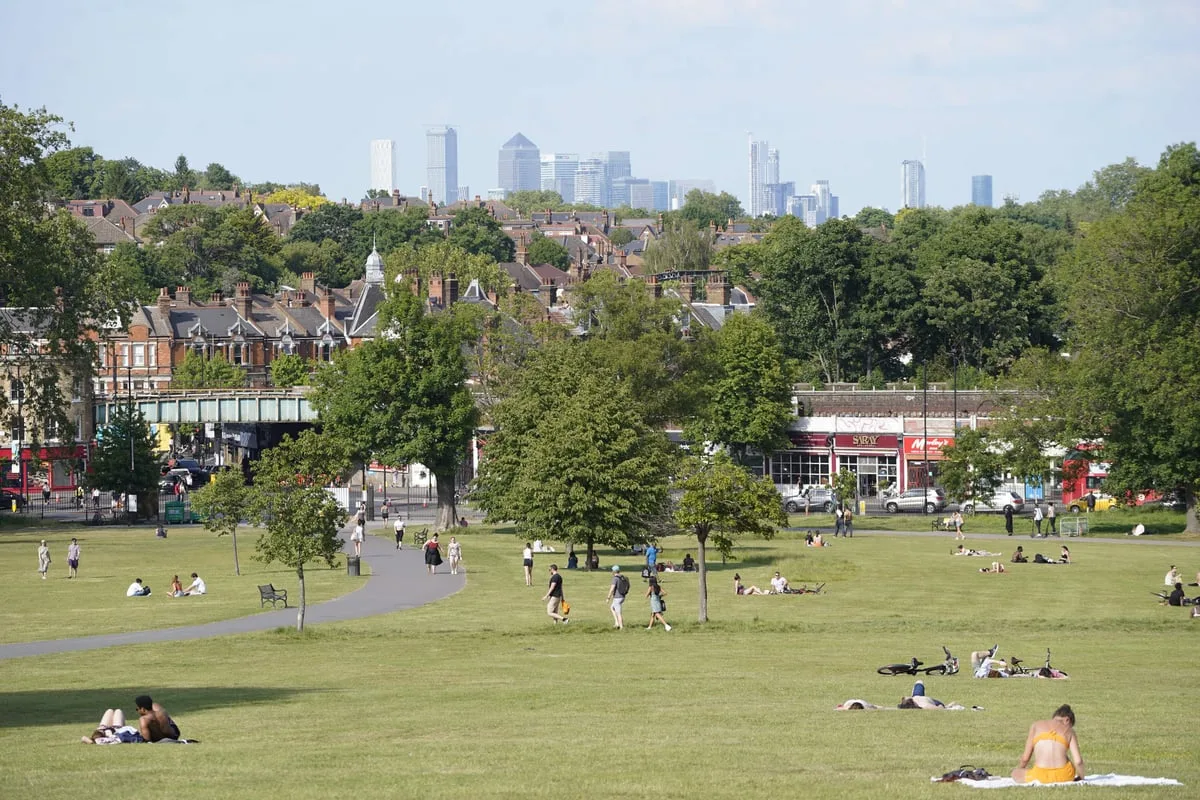
London to be hotter than Barcelona as UK sees warmest day of year so far, with temperatures near 20C.

The Met Office has implemented rare emergency protocols as a heatwave pushes temperatures to 40C. Relief arrives Sunday with a 15C drop, ending the extreme heat.
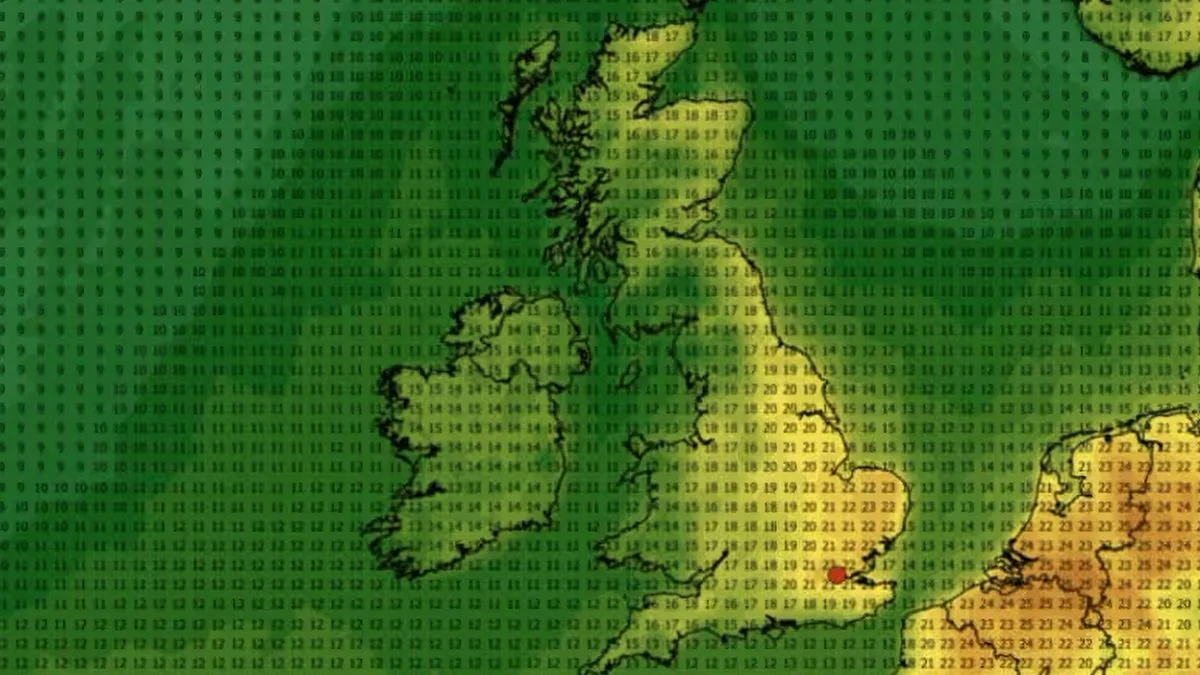
UK to enjoy 23C heatbomb on May 1, with warm weather continuing into early May. London and East England hottest.

A 4.1 magnitude earthquake hit Spain's Costa del Sol near Fuengirola, felt as far as Cordoba, with no injuries reported.
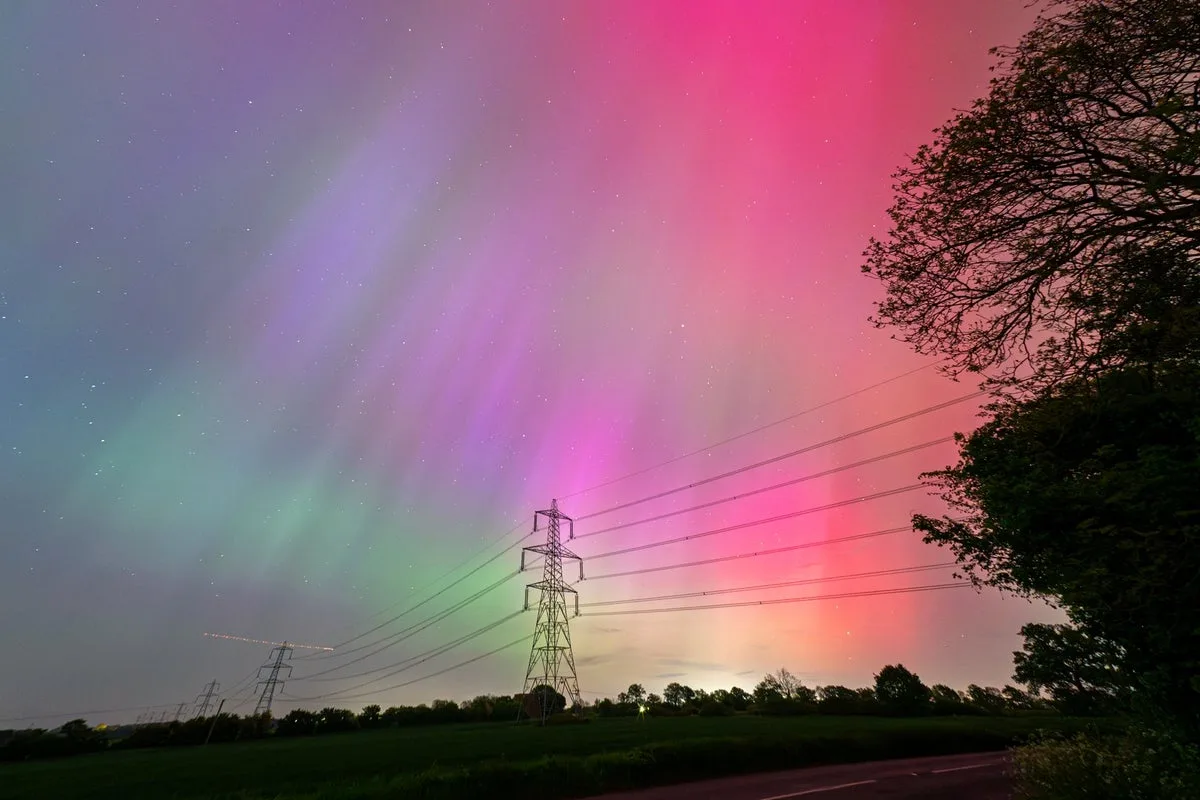
A 'cannibal' solar storm will bring northern lights to UK as far south as Birmingham and Norwich from Monday night, says Met Office.

UK snow map shows four counties bracing for freezing temperatures and snow next week, with Scotland and Wales hit hardest.
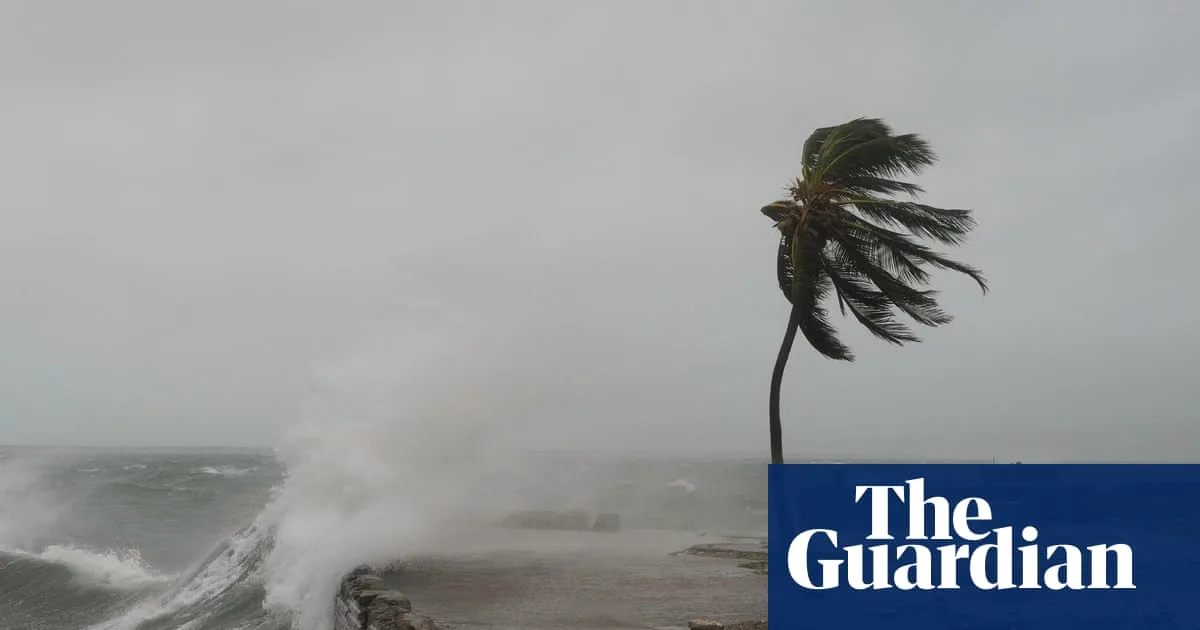
British nationals in Jamaica criticise lack of travel warnings before Hurricane Melissa hit, leaving them in lockdown and unable to return home.
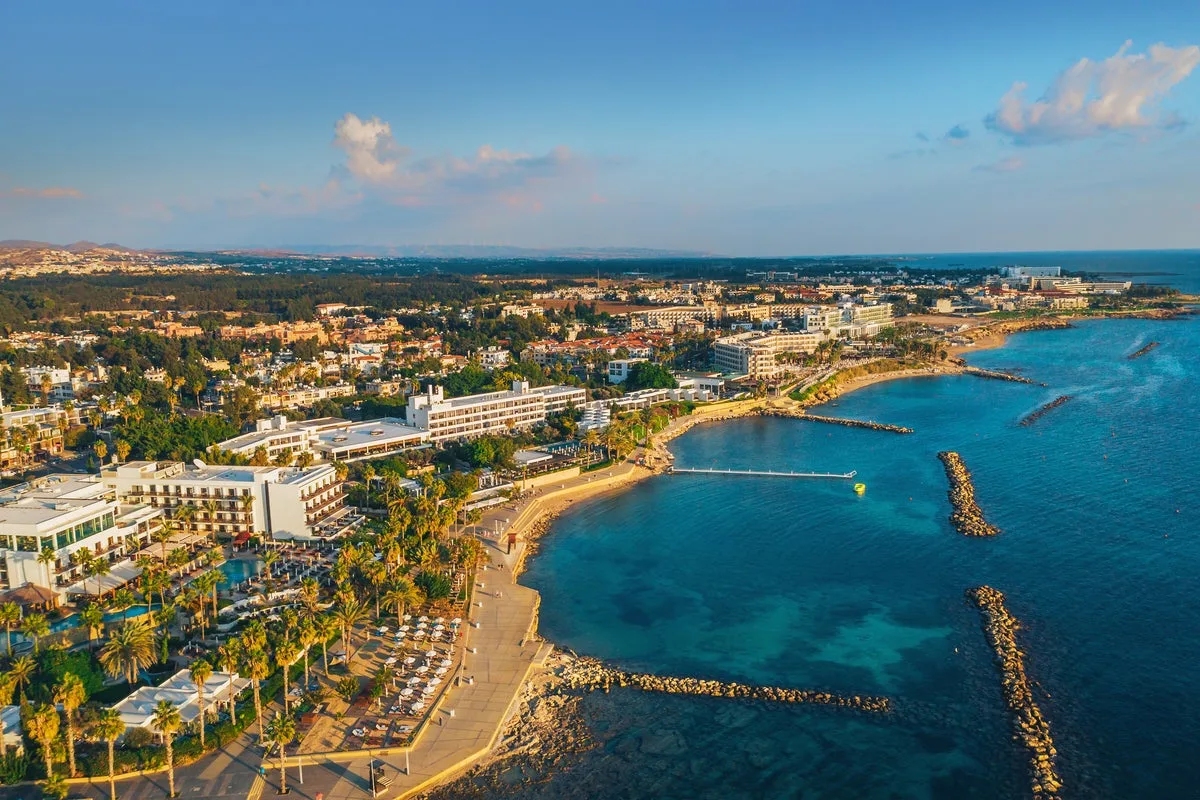
A 5.3 magnitude earthquake hit Cyprus near Paphos, felt in Lebanon, with no damage reported but buildings evacuated.