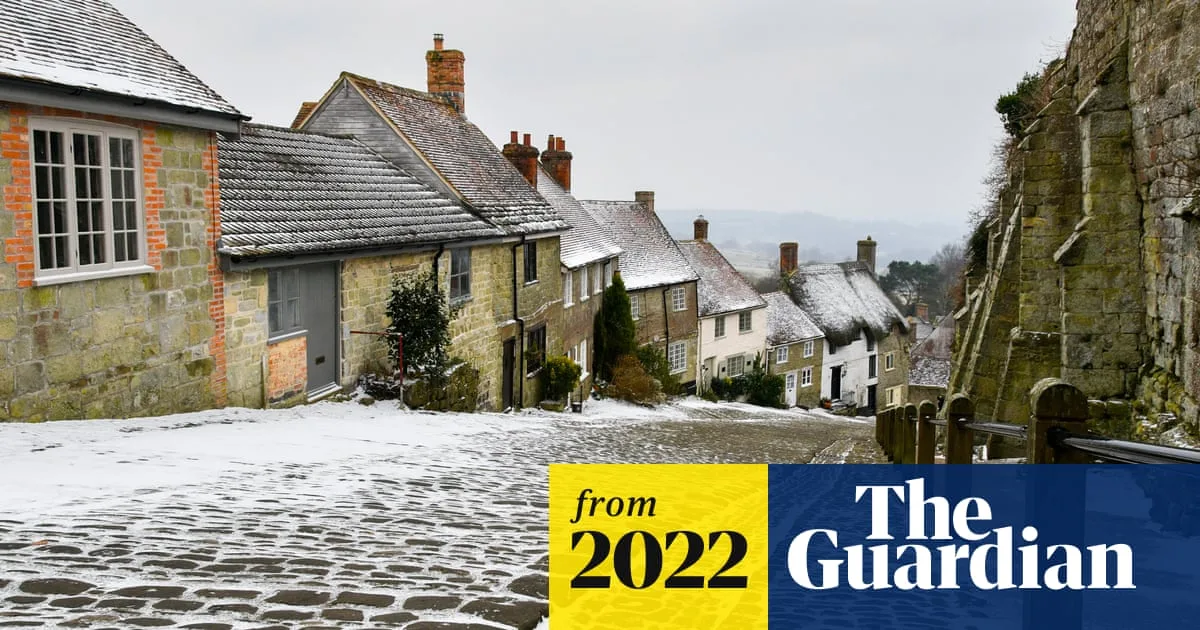
Europe is likely to face a colder, drier and less windy early winter, according to meteorologists, as the UK energy regulator warns of a 'significant risk' of gas shortages this winter. The European Centre for Medium-Range Weather Forecasts (ECMWF) says a cold snap in November and December is more probable due to the La Niña weather pattern, which could worsen the cost of living crisis.
Carlo Buontempo, director of the Copernicus Climate Change Service, explained that La Niña tends to disrupt westerly winds, creating high pressure over Europe. 'In these conditions, there is a chance of easterly winds leading to lower than usual temperatures,' he said. However, he cautioned that more reliable data would only become available in three to four weeks.
Ofgem, the UK energy regulator, has warned of a 'significant risk' of gas shortages this winter, which could also affect electricity supplies. In a letter reported by the Times, Ofgem stated that due to the war in Ukraine and gas shortages in Europe, a gas supply emergency could force gas-fired power stations to close. Energy producer SSE has highlighted the large penalties generators face if forced to switch off.
Buontempo noted that if forecasts are correct, colder temperatures would increase reliance on gas, while stiller and dryer conditions would reduce wind and hydro-electric power contributions. Solar power, however, could be boosted. The only good news is that in a typical La Niña year, weather patterns tend to change in mid-winter to bring warmer westerly winds for the later half of the season.
Despite the warnings, the University of Reading's Department of Meteorology predicts that overall, this winter could be milder than average based on temperatures from November to February. Tom Morgan, a Met Office forecaster, said there is a 'possibility of a La Niña winter unfolding' but added that whether it results in a cold UK winter is still uncertain, as sea temperatures around the UK are well above average.