
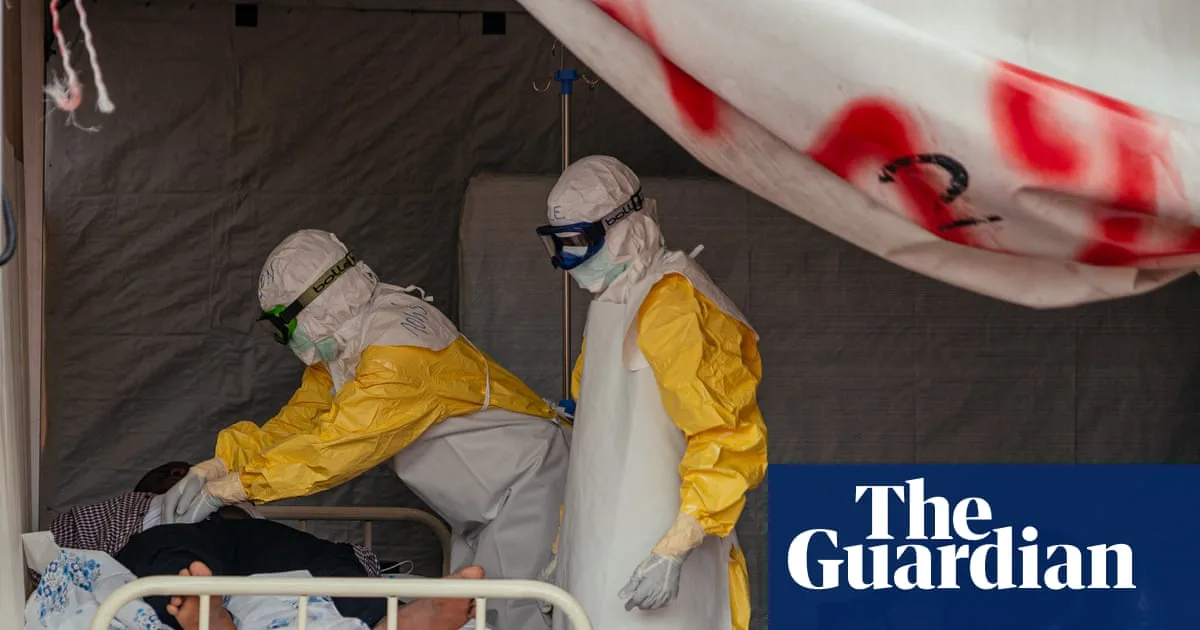
The Ebola outbreak in the Democratic Republic of the Congo (DRC) could have started as early as January, according to Dr Tedros Adhanom Ghebreyesus, director-general of the World Health Organization (WHO). He stated that the virus 'had a big head start' but that the response was catching up.
Since the outbreak was identified in mid-May, the Bundibugyo virus has caused 344 confirmed Ebola cases, including 60 deaths in DRC, and 15 confirmed cases, including one death, in neighbouring Uganda. Dr Tedros noted that treatment centres are now established across Ituri province, the most affected area.
Dr Tedros called on countries, such as the US, to lift blanket travel restrictions, which he said are disrupting supply chains and hindering the response. He also highlighted community mistrust and low contact tracing as key concerns, with only about 45% of contacts followed up. He emphasised the need to increase that figure to above 90%.
The number of suspected cases in DRC fell abruptly from over 1,000 to 116 as officials cleared a testing backlog. Dr Tedros said scaling up laboratory and diagnostic capacity in affected areas and neighbouring provinces and countries is a priority.
Community mistrust remains a serious barrier, with some leaders doubting Ebola's existence and fearing the response would divert resources from other services. There is no vaccine or treatment for the Bundibugyo strain, but Dr Tedros noted that six people in DRC and two in Uganda have recovered, showing survival is possible with early care.




