
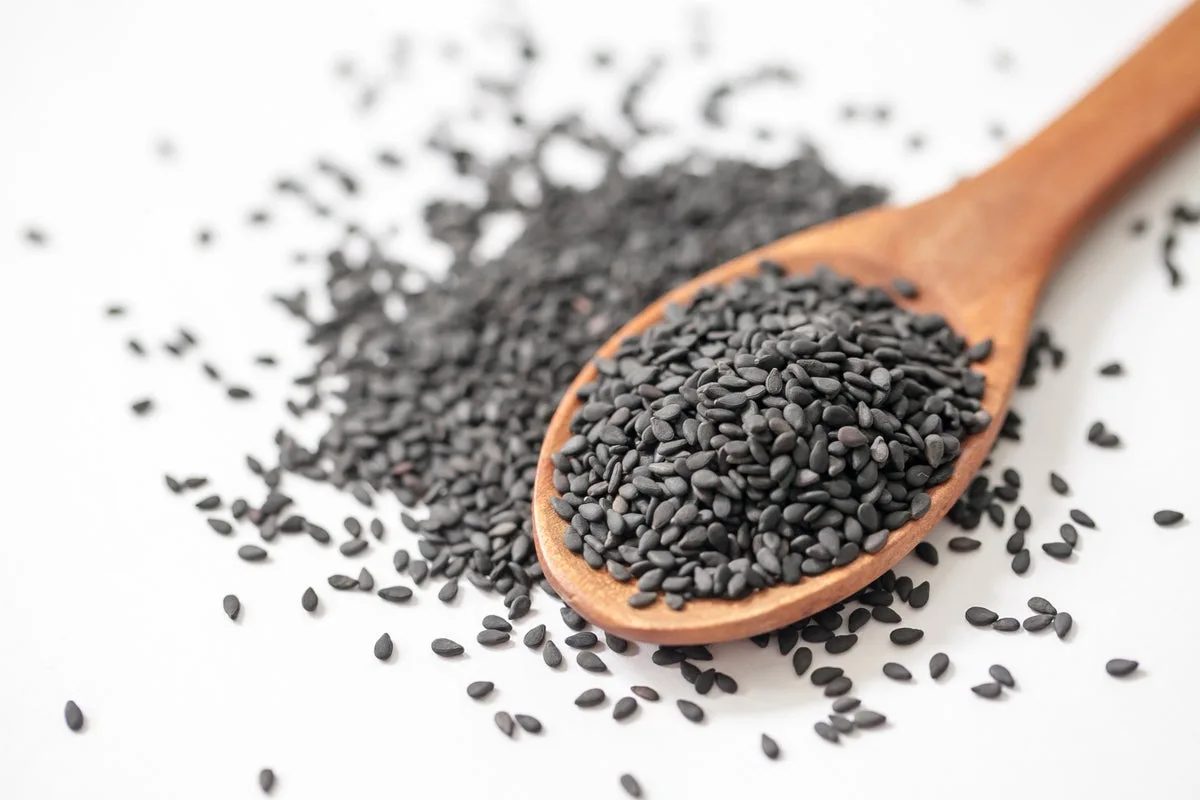
Black sesame seeds have gone viral on social media, with claims they can reverse grey hair, reduce blood sugar, and lower heart disease risk. But what does the science say?
Black sesame seeds are indeed more nutrient-dense than white ones, containing higher levels of fat, protein, carbohydrates, and certain vitamins and minerals. However, these values are based on 100g servings, which is difficult to consume daily. Sesame seeds also contain anti-nutrients like oxalic and phytic acid, which can reduce mineral absorption.
While black sesame seeds have higher antioxidant levels, including phenols and lignans, the evidence for health benefits is weak. A systematic review of six studies found some reductions in BMI, blood pressure, and cholesterol, but the authors deemed the evidence low quality and could not make health recommendations.
Critically, no scientific studies have examined black sesame seeds' effect on hair colour. There is currently no evidence that any food or supplement can reverse grey hair. Sesame allergies affect 0.1–0.9% of the population and can cause severe reactions.
In summary, while black sesame seeds are nutritious, the viral claims about reversing grey hair are not supported by evidence. Enjoy them as part of a balanced diet, but don't expect them to turn back time on your hair colour.




