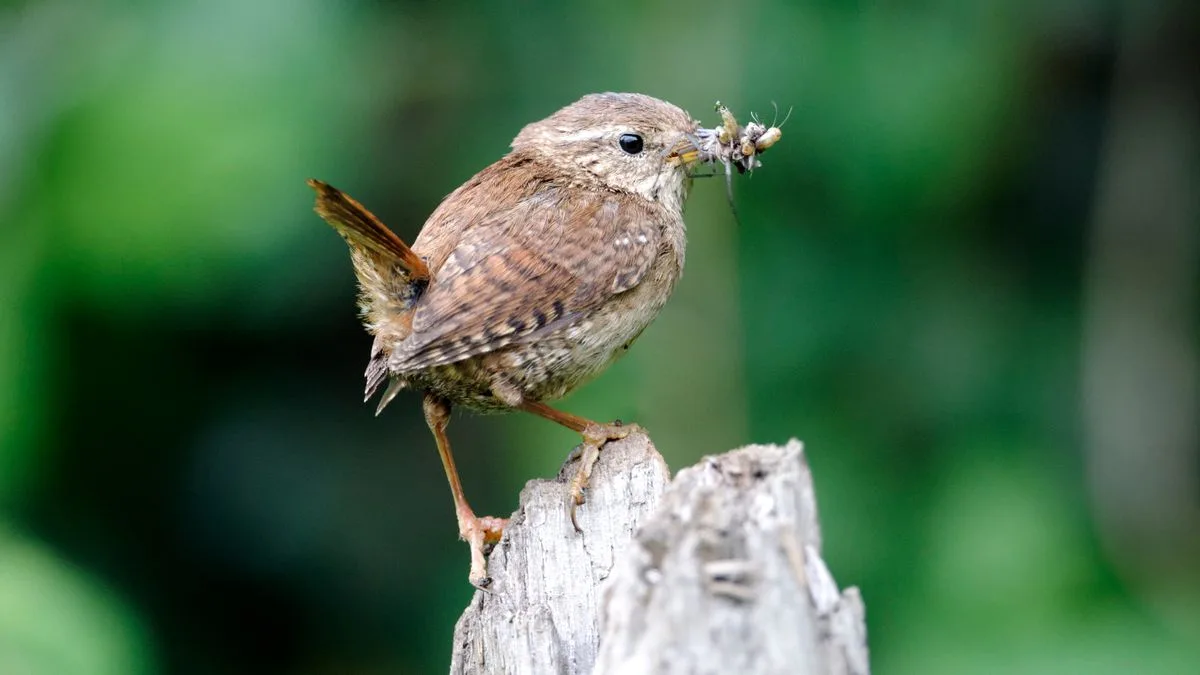
Gardeners across the UK are being urged to reconsider their use of a common product, with a leading expert warning it could be driving birds away from their gardens.
The Hidden Danger in 'Eco-Friendly' Products
David Fryer, Head of Technical at the renowned seed company Mr Fothergill's, has issued a stark alert about so-called 'eco' or natural sprays. Many people use these products believing they are making an environmentally conscious choice, but they may inadvertently be damaging the garden ecosystem they wish to nurture.
Mr Fryer explained that the issue lies in the impact on the food chain. "Even natural or 'eco' sprays can harm the insects and birds you want to encourage," he stated. The sprays, often made from plant-based oils, soaps, garlic, or pepper, are designed to target pests but can have unintended consequences.
How Eco Sprays Pose a Risk to Birds
Despite their green credentials, these sprays can be problematic for avian visitors in several key ways. Birds possess highly sensitive respiratory systems that are vulnerable to airborne particles and fumes from any spray, natural or otherwise.
Furthermore, birds can directly ingest harmful residues if they land on recently treated plants, eat sprayed insects, or drink contaminated water from puddles or bird baths. The advice is clear: to reliably attract and care for birds, gardeners should stay away from sprays altogether.
Creating a Truly Wildlife-Friendly Garden
Instead of reaching for a spray bottle, Mr Fryer advocates for a holistic approach. "Let your garden's ecosystem do the work," he advises. A balanced garden will naturally attract predators like ladybirds, hoverflies, and lacewings that manage pest populations.
He also recommends strategic planting to support wildlife through the seasons. For autumn, he suggests late bloomers such as Japanese anemones, asters, chrysanthemums, and sedum to provide crucial nectar for pollinators. For year-round support, he advises planting native hedging like hawthorn for berries and cover, and mixing spring bulbs with summer-flowering herbs and autumn ivy.
By fostering a natural balance and providing continuous food sources, gardeners can create a vibrant, bird-friendly haven without the need for potentially harmful interventions.