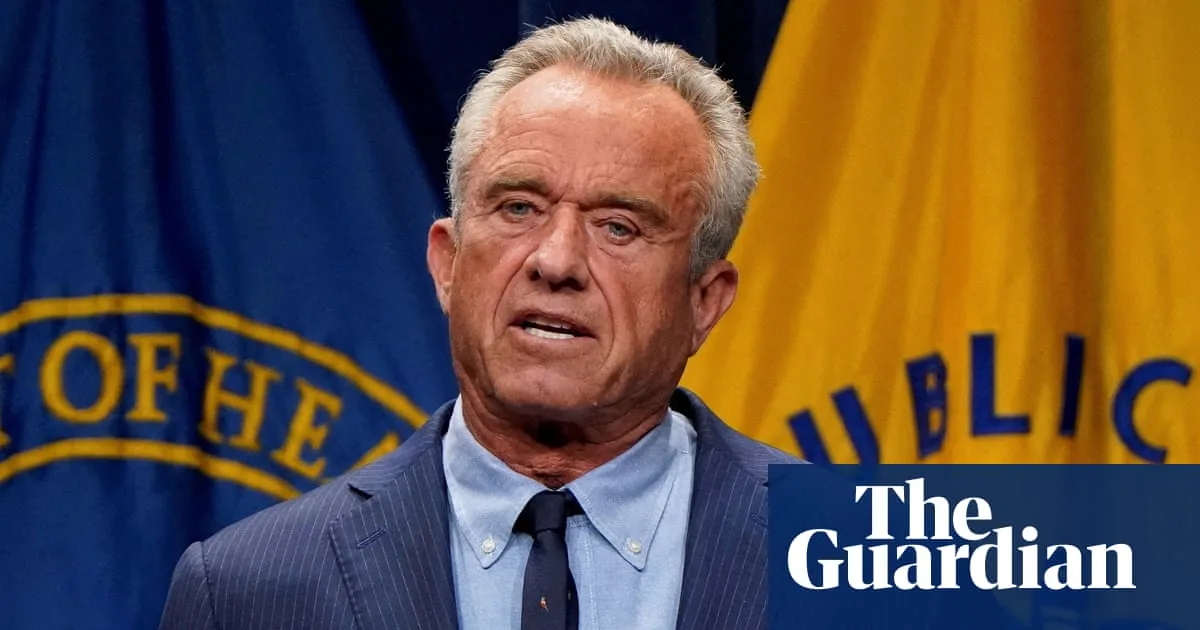
RFK Jr Targets Antidepressants Zoloft and Prozac in New Health Push
RFK Jr Targets Antidepressants in New Health Push

Health and Human Services Secretary Robert F. Kennedy Jr. is targeting antidepressants — including popular medications like Zoloft and Prozac — in his latest push to reduce Americans’ dependence on prescription drugs.

New Measures Announced

On Monday, the department announced a series of changes aimed at encouraging health care providers to help patients taper off drugs and consider nonpharmaceutical alternatives.

“Today, we take clear and decisive action to confront our nation’s mental health crisis by addressing the overuse of psychiatric medications — especially among children,” Kennedy, a longtime skeptic of psychiatric drugs, said in a press release.

Wide Pickt banner — collaborative shopping lists app for Telegram, phone mockup with grocery list

In a Dear Colleague Letter, the department urged physicians to make informed consent a priority and to routinely review the risks and benefits of psychiatric medications with patients. The letter also emphasizes nonmedication approaches, including psychotherapy, nutrition, physical activity and family support.

“We will support patient autonomy, require informed consent and shared decision-making, and shift the standard of care toward prevention, transparency, and a more holistic approach to mental health,” Kennedy said.

Kennedy’s Stance on Antidepressants

Kennedy, who has centered his agenda around his Make America Healthy Again movement, has emerged as an outspoken critic of antidepressants, describing them as overprescribed, under-scrutinized and harder to quit than heroin. He’s also linked them, without evidence, to school shootings.

His latest initiative focuses on serotonin reuptake inhibitors for anxiety and depression, which include Zoloft, Prozac, Lexapro and Paxil. The drugs quickly gained popularity after their introduction nearly four decades ago, in part because they caused fewer side effects than earlier antidepressants and could be prescribed by general practitioners, according to The New York Times. Many patients say the treatments have been beneficial, even lifesaving. But a significant number also report experiencing intense withdrawal symptoms and say they received little support from clinicians when trying to stop.

Today, nearly 17 percent of American adults are taking SSRIs, according to a 2026 study. And in recent years, the use of antidepressants has increased in most economically developed nations, including among children.

“The increasing consumption, coupled with potential underestimation of the balance between benefits and risks, poses a public health concern with long-term implications,” a 2025 study concluded.

Not a Complete Halt

Kennedy, a former environmental lawyer, emphasized that he is not seeking a wholesale halt to psychiatric drug use, but that they will no longer be treated as “the default.”

“Let me be clear: If you are taking psychiatric medication, we are not telling you to stop,” Kennedy told those gathered at the Mental Health and Overmedicalization Summit. “We are making sure you — and your clinician — have the information and support to make the right decision for you.”

Broader Context

His latest move builds on a series of prior Trump administration initiatives focused on mental health. In April, President Donald Trump signed an executive order aimed at accelerating research, review, and access to psychedelic drugs for serious mental illness. Earlier in the month, the White House released its annual budget request, which called for cuts to agencies overseeing mental health and substance disorder policies.

Pickt after-article banner — collaborative shopping lists app with family illustration