A Decade of Advocacy: The Struggle for Representation in Italian Fashion
For ten years, Michelle Francine Ngonmo has waged a determined campaign to elevate the profiles of Africans and people of colour within Italy's prestigious fashion industry. The Cameroonian-Italian founder of the Afrofashion Association has worked with an impressive 3,000 creatives since establishing her organisation, yet acknowledges the journey towards genuine inclusion remains steeply uphill.
Building Platforms Against Systemic Barriers
Ngonmo, now 38, established the Afrofashion Association precisely because she recognised what she describes as "a lack of representation of people like me" in Italian creative fields. Her multifaceted approach includes:
- Producing runway shows that showcase diverse talent
- Mentoring emerging designers through structured programmes
- Recognising achievements via the Black Carpet Awards launched in 2023
- Teaching fashion students and collaborating with African designers
Of those 3,000 individuals supported, Ngonmo confirms 92 have now established themselves in creative roles on what she terms "a sustainable professional path." This figure represents both significant progress and a stark reminder of how much work remains.

The WAMI Initiative and Fading Momentum
The Black Lives Matter movement sparked crucial conversations about representation within Italian fashion's influential design studios. Ngonmo collaborated with designers Stella Jean and Edward Buchanan to demand fashion houses move beyond expressions of solidarity to concrete action through their We Are Made in Italy (WAMI) initiative.
"At the time there was a reaction, indeed a very strong request to have to deal with creatives, especially Blacks in Italy," Ngonmo reflects. "And then slowly the curtain closed because the attention was no longer on that."
The fashion industry's economic crisis and dwindling diversity funding contributed to this fading spotlight, despite several prominent houses facing scandals over racially insensitive designs that highlighted systemic issues.
Institutional Support and Emerging Success Stories
Ngonmo now concentrates on partnerships with companies and institutions that have maintained their commitment. The Italian National Fashion Chamber, which backed WAMI, continues providing platforms for Black talents during Milan Fashion Week.
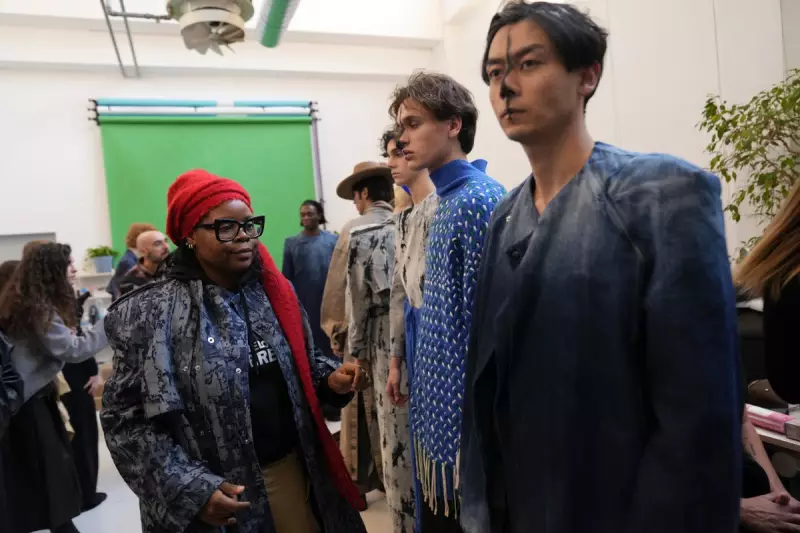
Ghanaian designer Victor Reginald Bob Abbey-Hart represents one such success story. His brand Victor-Hart recently debuted a predominantly denim collection with support from Ngonmo's association, graduating from Black Carpet Awards presentations to a full runway show attended by fashion chamber president Carlo Capasa.
"Coming to Italy really gave me a big door of opportunity to understand what the world really asks for, as a designer," says Abbey-Hart, who first dreamed of working in fashion after seeing a Gucci bag in Ghana.
Persistent Challenges and Institutional Recognition
Despite progress, Abbey-Hart emphasises that opportunities remain scarce for Black creatives in Italy, where he has lived for nine years. "Sometimes, before you even get to the room for the interview, you've been disqualified already," he reveals. "Take away the color, take away what I represent, just look at the job."
Capasa acknowledges the fashion chamber's collaboration with Afrofashion Association has provided visibility and behind-the-scenes support to over 30 designers of colour during recent fashion weeks. "There is a lot to do in diversity and inclusion everywhere in the world, for sure also in Italy," he states, crediting Ngonmo with helping institutions understand minority communities' needs regarding mentoring and education.
Ngonmo has also garnered support from influential figures including Condé Nast's Anna Wintour, who has met with Black Carpet Award nominees during Milan fashion weeks. Yet as Ngonmo observes, "Italy is no longer a white Italy, as imagined, but an Italy where there are many colors" – a reality the fashion industry must continue addressing through sustained action rather than temporary gestures.